We asked CDOT what’s on tap for properly maintaining Chicago’s protected bike lanes after snowstorms.



A popular catchphrase with bicycle advocates nowadays is “Paint is not protection.” And that’s very true.
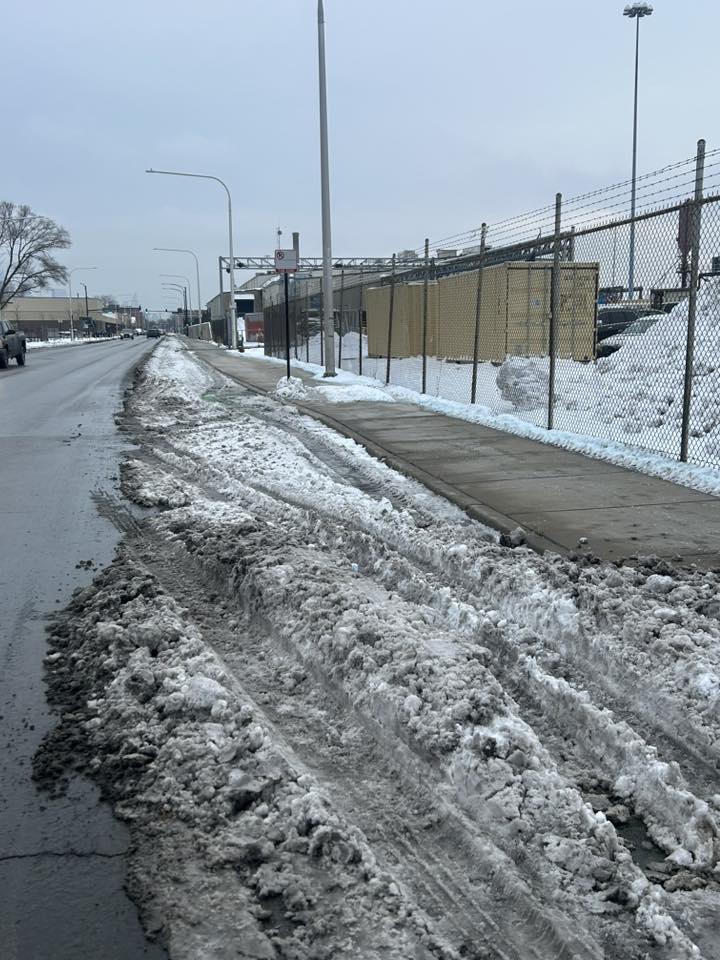
However, a bike lane that’s separated from moving traffic by a physical barrier, but is so clogged with snow (or water, or debris) that you can’t ride in, is also not protection. As I discussed on Tuesday, bike riders were smacking their darn heads over the state of PBLs long after last weekend’s snowstorm. The obstructions forced them to abandon the bikeways and share already-plowed mixed-traffic lanes with motorists.
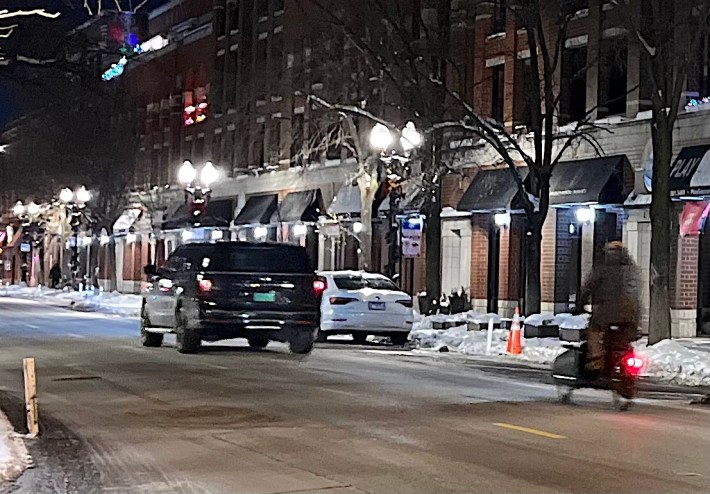
Some people who bike understandably bemoaned the situation on our Facebook post this morning, a couple days after the storm ended. Many protected lanes were still less suitable for cycling than cross-country skiing.
“I love the bike lanes, but with snow and ice, it’s actually more hazardous for us because we must ride further into the street,” posted transit worker Eric Basir (You’ll read more from him on SBC in the near future.) “No bike this week for me. Just CTA bus and trains.”
“I normally bike year round, but learned my lesson last year with the bike lanes not being clear and then cars getting aggressive when I was forced onto the street,” added Katie Zane.
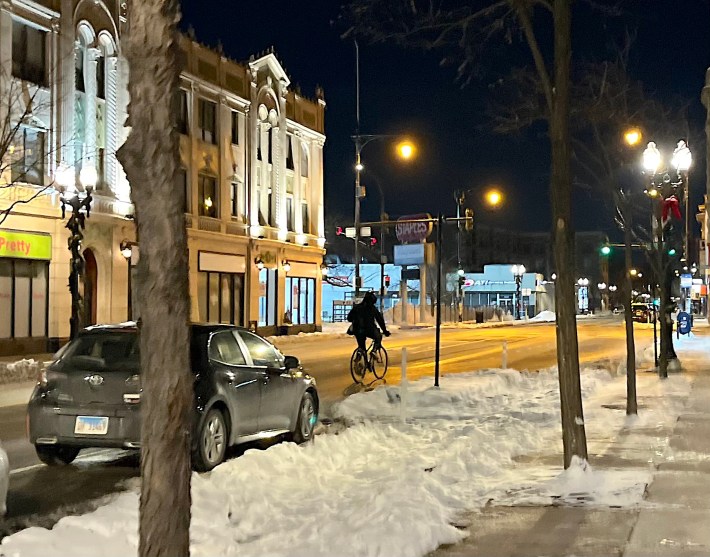
“Thank God I’ve got fat tires,” said Lloyd Peters, philosophically.
As you’d expect, there was also some general griping about PBLs from motorists, along with schadenfreude about bikeways being hopelessly blocked while driver-friendly lanes were already bone dry. But some had legitimate concerns. “This is forcing bicyclists to ride in the ‘car lane,’ endangering car drivers [as well],” noted one motorist. “So wrong.”
But our motto at Streetsblog is, “If you want to change the world, shut your mouth and start this minute.” So I reached out to the Chicago Department of Transportation, which is in charge of building and maintaining protected lanes, in an effort to tame the abominable snow menace.
“Can CDOT provide a statement to explain the current PBL clearance protocols, and confirm that the department is addressing this issue?” I wrote. “That would help reassure bike riders who advocate for them, as well as drivers who may be annoyed that lanes that have been converted from parking to PBLs aren’t even usable by cyclists.”
Assistant Commissioner Bill Higgins, who handles intergovernmental affairs, fielded the question. “In-House Construction at CDOT is responsible for managing snow removal across the city’s approximately 70 miles of protected bike lanes,” he wrote. “Please note CDOT only plows [protected lanes].” He indicated that the Department of Streets and Sanitation, which plows mixed-traffic lanes, is also responsible for the clearing non-protected, paint-only lanes next to the “car lanes.”
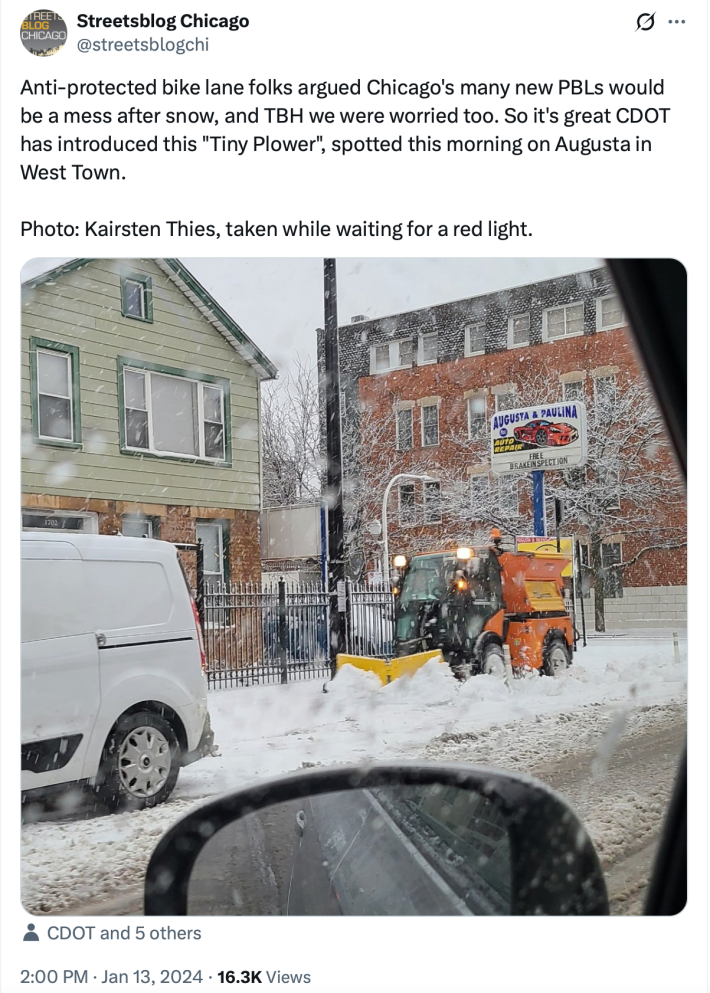
“During snow events, CDOT coordinates to ensure that bike lane and bridge snow removal is conducted efficiently,” Higgins added. “Crews have been deployed across the city since Monday morning and are rotating through designated routes as quickly as possible. In some cases, specialized equipment or manual shoveling is required, which can add complexity and time to the process as well as a high volume of snowfall in a short time, such as the eight-to-ten inches that fell over the weekend.”
In fairness to CDOT, that reportedly included the snowiest November day in our city’s history.
“One of the ongoing challenges is not just plowing the snow, but removing it entirely,” the assistant commissioner continued. “Snow cannot be pushed back into the street or onto sidewalks, so relocating it safely and systematically takes time – especially during continuous snowfall.”
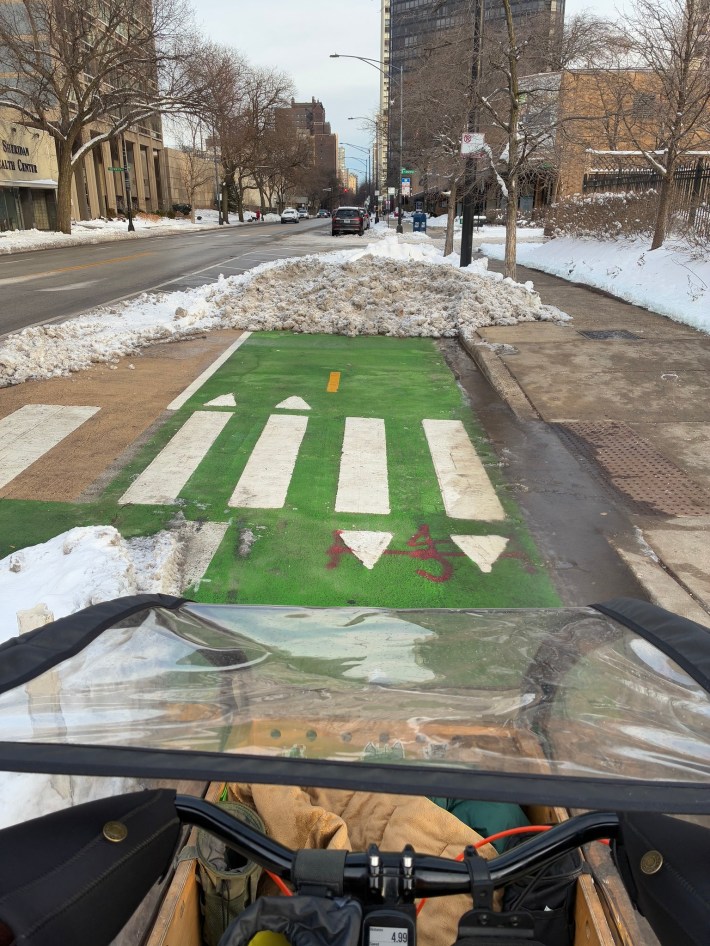
“As we continue to address these challenges, we also want to remind the public that shoveling snow from sidewalks into bike lanes is prohibited, as it creates additional hazards and delays,” Higgins said. “Residents are encouraged to report bike lanes in need of attention through the City’s 311 system. However, as noted, CDOT crews are actively working through the network and addressing requests as quickly as conditions allow.”
“We understand the frustration that winter conditions can cause for people who rely on biking as a safe and sustainable mode of transportation,” Higgins concluded. “CDOT remains committed to maintaining access and safety for all road users, and we appreciate the public’s patience as our teams work diligently to clear the network under challenging conditions.”
I shared Higgins message with the Active Transportation Alliance. “We have heard a fair number of complaints from people biking about the protected bike lanes not being cleared after the recent snowfall,” responded Advocacy Manager Alex Perez. “This situation forces people to ride on the street or on the sidewalk. The icy conditions on the bike lanes and sidewalks make it unsafe with the potential of falling and hurting themselves when walking, biking, or on a scooter.”
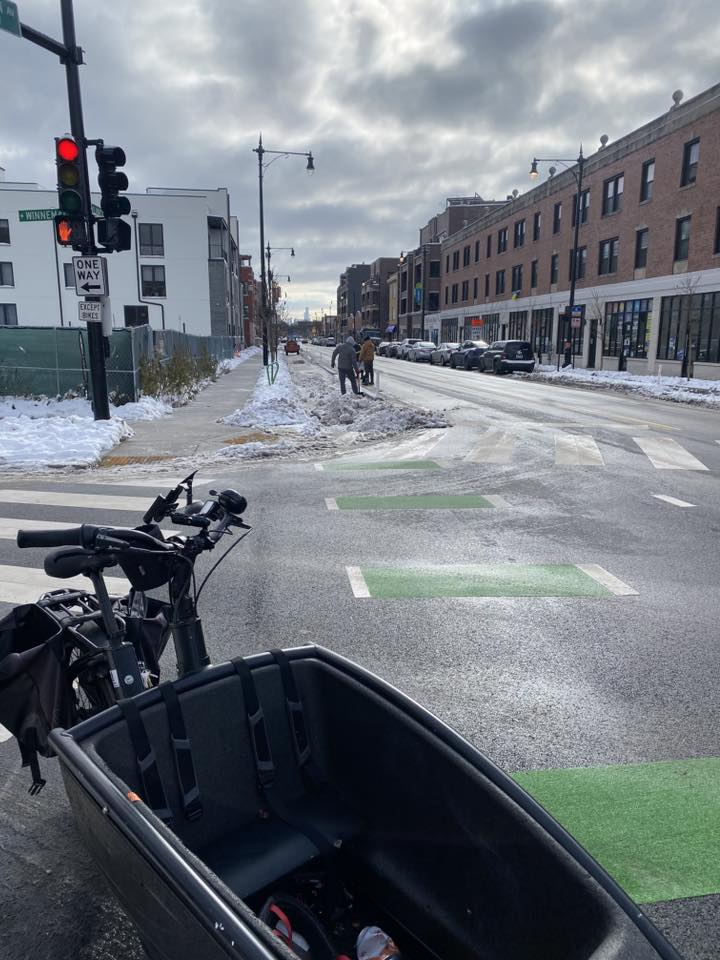
My POV? Maybe we should give CDOT the benefit of the doubt that they’ve been doing their best to cover the 70 miles of PBLs scattered around the city.
On the other hand, it certainly can’t hurt matters for there to be a constant drumbeat of input to the department (Click “Contact Us” here) that lots of people really do ride all year in Chicago, and this is a crucial issue for them. Moreover, the more protected bike lanes there are, and the better they look during the colder months, the more residents will try all-season cycling and realize it’s a lot easier than it looks.
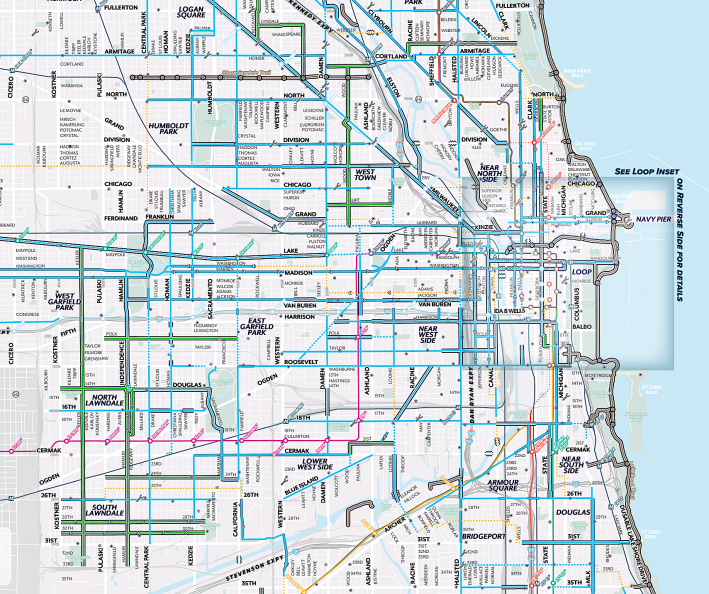
Another thing that would make it easier to determine which protected lanes really need to be prioritized for snow clearance, and win more support for doing so, is for CDOT to focus on building multi-mile, non-stop PBL corridors. If you look at the CDOT bike map below, the protected lanes, shown in blue with black outlines, are mostly snippets of a mile or two. Even in the best of conditions, they don’t provide an extended “low-stress” route.
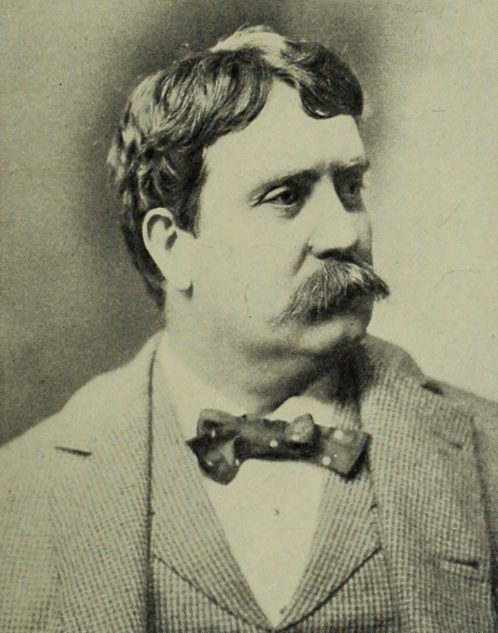
When it comes to building protected lanes, the City should, in the words of legendary Chicago architect and urban designer Daniel Burnham, “Make no little plans.” For example, CDOT is currently installing 0.8 mile of PBLs on Clark Street between Winnemac and Montrose avenues in Uptown. Instead, say next year, Mayor Brandon Johnson should announce, “This is the year we’re making all of Clark a low-stress route, about 12 miles between Chinatown and Evanston.” Do the same thing with a grid and clock face of other major, potentially bike-friendly corridors within a short period of time, Paris-style.
Not only will long, continuous protected bike lane corridors be an obvious and straightforward plowing priority. There will also be a much larger constituency of all-season cyclists and e-scooter riders, calling for their routes to get at least as prompt attention after a snowstorm as drivers’ lanes do.

On November 12, SBC launched our 2026 fund drive to raise $50K through ad sales and donations. That will complete next year’s budget, at a time when it’s tough to find grant money. Big thanks to all the readers who have chipped in so far to help keep this site rolling all next year! Currently, we’re at $4,685, with $45,315 to go, ideally by the end of February.
If you value our livable streets reporting and advocacy, please consider making a tax-exempt end-of-year gift here. If you can afford a contribution of $100 or more, think of it as a subscription. That will help keep the site paywall-free for people on tighter budgets, as well as decision-makers. Thanks for your support!
– John Greenfield, editor

Read More:
Streetsblog has migrated to a new comment system. New commenters can register directly in the comments section of any article. Returning commenters: your previous comments and display name have been preserved, but you'll need to reclaim your account by clicking "Forgot your password?" on the sign-in form, entering your email, and following the verification link to set a new password — this is required because passwords could not be carried over during the migration. For questions, contact tips@streetsblog.org.