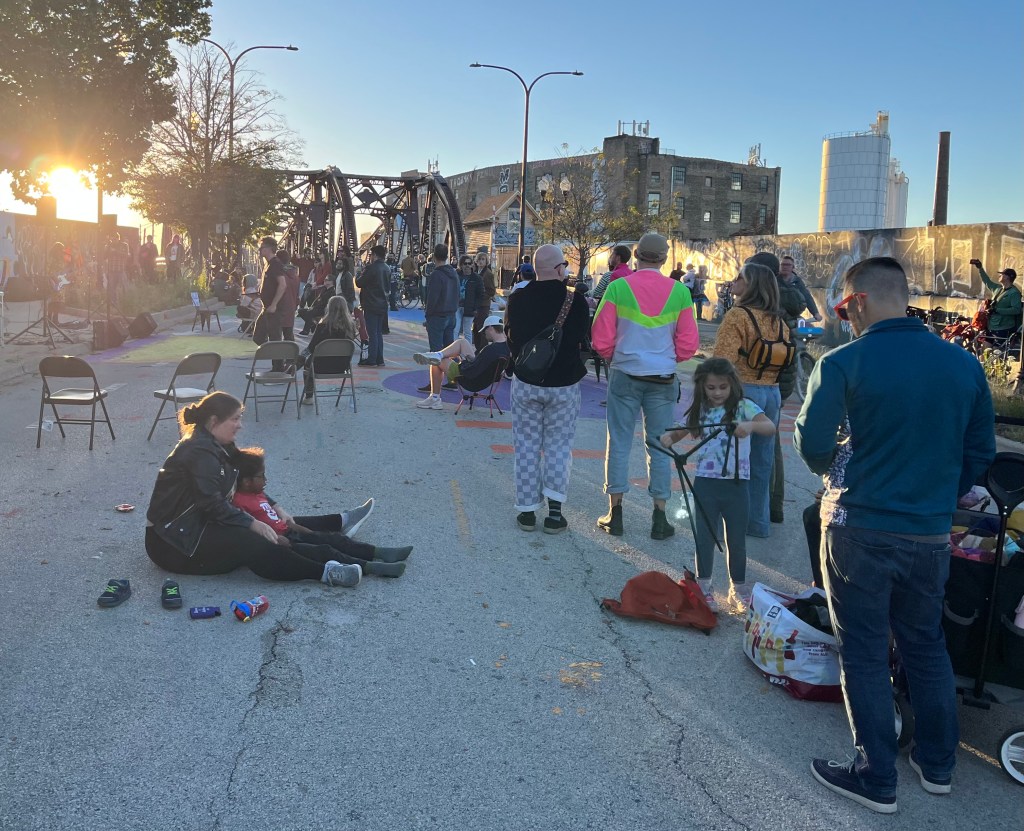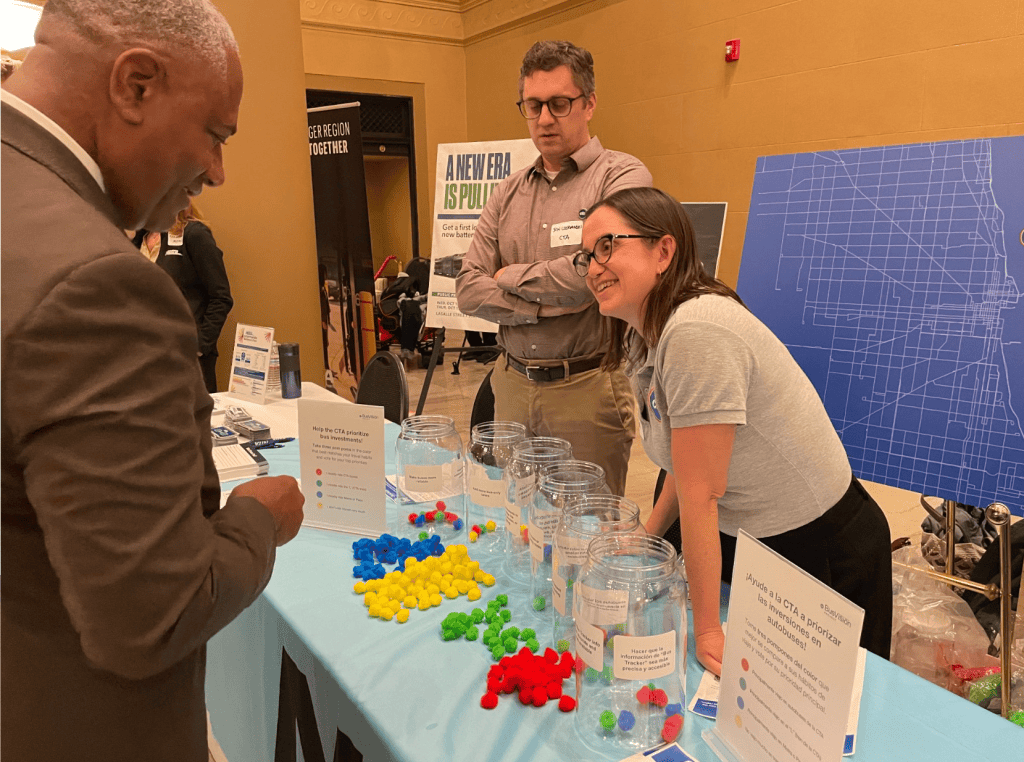
Advocates gathered to honor Rosa Parks on Transit Equity Day, and rode part of the proposed Western Avenue bus rapid transit route

All photos are by James Porter.
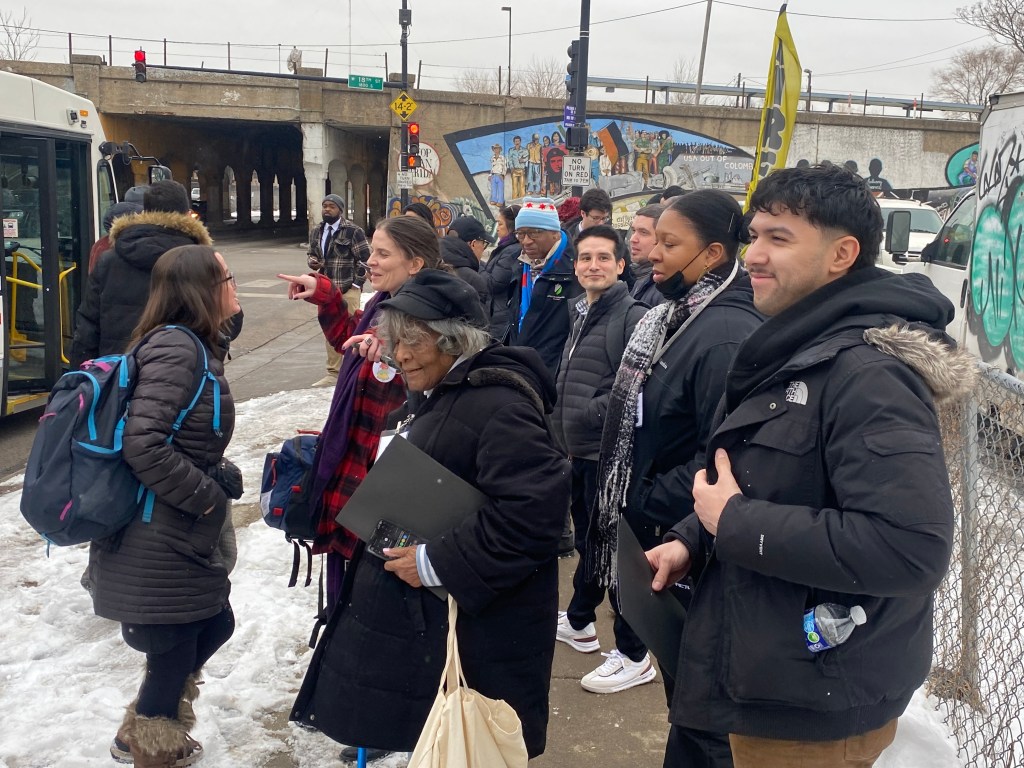
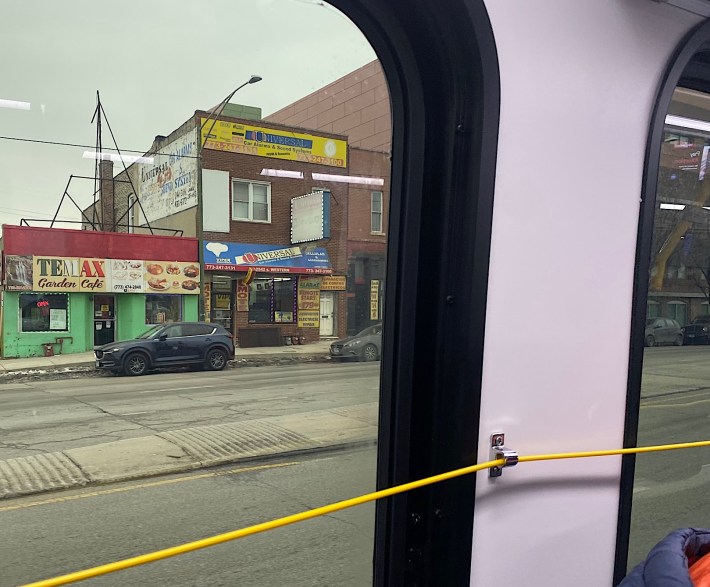
Earlier this week, Chicagoland sustainable transportation advocacy movers and shakers celebrated the legacy of civil rights icon Rosa Parks with a Transit Equity Day Western Bus Corridor Charrette and Ride-Along. The event started at the Chicago Park District Headquarters, 4830 South Western Ave., and included a ride on the CTA’s #49 Western bus from the nearby Orange Line station to the Metra BSNF Line stop to the north and back.
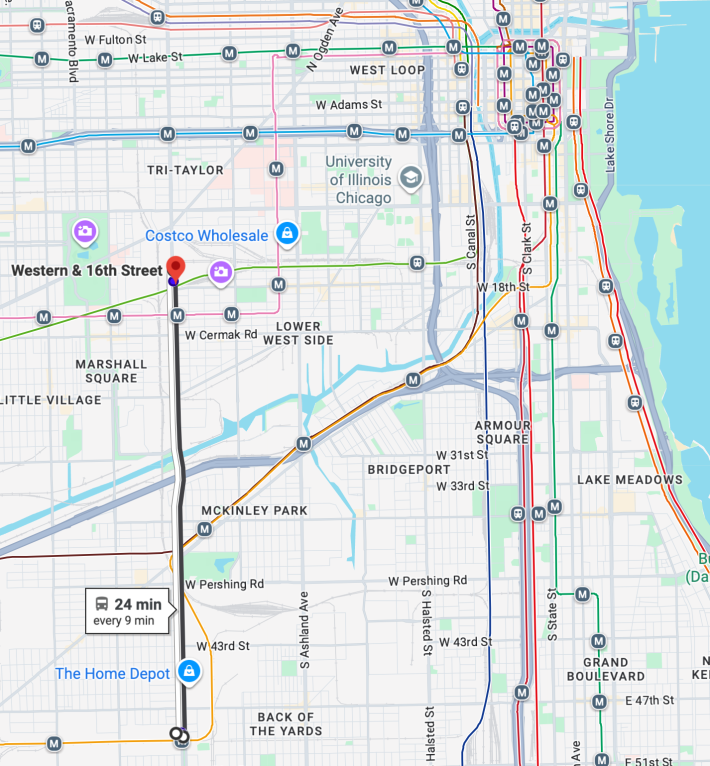
“Western Ave is frequently cited as a prime candidate for upgrading its service, perhaps to the level of bus rapid transit,” the Active Transportation Alliance invitation to the gathering explained. “Passage of the Northern Illinois Transportation Authority [act] presents an excellent opportunity to keep the momentum on an idea many voices have coalesced.”
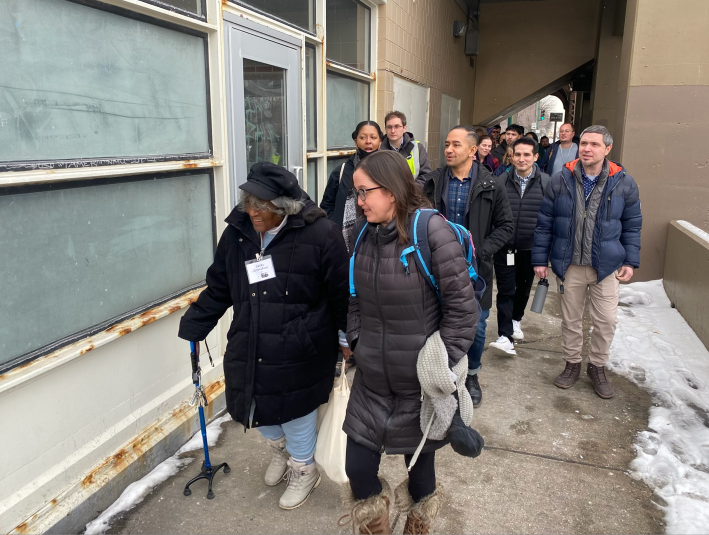
“Improved service increases equity,” the invite added. “This year’s national Transit Equity Day theme ‘A bench to sit on’ is a reminder that pedestrian access to bus stops is as important as service frequency and speed. During the Ride-Along we will informally survey benches and shelters along the route.”
The presentation at the park district HQ was moderated by ATA Campaign Organizer W. Robert Schultz III, who said the speakers all had unique takes on what makes the CTA a “holistic transportation system.”
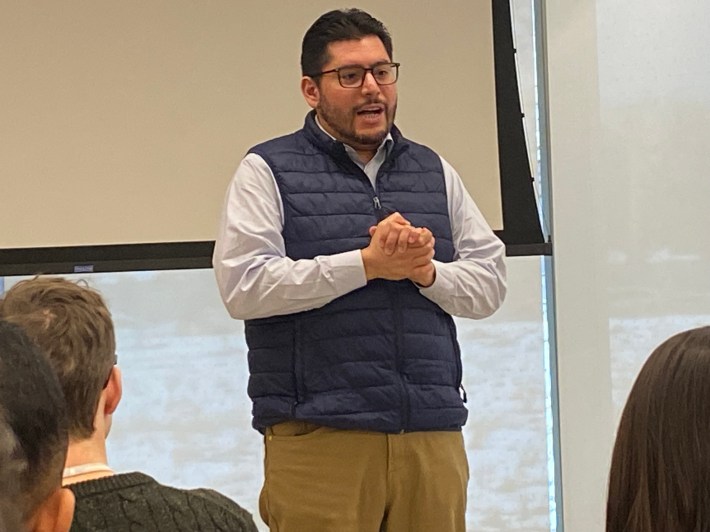
Chicago Park District Superintendent Carlos Ramirez-Rosa, formerly the 35th Ward alderperson, said “Equity needs to be at the core of everything that we do.” He added, “We believe that in this moment, where we have a president and a federal administration that is waging war on diversity, equity and inclusion, at the local level, it’s so critically important that we continue to move in the opposite direction. He said that the very thing that Trump seeks to abolish “is in the DNA of our parks.”
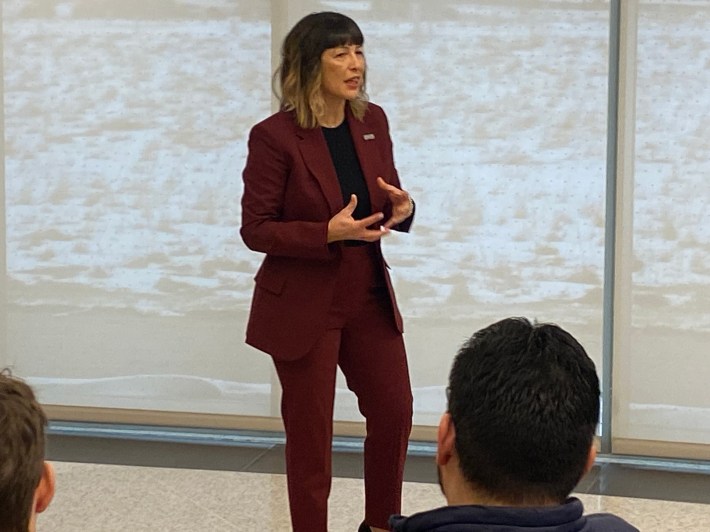
State Rep. Eva-Dina Delgado, was one of the architects of the NITA bill that passed last Halloween. On Transit Equity Day, she noted that transit funding has been an ongoing problem, but “this time around…I didn’t feel like we had to sell people on what’s important about transit.” She added, “People understood and knew that that was something we had to invest in. The goal this time around was not just to fill the hole, but to do a really transformative investment, so that we could see what we really want in our communities. The people who live here are deserving of the best. We want our transit system to reflect that.”
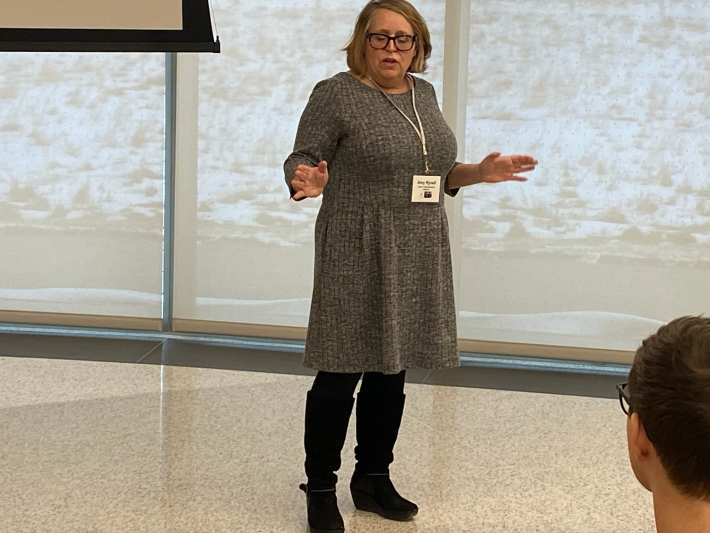
ATA Executive Director Amy Rynell noted that CTA bus trips have gotten longer during the last twenty-odd years, due to “car-centric designs” that have negatively impacted speed. Ironically referencing the slogan of the transit-hostile U.S. president, Rynell said “we need to make buses sexy again.” She added that taking the entire route of a bus line is a good way to appreciate Chicago’s diversity.
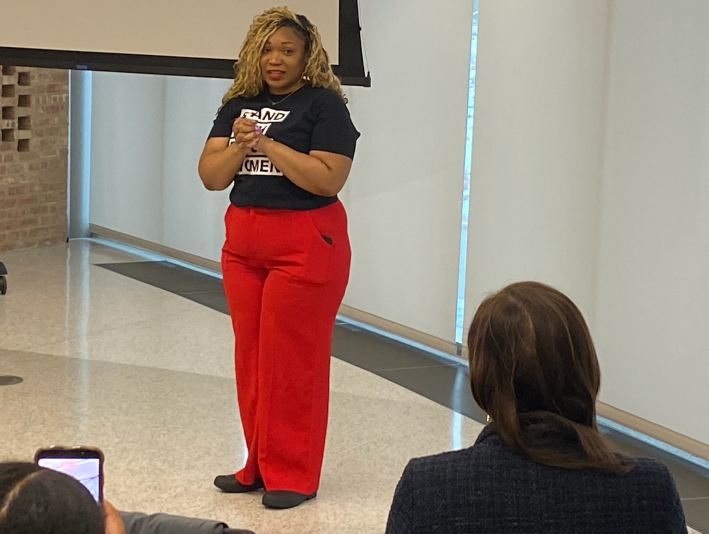
Center for Neighborhood Technology CEO Nina Idemudia shared that taking the bus every day to a school in the Detroit suburbs inspired her to be an urban planner. “Those who have experienced broken systems should be at the table fixing them,” she said.
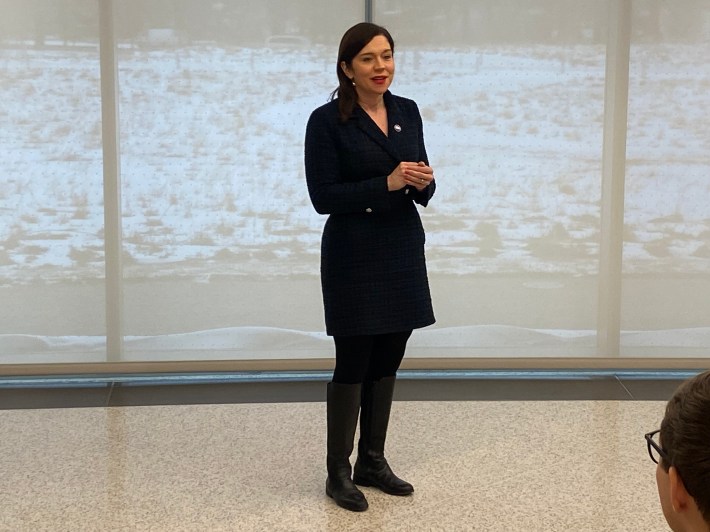
CTA Acting President Nora Leershen asserted that “You can change your bus system very easily, and overnight – you can add service. ” She added, “Your rail system is more restricted, obviously, but your bus system shows your commitment to your community,” arguing that recently added bus service has been “transformational.”
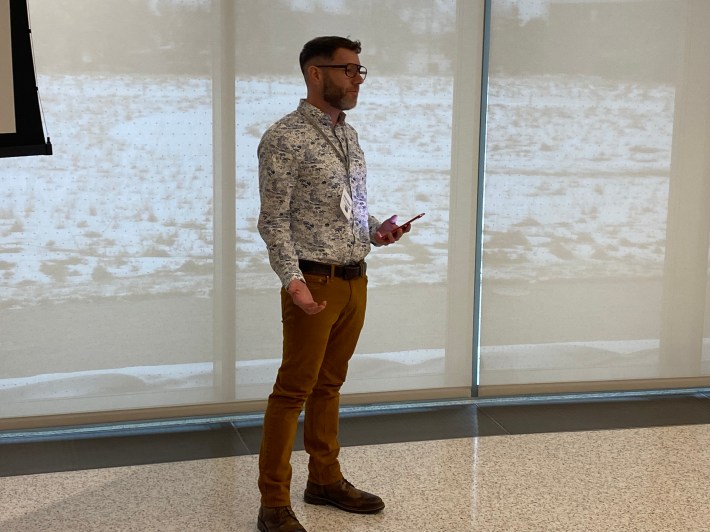
Before attendees boarded the bus, CTA Senior Manager of Strategic Planning Jason Meter asked them to pay attention to “places where buses are delayed by congestion or pedestrian access, and bus stop facilities are lacking.” He also suggested keeping an on roadway space, as well as limitations of environment.
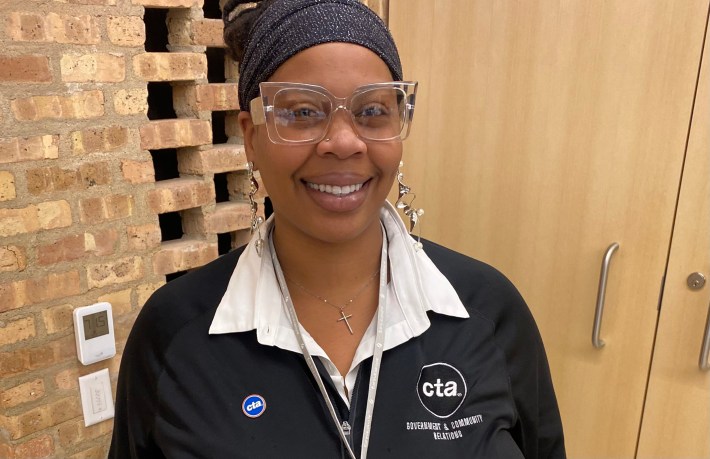
“For a city that wasn’t built to be walkable – it was built to be car-centered [in the 20th Century] the things that we’re able to do with public transit specifically are amazing,” CTA Project Coordinator for Equity & Engagement Tyler James told Streetsblog. She added that the system “is a testament to the collaborative effort that it’s going to take for us, as not only a city, but as a state, to streamline that kind of transportation that we’d like to have.”

On November 12, SBC launched our 2026 fund drive to raise $50K through ad sales and donations. That will complete next year’s budget, at a time when it’s tough to find grant money. Big thanks to all the readers who have chipped in so far to help keep this site rolling all next year! Currently, we’re at $20,542 with $29,458 to go, ideally by the end of February.
If you value our livable streets reporting and advocacy, please consider making a tax-exempt gift here. If you can afford a contribution of $100 or more, think of it as a subscription. That will help keep the site paywall-free for people on tighter budgets, as well as decision-makers. Thanks for your support!
– John Greenfield, editor

Streetsblog has migrated to a new comment system. New commenters can register directly in the comments section of any article. Returning commenters: your previous comments and display name have been preserved, but you'll need to reclaim your account by clicking "Forgot your password?" on the sign-in form, entering your email, and following the verification link to set a new password — this is required because passwords could not be carried over during the migration. For questions, contact tips@streetsblog.org.