Uber Eats driver: City pricing and managing curb space, and companies being transparent about pay, could make streets safer, more efficient
By Jeremy Wolff
Last week, Ald. La Spata’s (1st) proposal to allow citizens to report commercial vehicles illegally parked in bus lanes, bus stops, and bikeways, was defeated in City Council by a 31-to-18 vote.

Today I heard from Jeremy Wolff, a delivery driver who floated some other ideas to encourage legal parking and safe driving, as well as to improve conditions for delivery workers. I thought Streetsblog Chicago readers might be interested his view from the other side of the windshield, since he also seems to also understand the need for improving conditions for walk/bike/transit.
Jeremy is a Chicago native who drives for Uber Eats. His entrepreneurial projects have included building an indoor playground in Avondale called Playbound, which eventually became Wonderplay. Folow him on Twitter at Urban Wolf.
– John Greenfield, editor
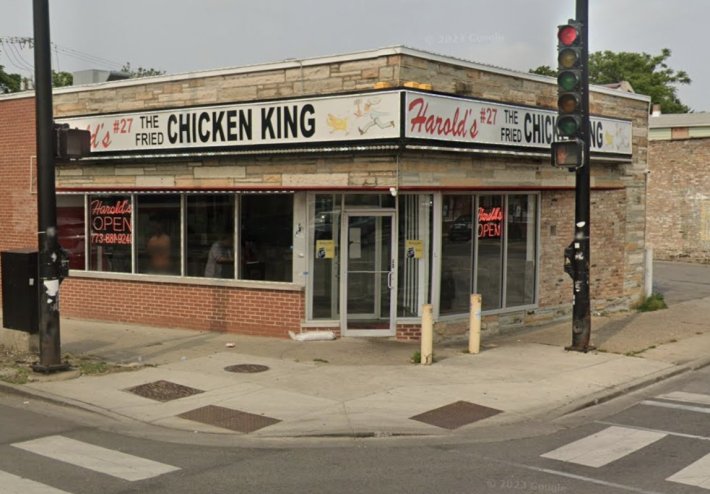
I began a recent Uber Eats shift, one of thousands over many years, with a pickup at Harold’s Chicken. On the wall was a familiar sign: “Live, laugh, love.” It encouraged peace and kindness. It set a positive tone for the day.
While I started calm, the day quickly became stressful. I now earn about $21 an hour with tips, down from three years ago as Uber increased its share of each order. To maintain the same income, I have to complete more trips per hour, which means moving faster and parking quicker.
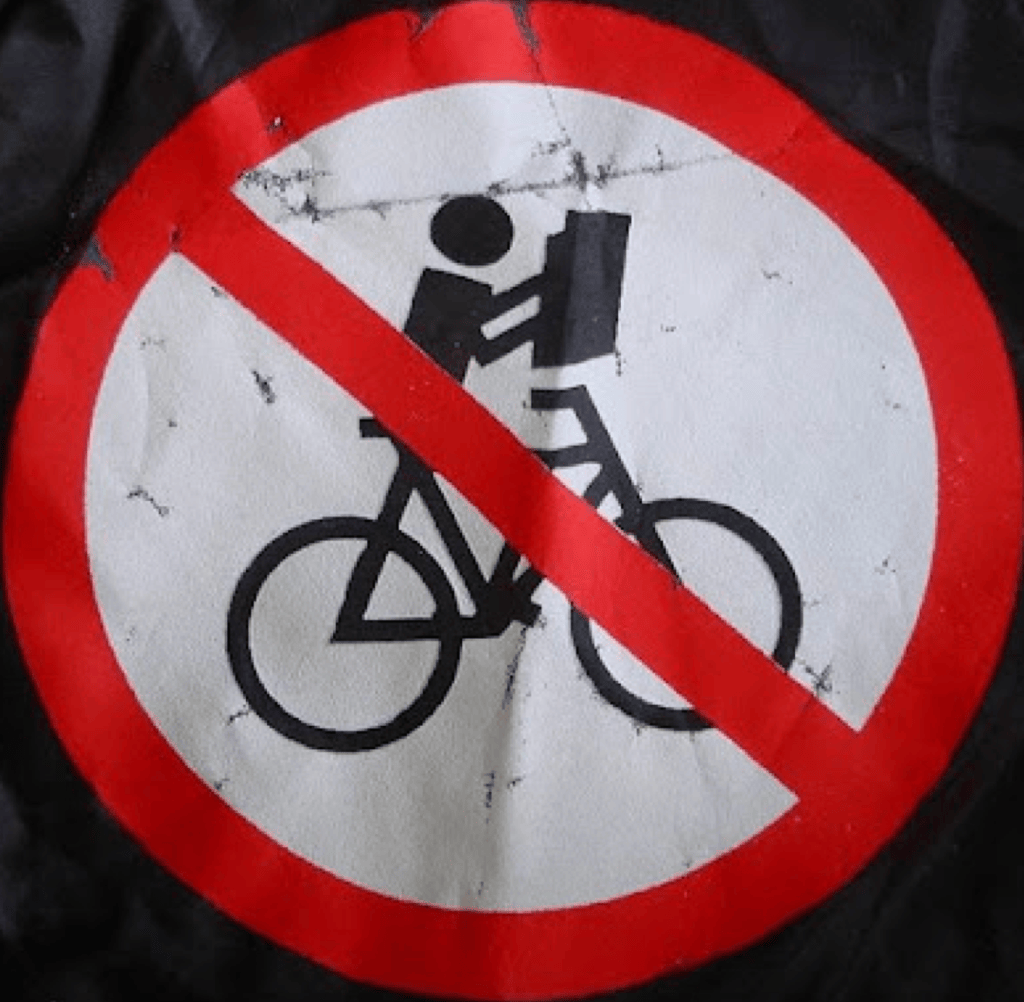
The incentive structure rewards speed and volume. Most trips pay about six dollars, roughly three dollars in base pay and three dollars in tips. Completing four trips per hour instead of three raises earnings from$18 to $24. Drivers compete in real time. Someone who can complete trips faster can accept slightly lower-paying offers, leaving slower, law-abiding drivers unable to take them. The system encourages illegal parking, rolling stop signs, pushing yellow lights, and not yielding at crosswalks.
Pay transparency is a core problem that impacts road safety. Pings display only a single dollar amount, without showing the breakdown between base fare and tip, and high tips are partially hidden. Because roughly half of earnings come from tips, drivers must guess which trips will pay well. This guessing consumes mental energy and distracts drivers. Customers who leave large tips are usually trying to reward effort, but by obscuring those tips and gradually raising low base offers until a driver accepts, Uber distorts that intention, and generous or cash-tip orders are often declined or delayed. Vague delivery instructions, restaurant delays, and simultaneous orders add to the pressure, forcing drivers to divert attention to logistics and away from the road.
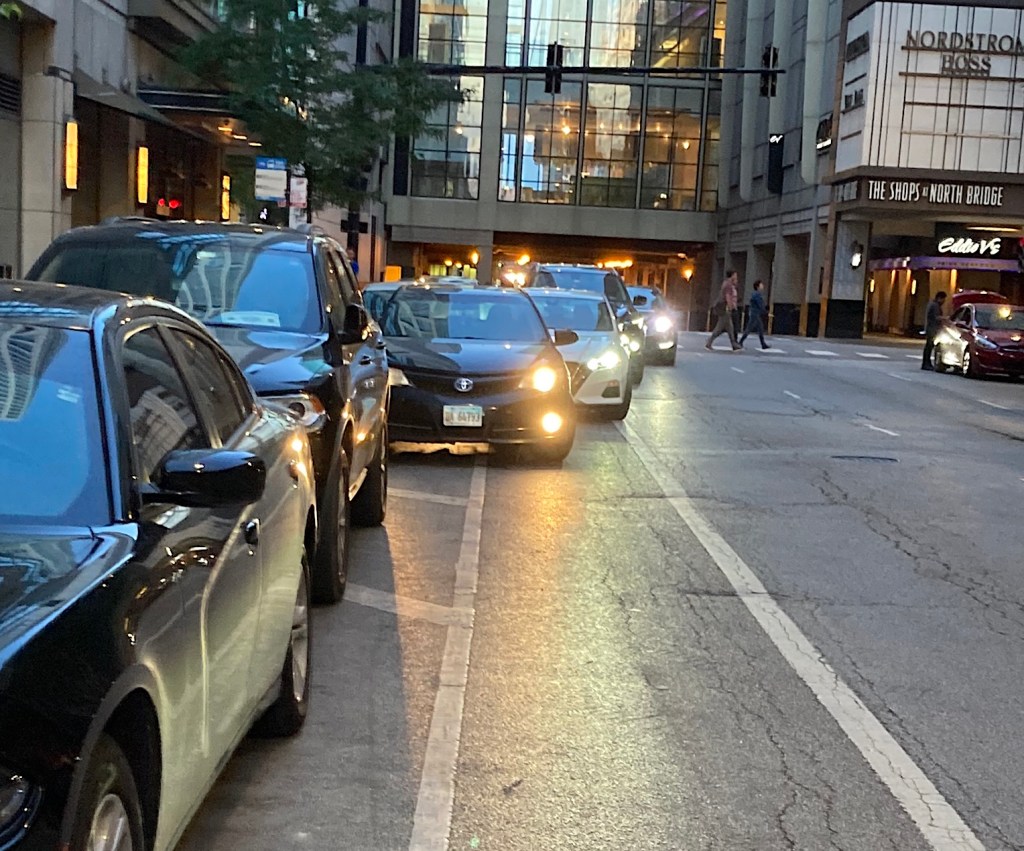
Parking is the most persistent stressor. Drivers often park illegally because there is nowhere designated to load. We try to choose the least disruptive space, but tickets and towing remain constant risks. A driver’s car is their livelihood, and for some, temporary shelter, so losing it can eliminate income entirely. Most drivers avoid parking in bike lanes, bus lanes, and bus stops, and double-parking in mixed-traffic lanes, but limited curb space leaves few legal options. Many wind up illegally parking in front of fire hydrants, or unlawfully blocking sight lines at corners.
The Chicago Department of Transportation has signed the latter areas are “No Parking,” a practice known as daylighting, because it makes it easier for road users to see each other. When drivers illegally park in these spaces, that increases the risk of crashes, especially motorists striking people walking across the street. CDOT has installed sidewalk bump-outs to prevent illegal corner parking, but that does not solve the underlying problem: There is often nowhere else for delivery vehicles to load and unload.
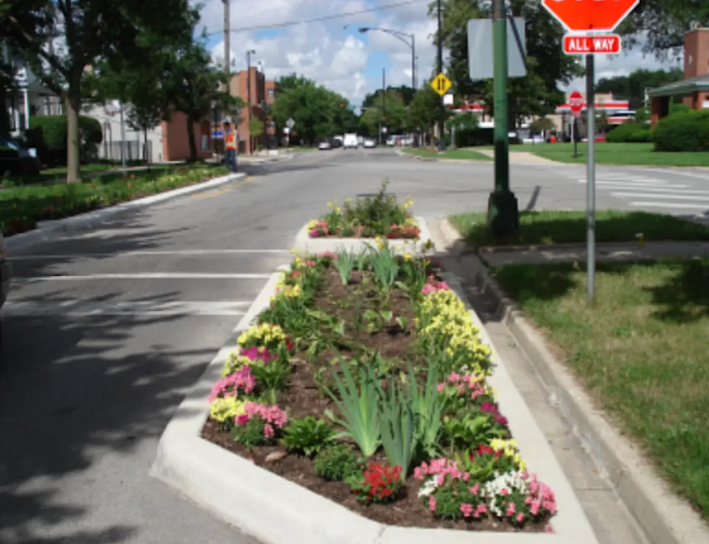
Independent delivery workers and FedEx, UPS, and ride-hail drivers compete for limited curb space, and crashes or near-misses from blocked corners impose costs on the public. There is no free lunch: The public pays the true cost of deliveries in crashes and more stressful streets.
The solution is straightforward. The City could price and manage curb space. If Chicago charged a fee per Uber delivery, for example, $1, the cost of safe parking would be internalized rather than subsidized by illegal behavior. [References to “Uber” from here on would apply to other delivery companies as well.] Revenue from per-delivery fees could fund block-level improvements such as fixing potholes, adding benches for people waiting for rides or deliveries, improving lighting, and other small enhancements that make streets safer and more functional. Imagine a system where blocks dynamically allocate space for residential parking, commercial loading, and delivery zones based on demand and price. Consumers who value convenience would pay slightly more, allowing Uber to cover curb fees; if not, demand would fall, easing pressure on street parking. Over time, the system would signal how much space each use deserves.
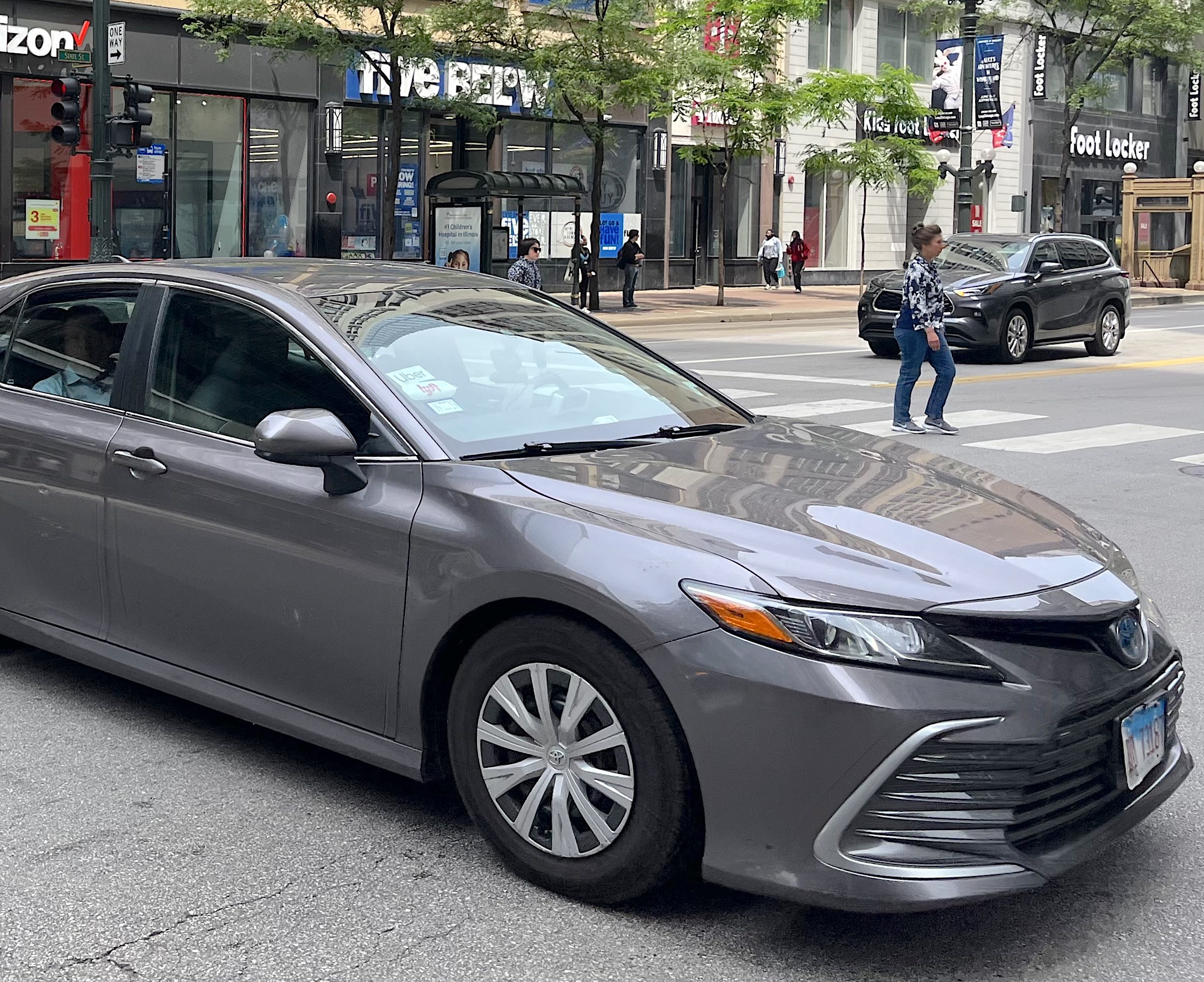
Some drivers may still park illegally to get an edge. In this case, fining drivers, fining Uber, or residents reporting scofflaws directly to Uber, which could result in the violators being removed from the platform, may stop the most egregious violators. This would require the City to reconsider how it tickets drivers or fines companies, as the current system doesn’t stop the bad behavior. If the City did increase fines and Uber lost drivers over it, the company might be forced to increase pay, which would enably drivers to spend more time parking legally and safely. And if customers want faster, cheaper deliveries, they would have to accept more loading zones.
Chicago can reduce conflicts and improve safety by expanding loading zones, implementing per-delivery curb fees, and fining companies when their drivers park illegally. The goal is not to eliminate delivery work. I enjoy delivering food and the view of city life I experience while working. I have participated in Uber Crew events, submitted app improvement requests, and contacted alderpersons. Drivers want the system to function better. I want to drive the speed limit, stop fully at stop signs, and park legally. Currently, obscured tips, low base pay, and unmanaged curb space force drivers to take unsafe shortcuts just to earn $18 an hour. Most drivers are not seeking wealth, are but simply trying to stay afloat.
A modest policy shift in tip transparency, clearer delivery instructions, and rational curb pricing would make deliveries safer and more predictable for drivers, customers, and all Chicagoans sharing the street. We could live closer to that simple sign on the Harold’s Chicken wall: with more peace, and a little less stress.

On November 12, SBC launched our 2026 fund drive to raise $50K through ad sales and donations. That will complete next year’s budget, at a time when it’s tough to find grant money. Big thanks to all the readers who have chipped in so far to help keep this site rolling all next year! Currently, we’re at $22,502 with $27,498 to go, ideally by the end of March.
If you value our livable streets reporting and advocacy, please consider making a tax-exempt gift here. If you can afford a contribution of $100 or more, think of that as a subscription. That will help keep the site paywall-free for people on tighter budgets, as well as decision-makers. Thanks for your support!
– John Greenfield, editor
Streetsblog has migrated to a new comment system. New commenters can register directly in the comments section of any article. Returning commenters: your previous comments and display name have been preserved, but you'll need to reclaim your account by clicking "Forgot your password?" on the sign-in form, entering your email, and following the verification link to set a new password — this is required because passwords could not be carried over during the migration. For questions, contact tips@streetsblog.org.