Two wheels and mutual aid: Cyclingxsolidarity founder discusses how they’ve responded to food insecurity and ICE crackdowns

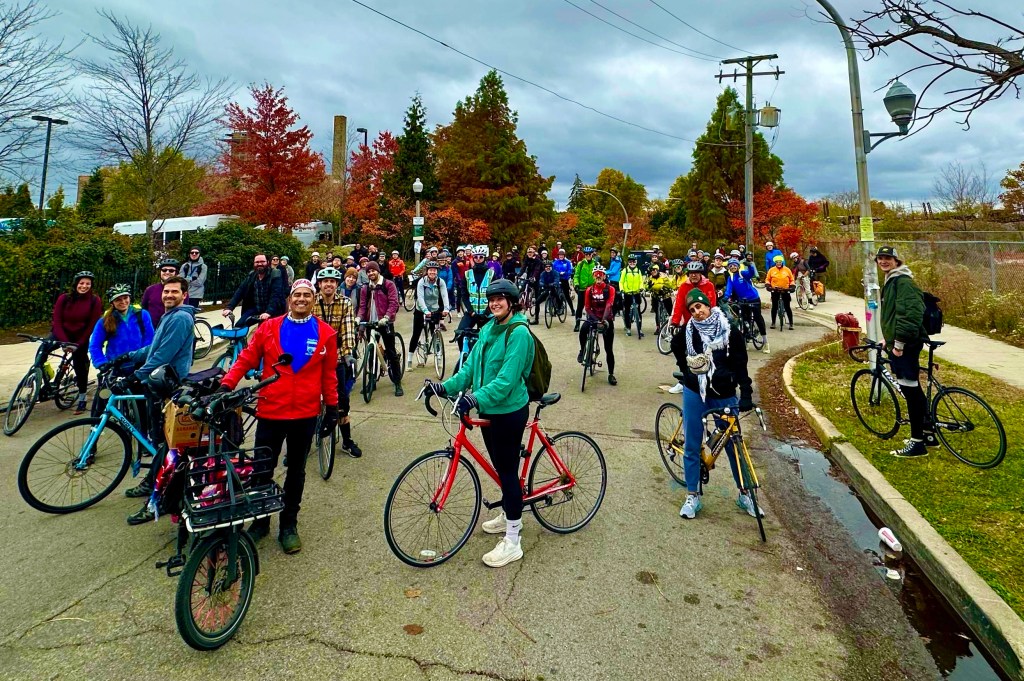
The group Cyclingxsolidarity has been involved with multiple Chicago events many of them involving mutual aid. These have included Bikes and Bonfires (formerly Promontory Pint), Burrito Brigade Chicago, Beyoncé Biké Valét, and Cycles of Support.
Founder Rick Rosales moved to Chicago only five years ago. He, his wife, and their Yorkie got to enjoy two whole weeks in our city before the COVID-19 pandemic forced everyone into lockdown. After using that time to explore different Chicago neighborhoods and develop connections with bike and mutual aid groups, Rosales wanted to combine cycling and community engagement. But after checking multiple social media accounts and websites, he could not find any calendar or hub for bicycle events, so he helped create one.
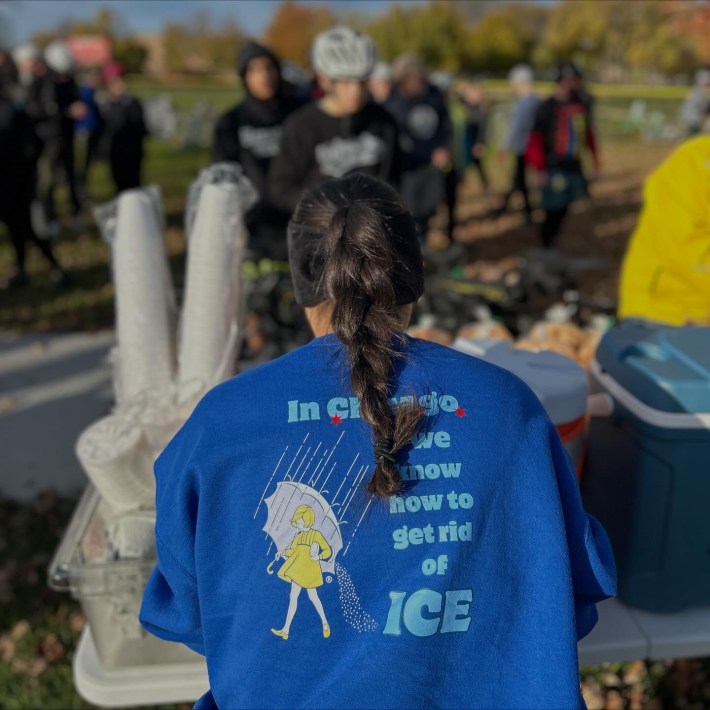
Many of the rides Rosales has organized in Chicago help address issues impacting Black and Latino residents. Notably, he’s led responses to the recent ICE immigration enforcement crackdown that has made some neighbors afraid of being yanked off the streets by armed agents.
During our recent discussion, Rosales discussed how the ICE assaults have been affecting residents, what cyclingxsolidarity has done in response, and how it’s similar to the work they were already doing. The following interview has been edited for clarity and brevity.
Cameron Bolton: How have you seen ICE affect residents’ mobility within Chicago?
Rick Rosales: The way I’ve seen it is mostly through the fear of communities and them being scared to go out, whether that’s getting to their job, picking up their kids up from school, or just fear of going to restaurants to support local businesses. That is what I feel like is widespread, regardless of their physical presence.
CB: What are you and cyclingxsolidarity doing to combat that?
RR: As cyclists as people that are out in the community, we’ve seen street vendors specifically being targeted as cyclists. We’re on bikes, we’re outside, and we see street vendors not only as beloved members of our community but also as some of the most vulnerable, because they have to be outside to earn a living. And so that’s where our role as community organizers, advocates, and caring neighbors comes into play.
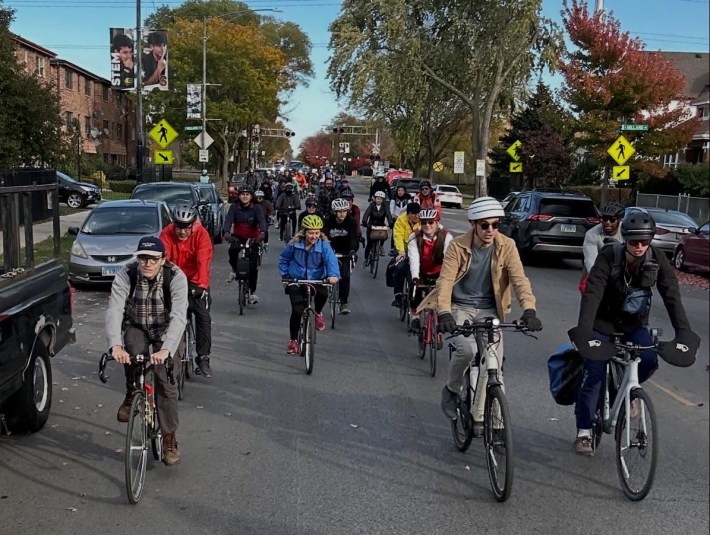
And so we’ve used that community to advocate for them, and one of the ways we do that is by raising funds to buy them out, either initially, to send them home. And then that evolved leading street vendor bike tours, where we rode around to different neighborhoods and supported them with our wonderful partners with the Street Vendors Association. And then lastly, we do home buyouts, which is where vendors are too scared to go out, and so we visit them at home, purchase their product, and then distribute it. All the food that we purchase from the vendors goes out to the community, to folks living outside in encampments, shelters, etc.
CB: So those activities, is that part of like the ICE Patrol Bike Ride?
RR: One of our partner groups started that event, but it didn’t really get any traction. We didn’t continue those, so that’s completely separated. Not something cyclingxsolidarity currently does.
CB: How is the work you’re doing protecting street vendors similar to and different from your work with projects like your Burrito Brigade?
RR: So all of our projects are rooted in community, and that’s a common thread. Burrito Brigade was the most formalized initiative when it comes to mutual aid, and that really taught us how to engage, find folks, and support those experiencing homelessness or in need. So when it came to the mutual aid work we started doing in response to ICE, we had already built those relationships and those habits, so it was a very natural progression into the next phase, the next initiative for our mutual aid efforts.
CB: Is there anything else you’d like to add?
RR: We have a chapter in New York City that is up and running, and we are in talks with other cities throughout the country. So this model of community bike mutual aid is spreading, whether it’s directly related to ICE in their neighborhoods or simply a standalone effort to support street vendors, etc. We’re excited to partner with different individuals and organizations on what we’re doing. We just want to be seen as a force for good on bikes in the community and really just responsive to the community’s needs. So maybe some of these cities don’t have a street vendor population as prominent as Chicago, New York City, or LA might have. Still, they’re certainly got folks experiencing need in their communities, so however they want to respond.

On November 12, SBC launched our 2026 fund drive to raise $50K through ad sales and donations. That will complete next year’s budget, at a time when it’s tough to find grant money. Big thanks to all the readers who have chipped in so far to help keep this site rolling all next year! Currently, we’re at $6,060, with $43,940 to go, ideally by the end of February.
If you value our livable streets reporting and advocacy, please consider making a tax-exempt end-of-year gift here. If you can afford a contribution of $100 or more, think of it as a subscription. That will help keep the site paywall-free for people on tighter budgets, as well as decision-makers. Thanks for your support!
– John Greenfield, editor

Streetsblog has migrated to a new comment system. New commenters can register directly in the comments section of any article. Returning commenters: your previous comments and display name have been preserved, but you'll need to reclaim your account by clicking "Forgot your password?" on the sign-in form, entering your email, and following the verification link to set a new password — this is required because passwords could not be carried over during the migration. For questions, contact tips@streetsblog.org.