Part 2 of the presser with mayoral candidate Susana Mendoza: What are her thoughts on public transportation?


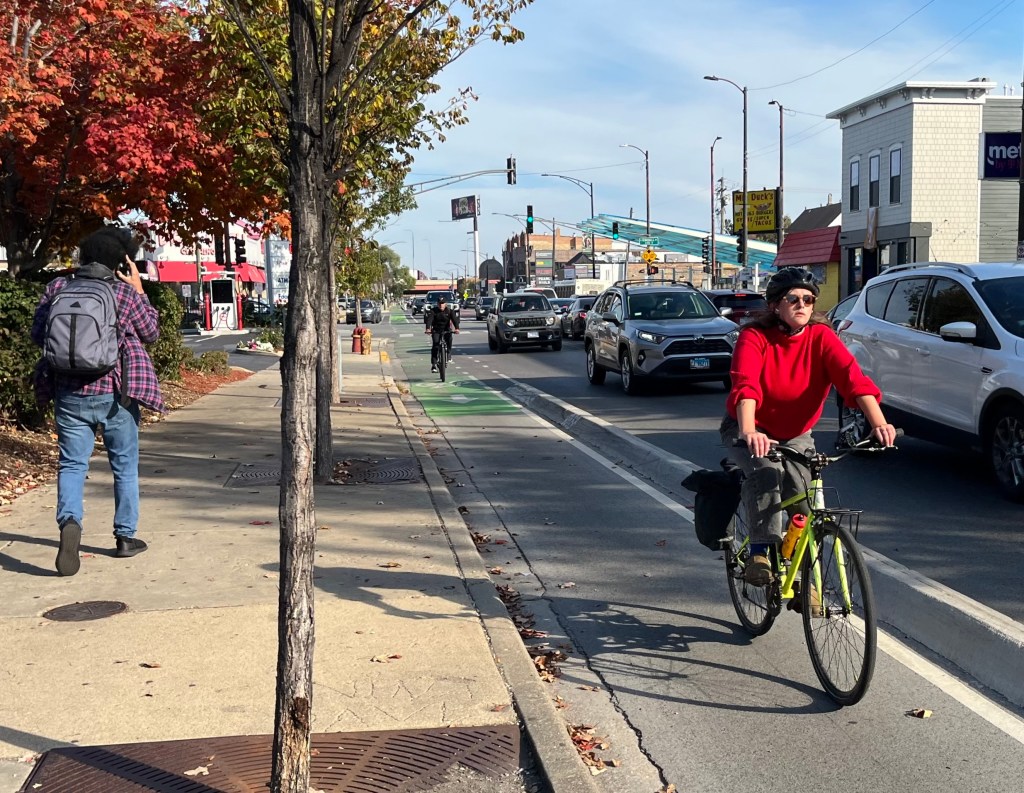
To be honest, my Q & A with mayoral candidate Susana Mendoza about the Archer Avenue traffic safety project, during her press conference last week at City Club of Chicago, was a bit tense.
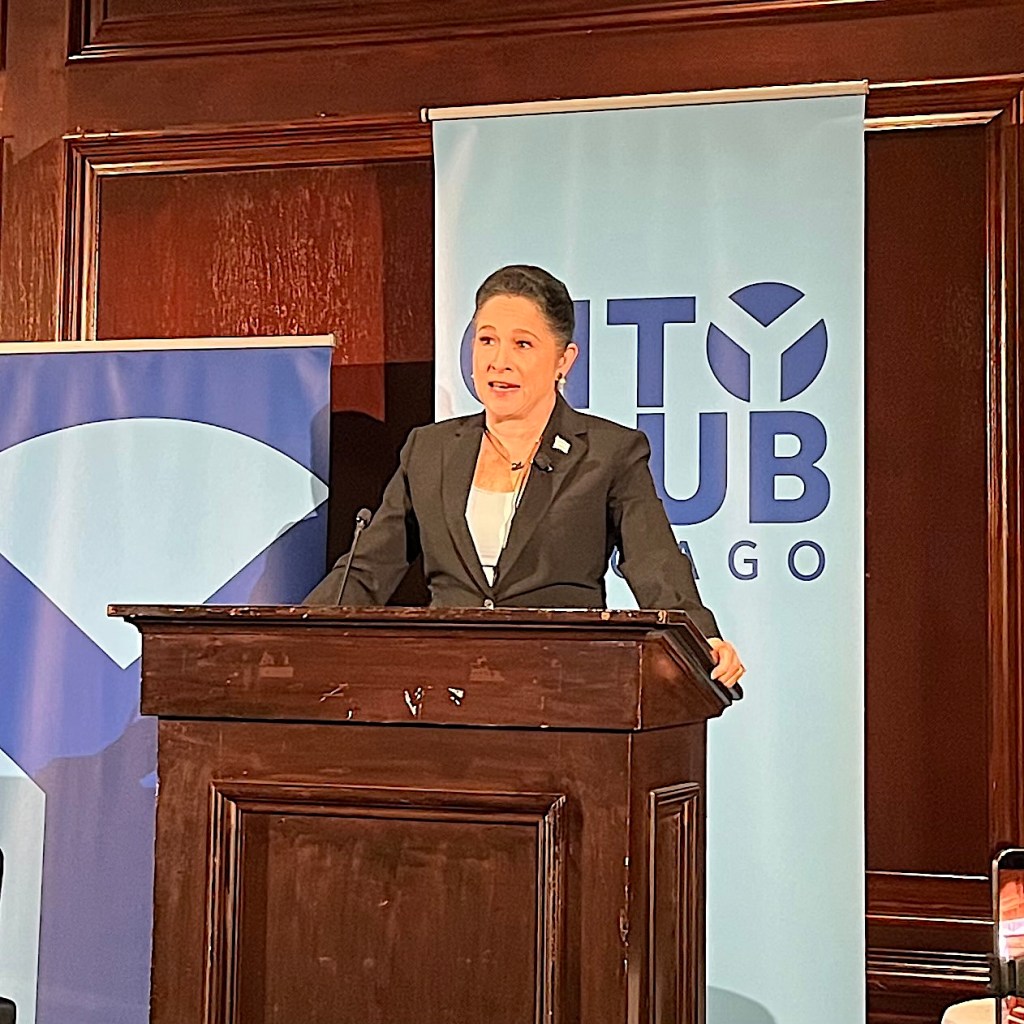
The Illinois Comptroller, a former state rep and City Clerk of Chicago, seemed a bit offended when I asked if her calling the Archer initiative a “debacle” in a WBEZ interview had anything to do with her previous alliance with Juan Rangel. During her time in Springfield, Mendoza helped secure a $98 million grant for UNO charter schools network, of which Rangel was CEO, before the Securities and Exchange Commission charged him with fiscal misconduct.
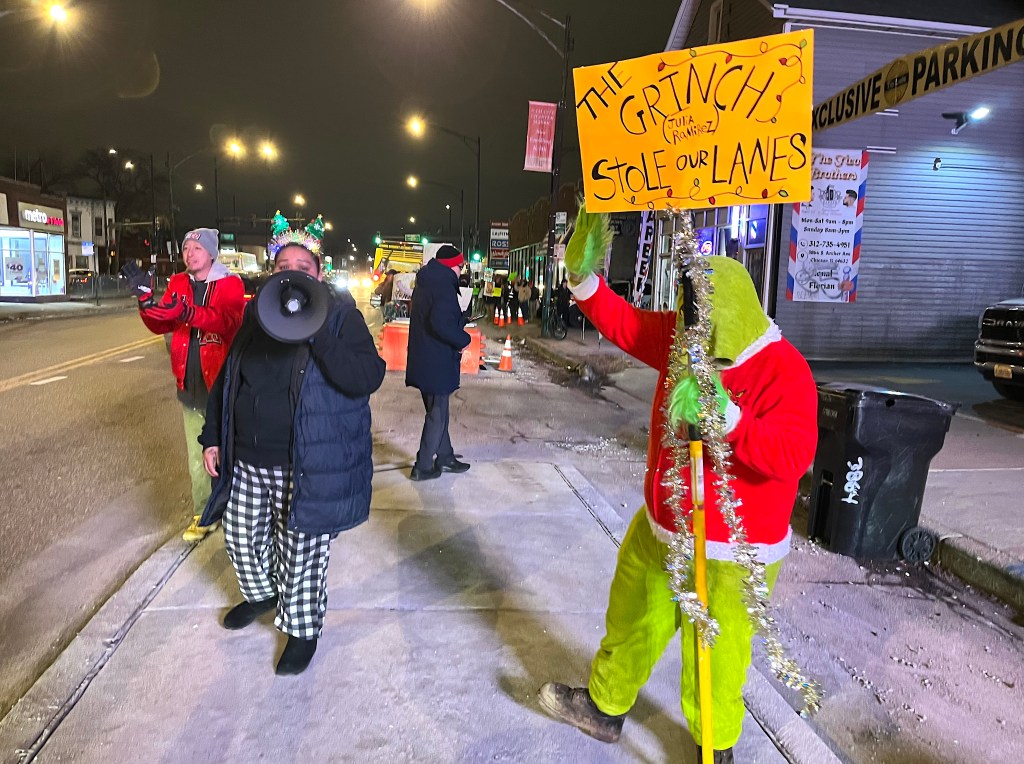
Rangel now leads the “moderate-to-conservative” lobbying group Urban Center, which promoted six months of weekly demonstrations near the office of progressive Ald. Julia Ramirez’s (12th), an Archer project supporter. He eventually admitted, in effect, that the purpose of the rallies was to help frequent protester Claudia Zuno, a family friend, defeat Ramirez in the this February’s election.

At the recent presser, Mendoza implied it was inappropriate for me to ask whether the Trump-friendly lobbyist influenced her word choice about Archer. “No,” she answered. “I had never even spoken to Juan Rangel about this issue. So, number one, people shouldn’t lob allegations that they have zero evidence to be true.”
Now, I really don’t feel that I was guilty of journalistic bomb-throwing here. But when I got a chance for another question, I wanted to turn down the temperature a bit, so I asked something a little more anodyne. I’ve edited the transcript for clarity and brevity.
“Do you have anything to say about what you’d like to do with the CTA, or transit in general?” I said.
“Oh my goodness, there’s so much to say,” she replied. “How much time do we have?”
“When we talk about congestion, we want safer streets,” Mendoza said. “[The other day someone told me] they had to ride their bike downtown, and this is a big business owner, by the way. It’s not like a person who can’t afford a car. And they said, ‘I rode my bike to work today because the congestion is just so bad. Maybe you should think about a congestion tax.‘”
“And my answer to that was, ‘I don’t want to talk about taxes until we show that we’re willing to do the work internally to provide the best return on your dollar as a taxpayer, whether you’re a poor taxpayer or rich one,” she continued. “‘But how about we acknowledge that so many people that I’ve talked to over the course of this year and a half, asking them what their top concerns were, they talked about affordability and they talked about public safety, and both of those are intertwined. Gas is very expensive today, but people are choosing to drive their cars to work or from point A to point B because they don’t feel safe riding to the CTA.”
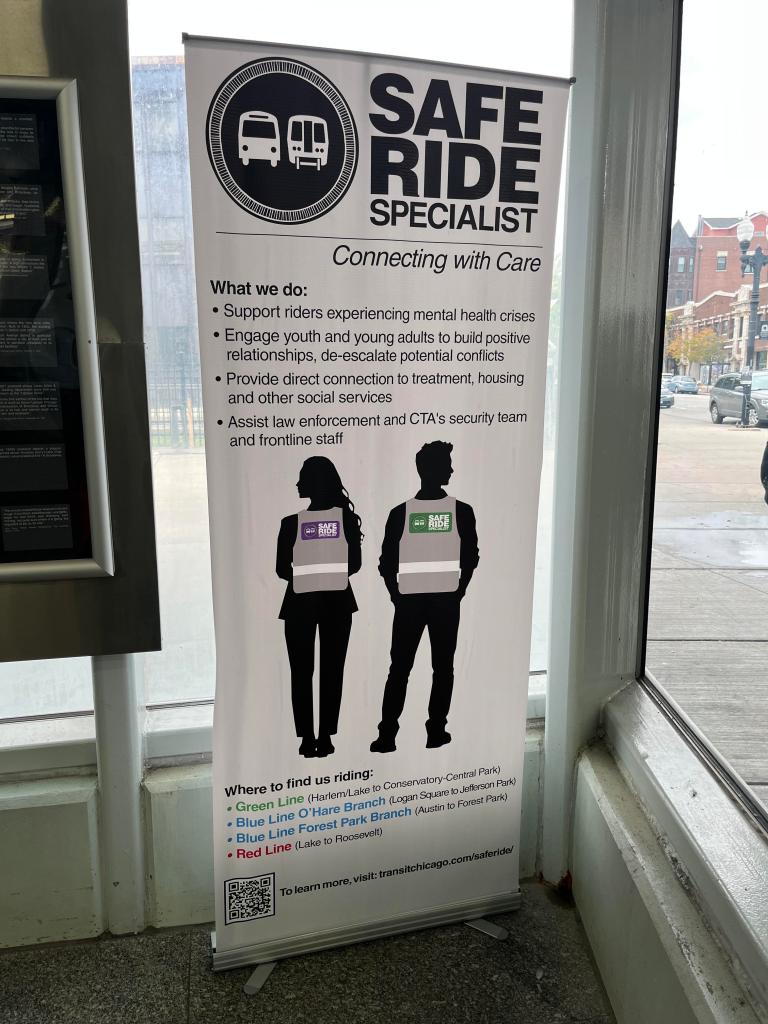
“So when we have such a low usage rate on our CTA, you have to ask why?” Mendoza added. “And if public safety is keeping people [off transit] who would much prefer, from an affordability perspective, not having to be behind the wheel, when you get other things done on a train. I think people would prefer that, but if it’s not safe, they’re not going to ride it, and their life now became even more unaffordable.”
“And your roadways, when you and I are riding our bikes, just became much more dangerous,” she continued. “And our time slot that [drivers] have to afford ourselves to get to work became much longer, and much more… you’re torqued trying to get to work, sitting in traffic.”
“So I think that a lot of these problems are absolutely fixable, but you need a leader who can see the whole picture,” Mendoza argued. “Before we talk about more taxes. Let’s talk about cleaning up the CTA, offering a safe, reliable, and affordable experience. And then the first thing is we have to bring up our ridership.”
“How do we bring up our ridership by making the CTA safer?” She asked. “It’s the number one reason I’ve heard from people that they don’t ride the CTA. Some of our stations have 70, 80, 90 percent fare evasion.”
(Cook County Sheriff Tom Dart told WTTW that before his officers recently started CTA enforcement, “We found that in numerous train stations, numerous ones, 80 to 90 percent of the people were not paying, so virtually everybody was going on for free.” Some commenters have contested those numbers.)
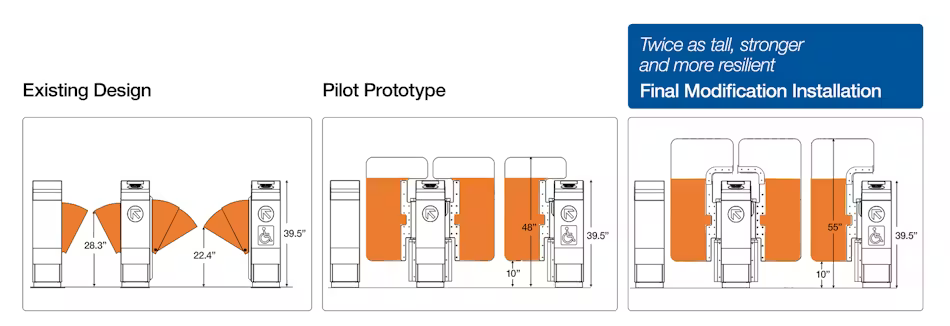
“There’s no reason why we shouldn’t be installing fare evasion gates,” Mendoza continued. “The people who are committing the serious crimes on the CTA are not the ones paying the fares. But we also have to address the mental crisis that exists on our CTA. Not turn a blind eye to it, but do something about it. So again, I could talk to you for hours about doing this, but we need a clean, safe, and reliable CTA system. Clean, safe, reliable.”
“What’s on your Korea itinerary?” another reporter asked.
“Oh my gosh, I’m so excited,” Mendoza replied. “I’m going to ride the transport stations, meet with their transportation officials. Because again, you have to take the best practices of what other cities do and bring them to Chicago. We can always learn from the people that do it the best. They also have a really interesting [central city bus system in Seoul, South Korea.] So color-coded, very effective.”
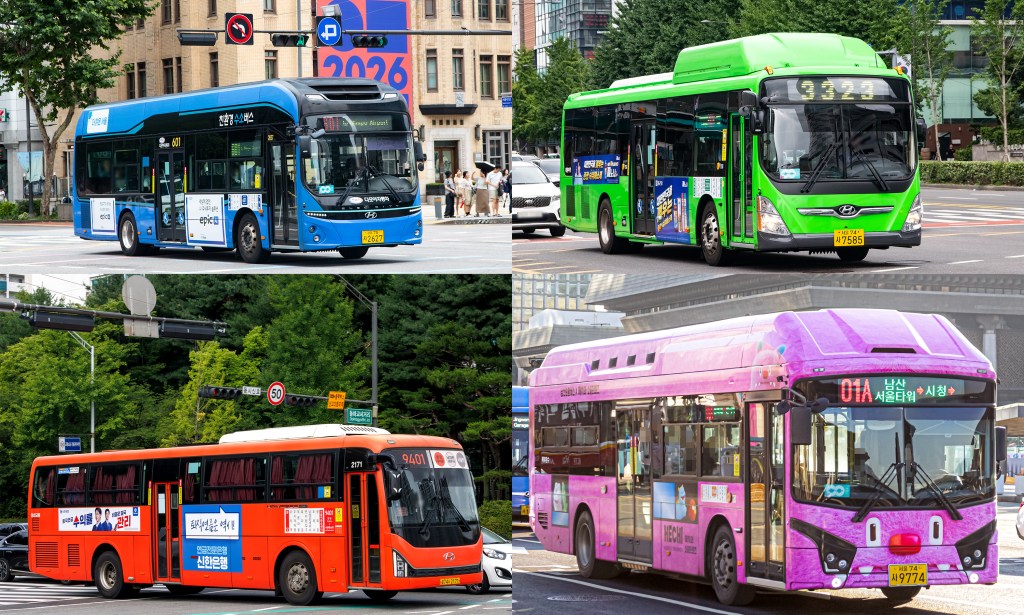
“Now we’re never going to be South Korea, so we can’t do the things we do,” she continued. “But we can learn from what they do really well, that could be scalable or replicated here in Chicago.”
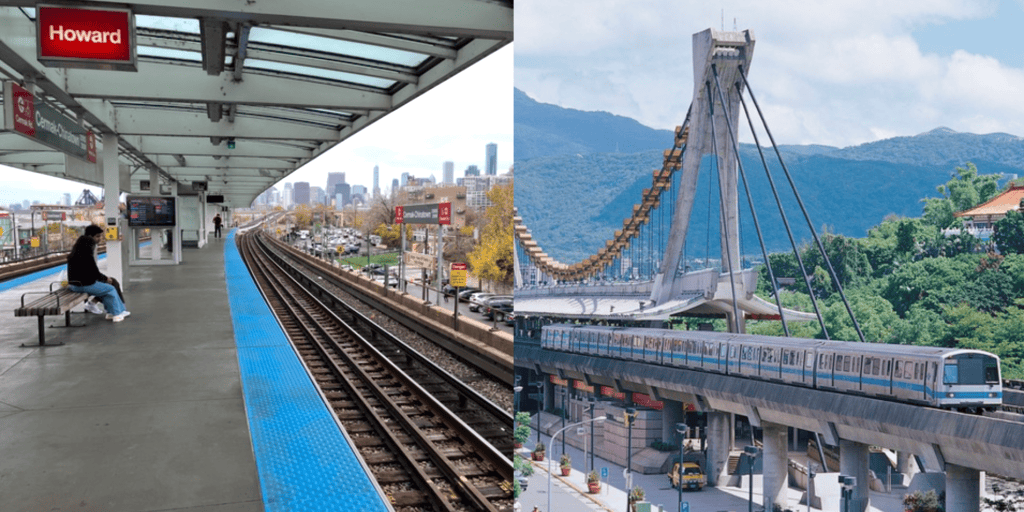
“I rode on the transit system in Taiwan,” Mendoza continued. “It’s incredible. You just come back and you’re just so jealous.”
“So again, we don’t necessarily have to have the bells and whistles that other countries do,” the candidate said. “We have a different system, but safe, clean, and reliable are critical components of a thriving CTA system, and that helps with affordability, congestion, and many other things that the city is suffering from right now.”
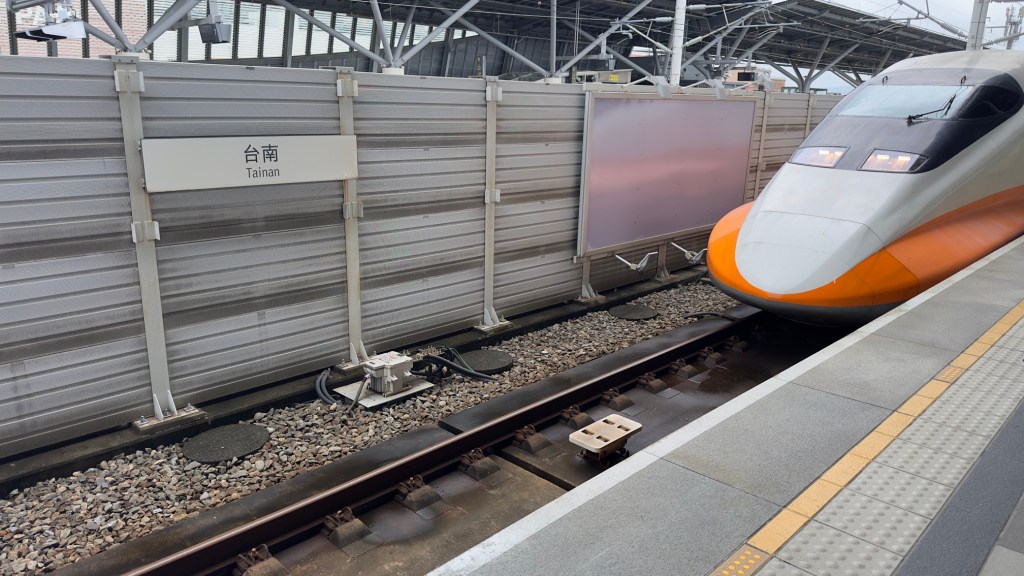
Later during the presser, a journalism intern mentioned that she was from Taiwan, and asked Mendoza what her favorite aspect of riding public transportation in Taiwan was, and what Chicago could learn from Taiwanese transit.
“We could learn so much from the Taiwan system,” Mendoza replied. “So the Taiwan system has a 99.99 percent reliability rate. Can you imagine that? It’s like, our minds explode. The other thing is, when you go into any of the Taiwanese station, they smell delicious. You don’t smell any horrible smells like we’ve now become accustomed to in the CTA. It’s a culture of ‘We’ in Taiwan, instead of a culture of ‘Me’, and that’s difficult to change a culture in any city, but I think they benefit from a culture of ‘We.'”
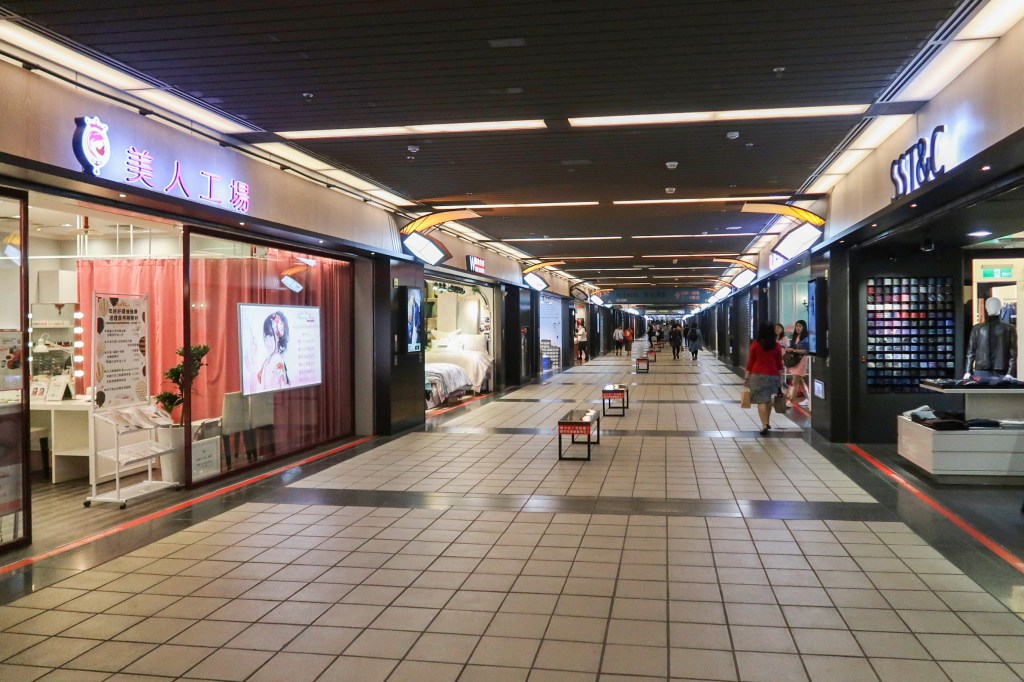
“When you walk into the stations, they’re impeccably clean, and then when you go down into their subway equivalent, it’s really interesting how they line up their system,” Mendoza continued. “Here we just go down, and it’s kind of like a free for all. Wherever you want to get onto the train, you get on. But in their system, their app is so good, you can see exactly what train you’re gonna you’re trying to board, exactly what time it’s coming, and it’s perfect. And then you can see how many people are in each one of the individual cars. So you know that you don’t have to just congregate and have a big fat line trying to force yourself onto a car. You know that, ‘Hey, I can go to Car 5. There are 18 open seats there, while Car 8 is completely full. So it makes for a very smooth and so much less stressful experience of getting on.”
“I also love that in Taiwan they don’t have open rails,” she added. “So you can’t push somebody onto the tracks. Like, the crime is non-existent there. But they have [transparent] barriers that come up while there’s no train, and when the train comes and the doors open, those barriers come down, and then people easily load onto and off of the train system.”
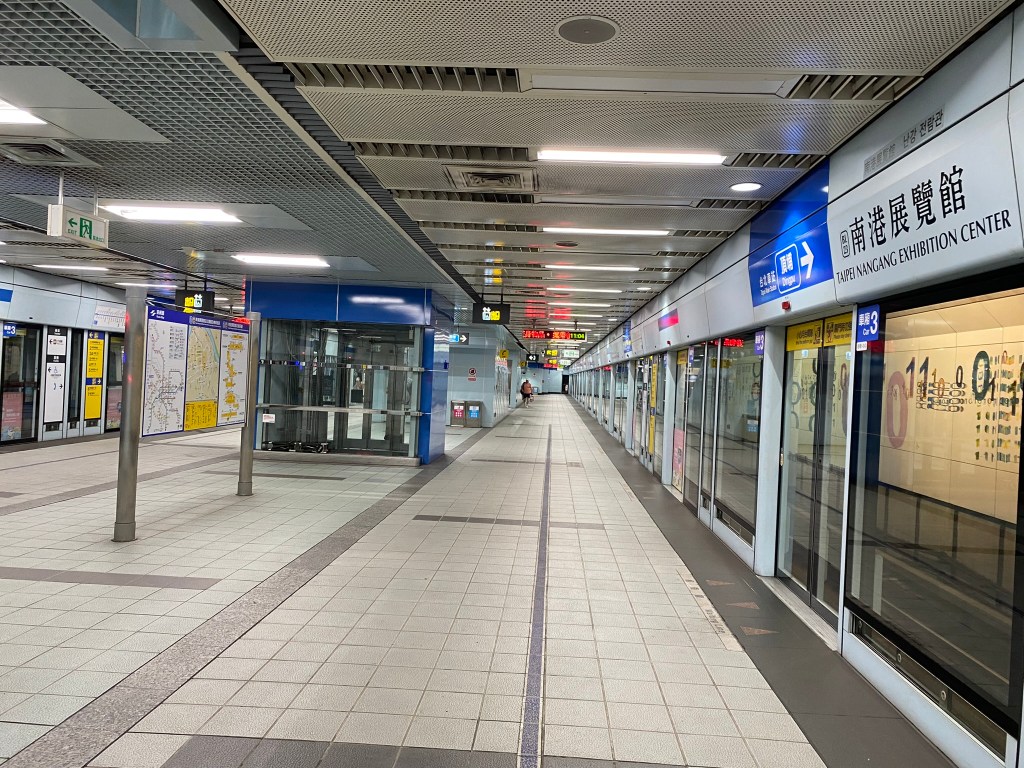
“The other amazing thing is everyone is very orderly, and all of their cues are marked and they’re diagonal, which means that everyone just lines up, and because they know that they have a seat in the train, there’s no drama,” Mendoza said. “It’s very efficient, very effective. And then perhaps my most favorite thing is that their app is so great when you’re on the train itself. If somebody spills a little bit of coffee, you put in your app, ‘I’m in seat three, row two, and within minutes there’s someone there to clean up the spill. And everyone is so polite, and the trains are impeccable because of that.”
“So I think that there’s a lot that we can learn from that transit system as we look to have a world-class transit system here in Chicago,” Mendoza concluded. “We don’t need all the bells and whistles, but the Taiwanese system, in terms of usability, user interface, obvious things that we can invest a little bit of money that are going to prevent crime and are going to make the experience so much more user-friendly, are things that can help us really build back a strong, robust, well-unified system here in Chicago. It takes seeing these things though to understand what’s possible in our own city. Congratulations on an amazing system.”
Read last week’s post with Mendoza’s full response to my question about Archer here.

If you appreciate Streetsblog Chicago’s livable streets reporting and advocacy, please consider making a tax-deductible donation to support our work. Thank you!