Sen. Simmons on winning $300K for a bike grid plan, with goal to “start building out that grid over the next several years.”


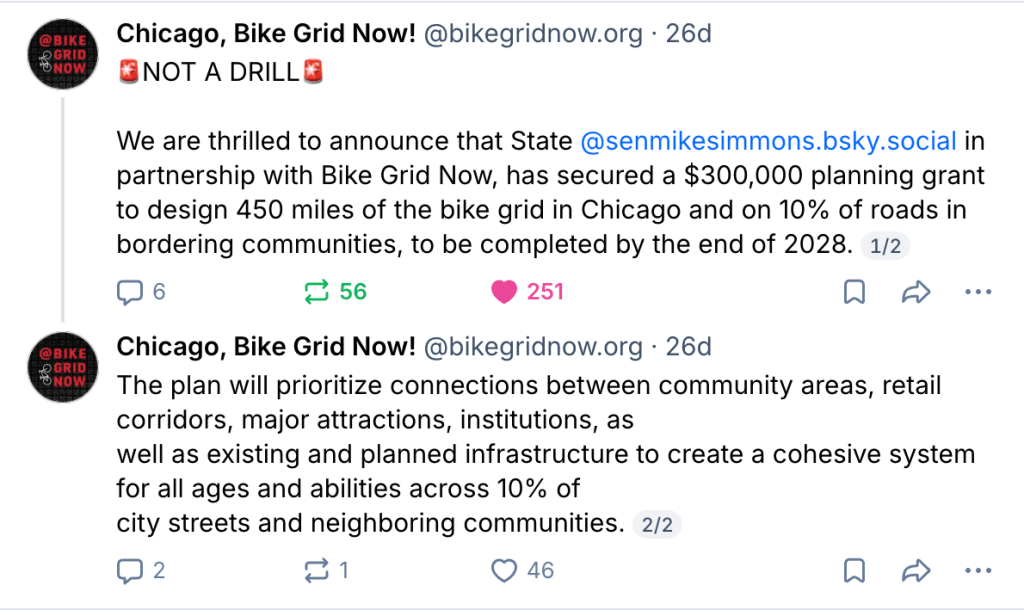
A few weeks ago, the grassroots advocacy organization Chicago, Bike Grid Now! posted this excellent news.
After checking in with CBGN! members, I recently reached out to the aforementioned State Senator Mike Simmons (D-7th) to get more details about this intriguing project. The following interview has been edited for clarity and brevity.
John Greenfield: It was very exciting news when Chicago, Bike Grid Now! posted that $300,000 had been allocated to do some planning for a regional bike grid including Chicago and adjacent suburbs. Can you tell me more about that? Like, how did that come to be? What was Bike Grid’s role in that?
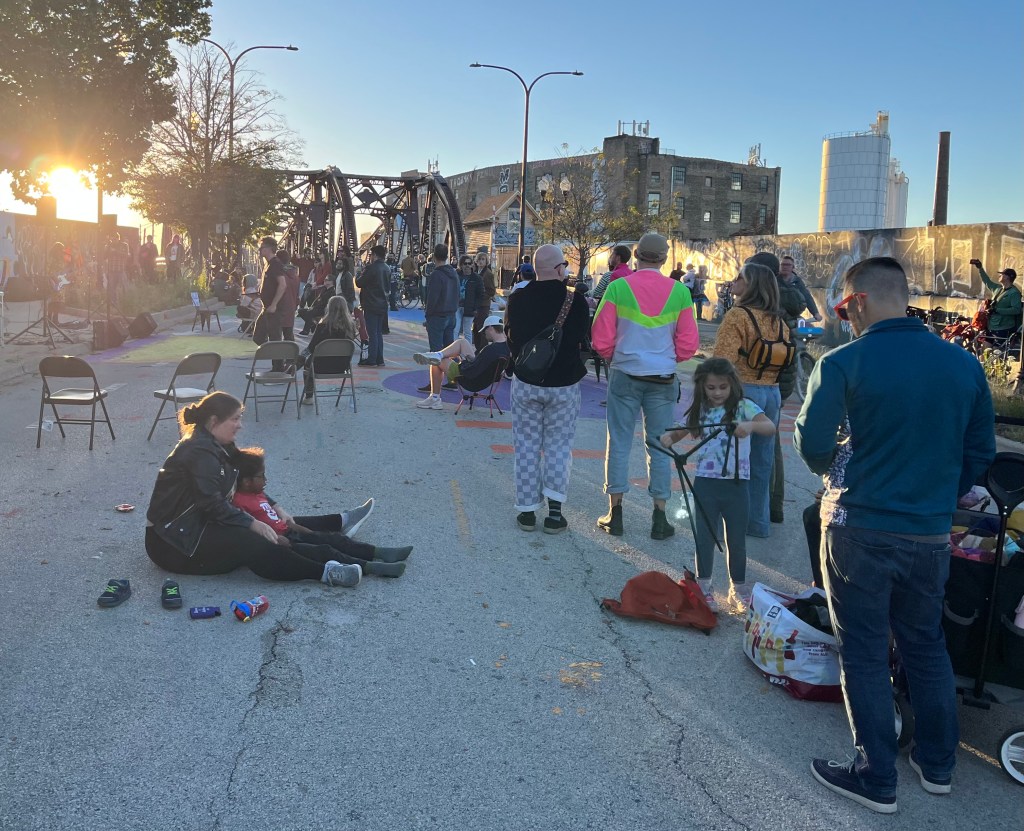
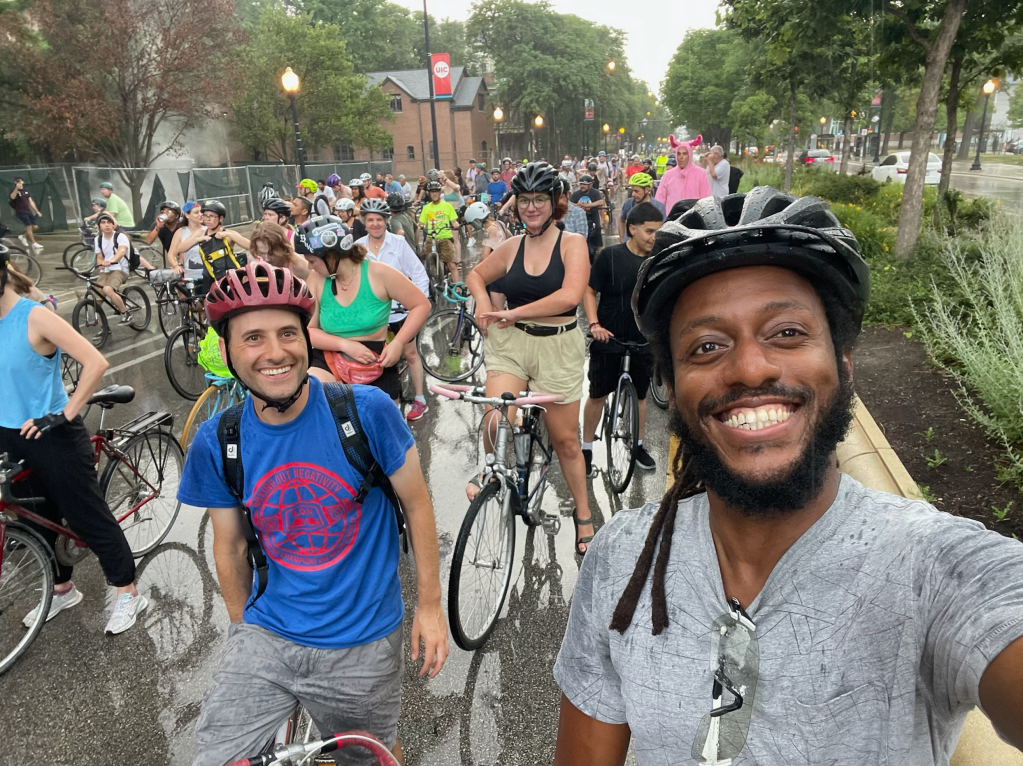
Last Tuesday for the Autumnal equinox CBGN! held its annual Jamapalooza, with advocates biking downtown in groups from seven neighborhoods across the city to Daley Plaza, and then doing a mass ride to observe Chicagohenge.
Sen. Mike Simmons: I have served in the state senate now for since 2021, and cyclist safety is personally a really important issue for me. But also legislatively, it’s an area that I’ve been very active on. In five years. I’ve passed probably about a dozen bills that do everything from tighten up coordination between [the Illinois and Chicago transportation departments] around protected bike lane infrastructure improvements, road road calming infrastructure improvements, etc. We see a lot of progress on that. So I bring my own kind of passion and commitment to seeing a bike grid happen in the Chicagoland area.
And so earlier this year, I had introduced legislation that would create a statewide bike grid, and that’s a bill that I generated from countless conversations with constituents who don’t feel safe biking or, frankly, don’t feel safe biking outside of the Seventh Senate district. Because we’ve got really excellent bike safety and infrastructure improvements that have gone online in the last five years.
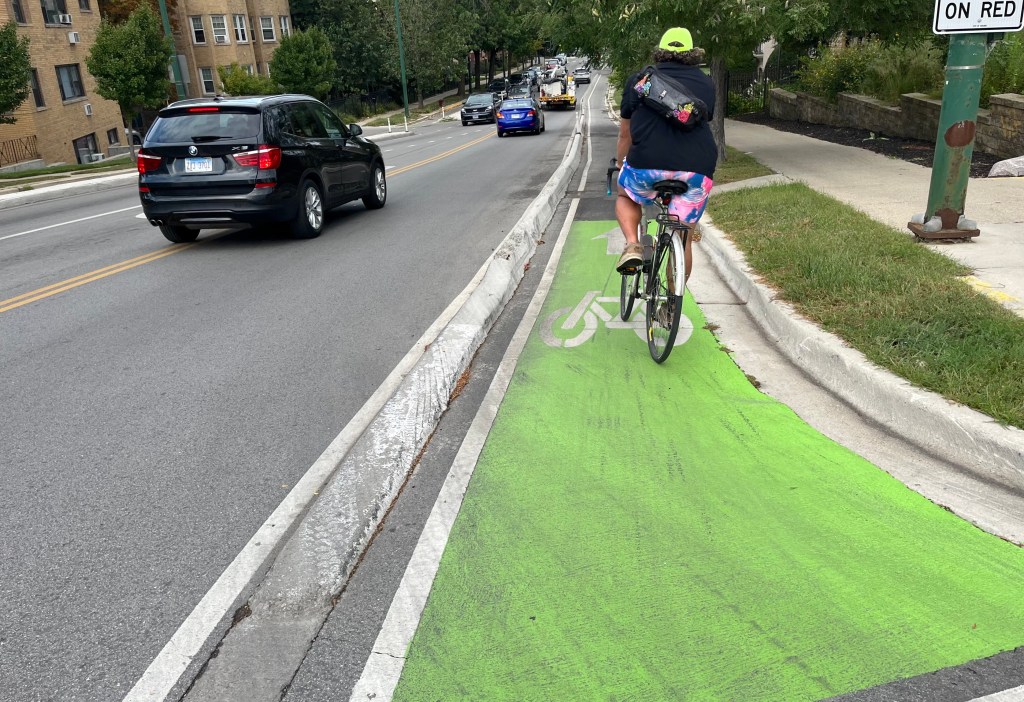
There’s more to the plan. There’s more needed. But folks don’t feel like they can necessarily ride all around Chicago in a low-stress, danger-free way the way they might in some parts of the Far North Side.
So I brought forth a bill that would create a statewide bike grid, and that bill will probably be a multi-year fight because of the number of jurisdictions and counties that would have to coordinate to make that happen. But I’m willing to lead on that and and work toward having a statewide bike network that exceeds the ones that currently exist now that frankly are a bit fragmented.
Bike Grid Now, I think I saw them in a committee meeting in spring, and they mentioned that were interested in trying to work with [the Chicago Metropolitan Agency for Planning] and other bike advocacy stakeholders to essentially create a roadmap or recommendations of viable potential connected bike routes that could run throughout the city of Chicago and each of peripheral suburbs.
So I got excited about that because I thought that that was consistent with my my larger goals of seeing a bike grid that covers Chicagoland but also goes into other parts of northern Illinois, that goes into western Illinois, and can get you into the central and southern parts of the states as well. But certainly having having a bike grid in Chicagoland makes a whole lot of sense, considering there are so many more people cycling now than there were even five years ago.
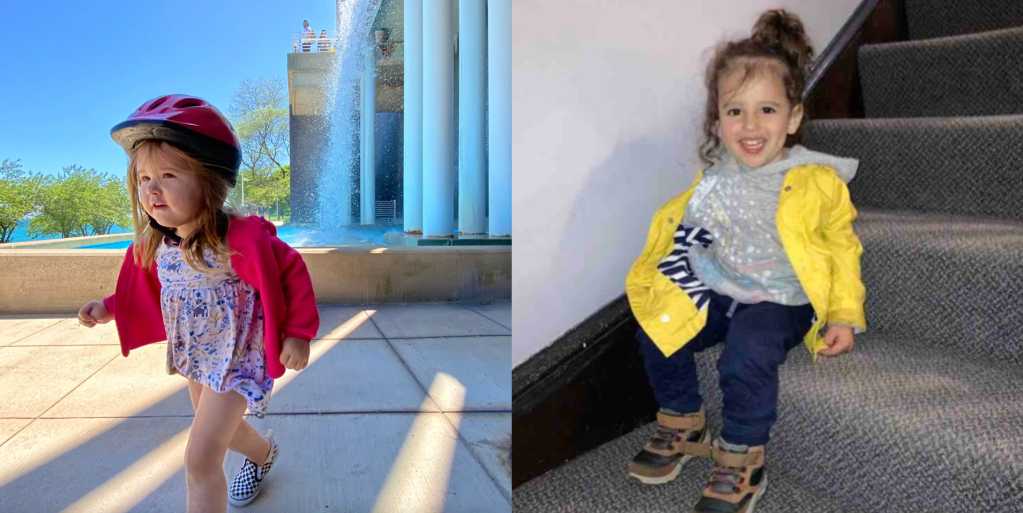
But of course, concurrent with that is that injuries and fatalities of cyclists [is still a major issue]. I know that you were involved with a pretty bad crash a couple of years ago. I’ve had some near misses, and I’ve got friends that have been banged up pretty badly. I haver a constituent Timothy Shambrook who lost his daughter Lily Shambrook, who was three years old, in a collision caused by a truck parked in a bike lane. Another constituent, Rafael Cardenas, who was two years old, was killed [by an SUV driver] in Lincoln Square.
So this is something that is really salient for me. It’s an important goal that I have and I’m really committed to it. So when Bike Grid Now came forward and said, “Hey, we want to essentially do the same thing,” I said, “Great, what do we want to do?” There doesn’t seem to be an existing map or set of recommendations that has already been done that talks about the viability of different corridors, arterials, side roadways.”
(For what it’s worth, five years ago, I made a quick attempt at this idea.)
I would even say alleyways that could be a part of a larger bike grid, and and frankly, more excitingly, a bike highway is where my heart points too, similar to what you see in Copenhagen.
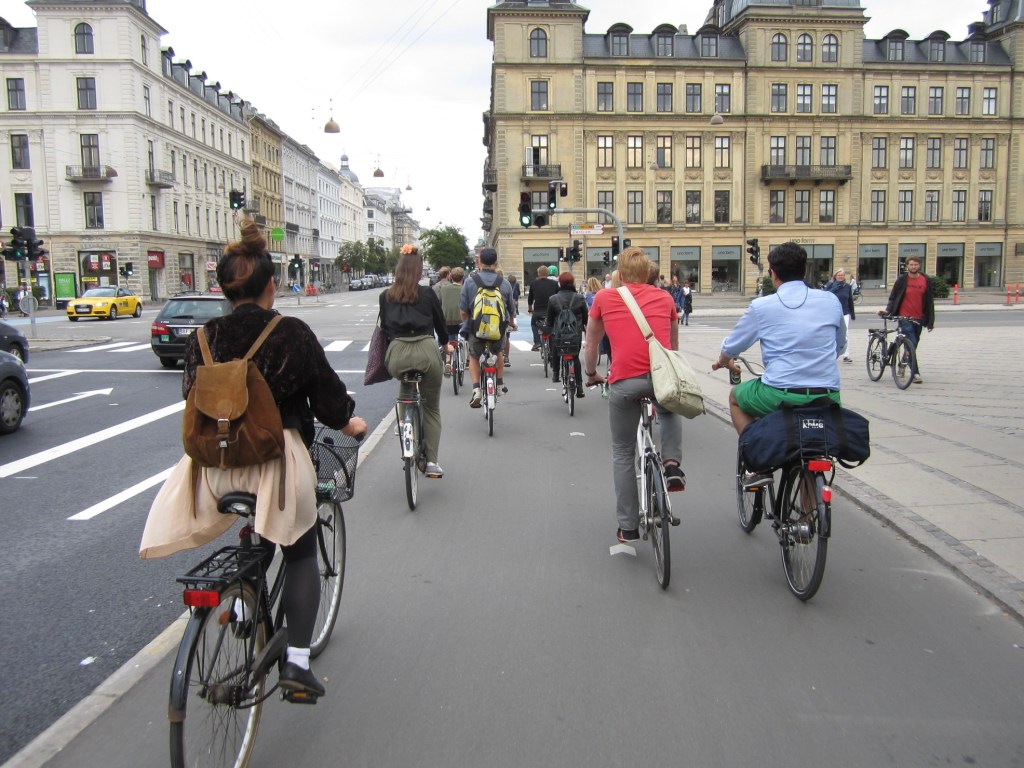
And so I thought that $300,000 was the ask to essentially fund the study, the planning work, the outreach work to to different communities, to other bike advocacy stakeholders, safe streets stakeholders, and neighbors, many of whom have already been involved with advocating for a bike grid.
(Later in our conversation, Simmons gave shout-outs to Bike Lane Uprising, Better Streets Chicago, Active Transportation Alliance, Major Taylor Chicago Cycling Club, Chicago Critical Mass, South Side Critical Mass, and Chicago Family Biking for influencing the state legislation. He said, “It’s a whole constellation of groups that really feel that this is the time for Chicago to have a connected bike grid that keeps us safe and allows us to ride with a little less stress.”)
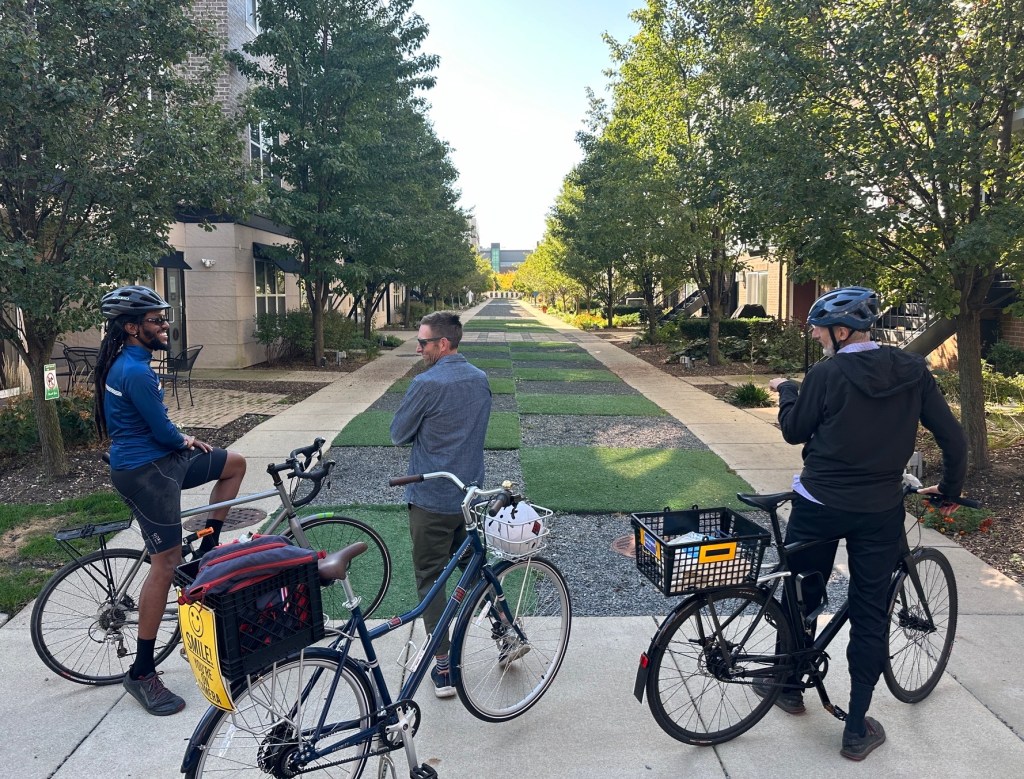
My goal, and the reason I decided to champion this is, it gets everybody focused on it, it gets us a date of 2028 to to have a comparable living document that will be readable, and that will not just be a long report that just gets dusty and sits on some nonprofit’s shelf. But it would be a real document that I and other elected officials who are ready to fight for a bike grid, and those who frankly have had some some pressure put on them to do so, so that we can all coordinate to act on those recommendations that will come out of this document to actually start building out that grid over the next several years.
$300,000 is an appropriation that I secured through my legislative efforts was was added to the [Illinois State Budget Fiscal Year 2027] that we passed May 31st. Government signed into law, so that money is ready to go.
(Relevant language in Section 400 of the FY27 budget: “The amount of $300,000, or so much thereof as may be necessary is appropriated from the General Revenue Fund to the Department of Human Services for a grant to Safe Cycling Network for operating expenses.”)

If you appreciate Streetsblog Chicago’s livable streets reporting and advocacy, please consider making a tax-deductible donation to support our work. Thank you!
I’m in conversations with CMAP, which will receive this grant and will be responsible for leading the work to convene bicycle advocacy stakeholders, safe streets stakeholders, neighbors, and others who should weigh in on this, and we’ll have hyper-local perspective on corridors, roadways, side streets, etc., that would be viable for not just the protected bike lane that goes for two blocks or four blocks.
One of my favorite bike lanes is the one on Clark [in Uptown and Lakeview] that runs from Winnemac Avenue to Irving Park Road. It’s so great it should go further, and it shouldn’t just stop at Irving Park, just because you’re going into a different part of town or different ward.
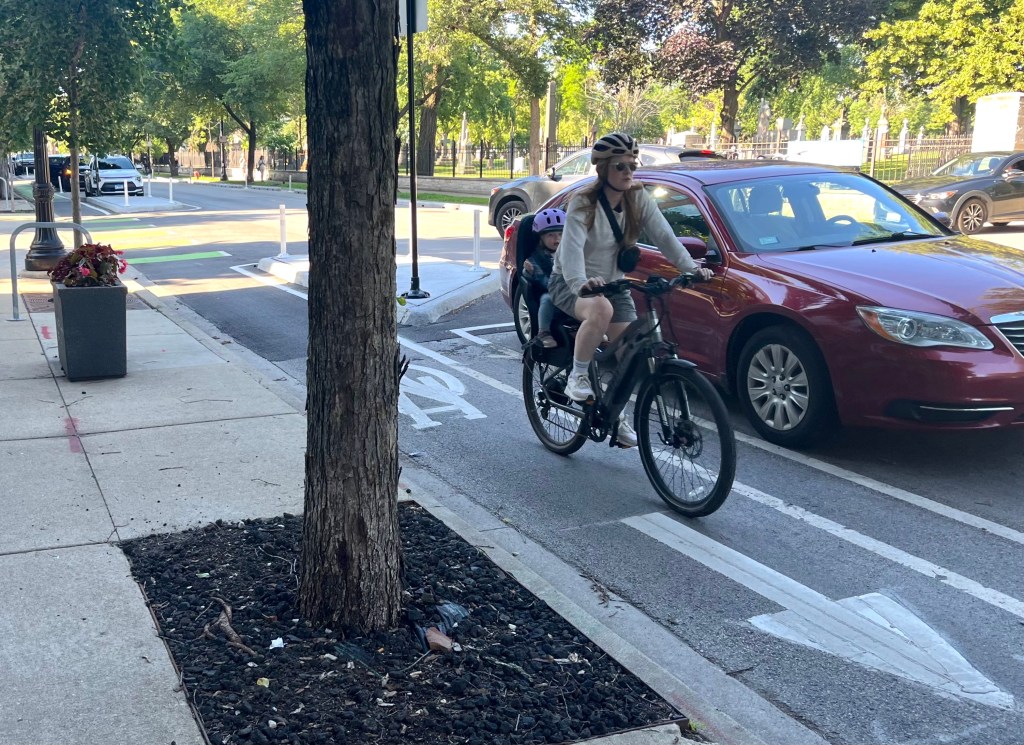
I want to see a bike grid that continues on Clark from Irving Park and gets you all the way across town through various points of the Loop, or takes you over into the West Side, gets you to the Southwest Side, and it gets you all the way to those peripheral suburbs, places such as places such as Dolton, Matteson, Blue Island, Oak Park, Norridge, Melrose Park, Niles, Evanston, Skokie, where, if there’s any kind of bike infrastructure that’s already been installed, it’s really catchy, and it is certainly not what I would call a connected grid.
So that’s the goal, and I’m really excited to be helping to move us forward on this goal.
John Greenfield: To bring this down to a micro level, you recently helped lead a bike tour looking at the border of two of the most bike-friendly places in the region. Evanston is probably the most bike friendly municipality in Chicagoland. I don’t think they’ve had any fatal crashes in several years. [There were no traffic fatalities of any kind in Evanston from at least 2019 to 2022.] That’s partly because they’ve got a robust protected bike network. And they are soon going to extend the bike lane on Chicago Avenue, which is the equivalent of Chicago’s Clark Street, to the Howard Street border with Chicago.
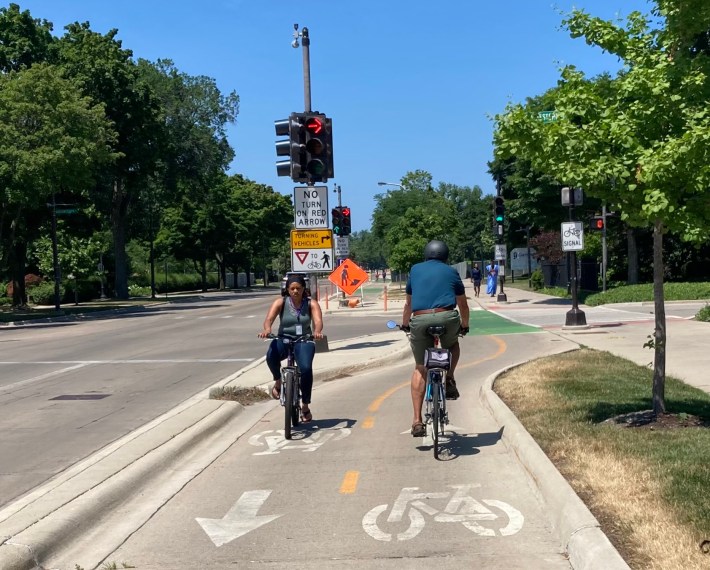
But the point of your tour was to show that while there are good bikeways in those cities, they don’t always connect. Clark Street and Chicago Avenue is a good example, because there are no protected bike lanes on on Clark Street in Chicago north of Devon Avenue. So, do you want to tell me a little bit about that tour and how that jibed with the with the effort to allocate money for the bike grid plan?
Sen. Mike Simmons: Yeah. I agree, Evanston is is pretty advanced when it comes to having what are called calm streets. I myself can bike through several of the side streets in Evanston and not feel super-stressed out, or like a driver is going to pass me at 40 miles an hour, which we know will usually kill on impact.
And, of course, I’m really excited about the new protected bike lane will come down come down Chicago Avenue right onto Howard, But that that begs the question right there… On that tour, what we were trying to do, myself Evanston Transit Alliance and Chicago, Bike Grid Now!, and we had other folks there who were part bike bike advocacy milleu, but not necessarily representing organizations. Viktor Köves, who runs Chicagoans Who Bike, was there, but not representing his organization, but as a very interested stakeholder. And the point was to bike through several streets through Rogers Park, West Ridge, and Evanston, and all are adjacent, and show how you don’t really have a way for people to get across that border.
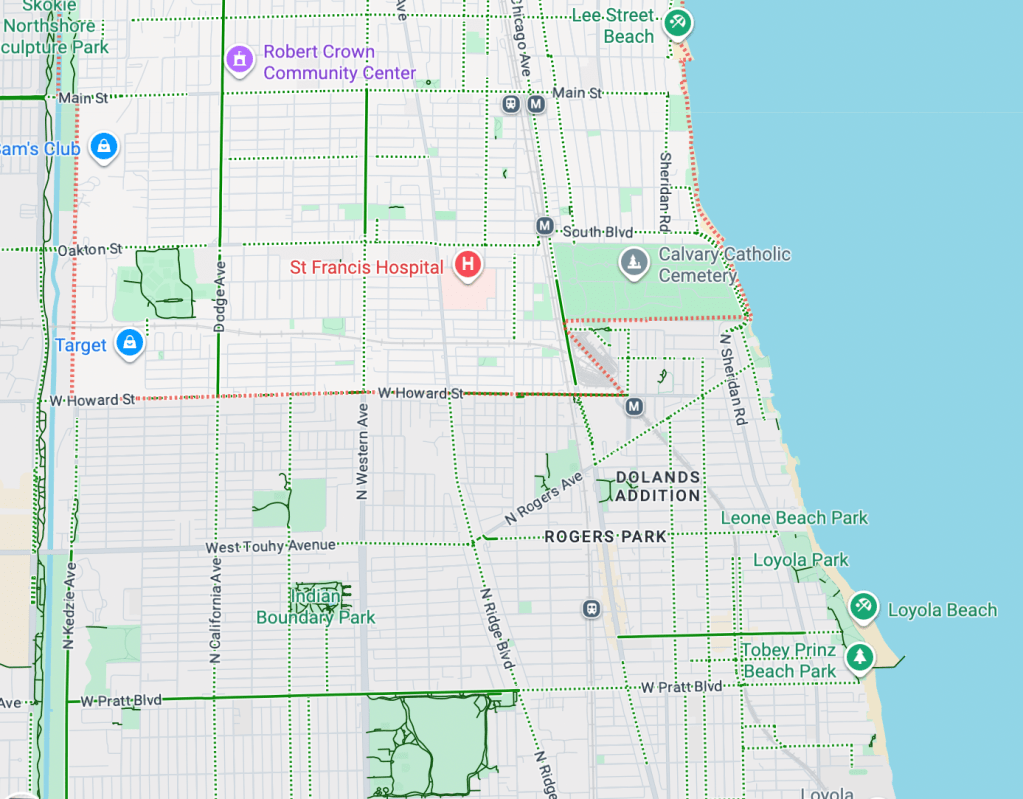
I’m a Rogers Parker. I love to go into Evanston and shop at small businesses. And when I’m in Evanston, I know friends there and family of mine that love to come into Rogers Park in Chicago. But sometimes it feels like you’re going into a different country if you’re on a bike.
To give you an example, Dodge Avenue in Evanston has protected bike lanes that run for about two miles. And then it stops at Howard, and as you go into West Ridge, there are drivers there going 30 mph. That’s not safe.
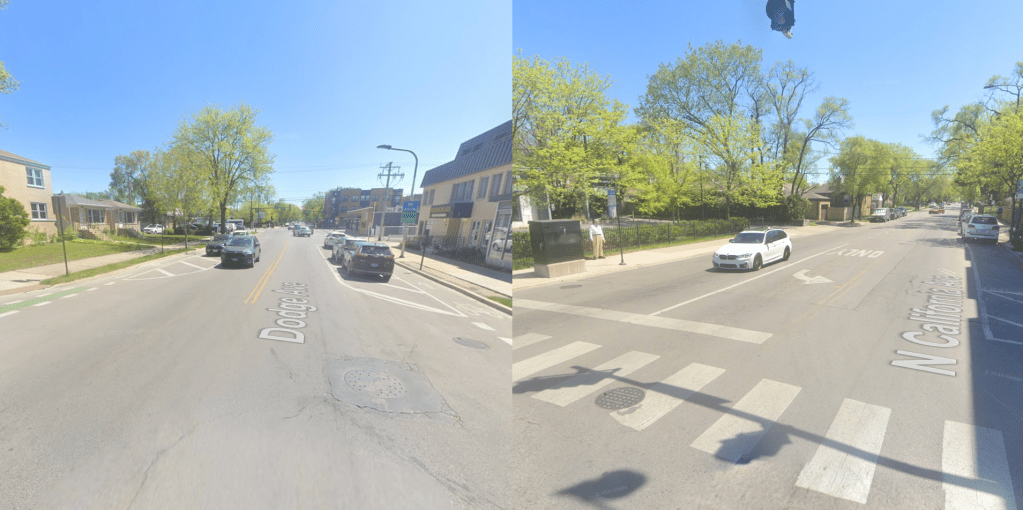
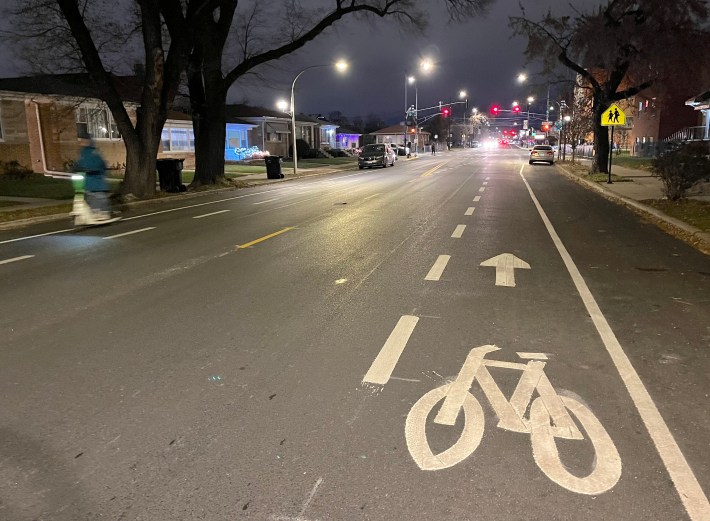
And you’ve got a painted bike lane that’s new, that I certainly appreciate, that’ll take you from Peterson Avenue to Foster Avenue. But that’s missing a that’s missing a big opportunity to have coordinated protected bike lanes running right through on California in 50th Ward and the 40th Ward that then would create basically a five mile stretch of protected bike lanes that would get you between Evanston Chicago.
And I would argue the same thing for the new protected bike lanes that will come down Chicago Avenue in Evanston, when you get to Howard, that’s a really good opportunity to install protected bike lanes on Clark Street in Chicago. And even if it’s just one side of the street, that will connect you down to Devon, where you can then pick up the existing protected bike lanes, and there are protected lanes on most of the stretch to Wrigley Field. At that point, you’re crisscrossing basically my entire state senate district by bike.
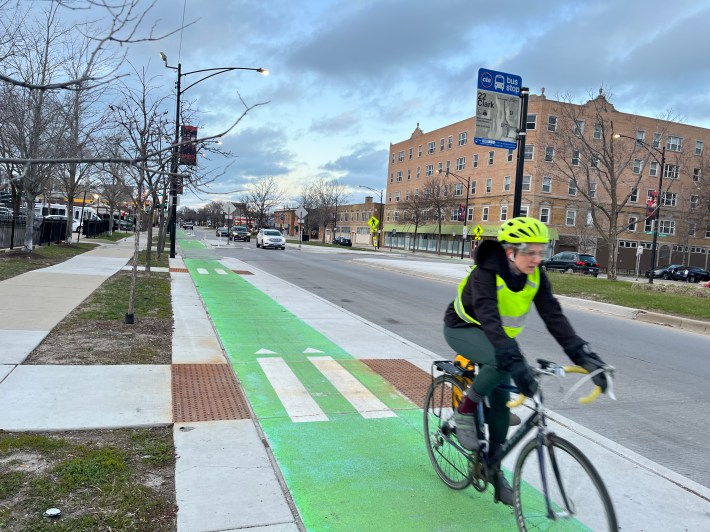
And that can be done. That’s low hanging fruit, and that bike tour was meant to highlight that for folks.
Here’s another example. On Granville Avenue, you have the new greenway, which I’m excited about. It’s not perfect. You still can have scenarios where people can door you, and where people can still come speeding down there like a bat out of hell. But the reality is, it’s a lot easier to ride down Granville right now than it was two years ago. I was proud to support that. I put my platform and my weight behind that to make it reality.
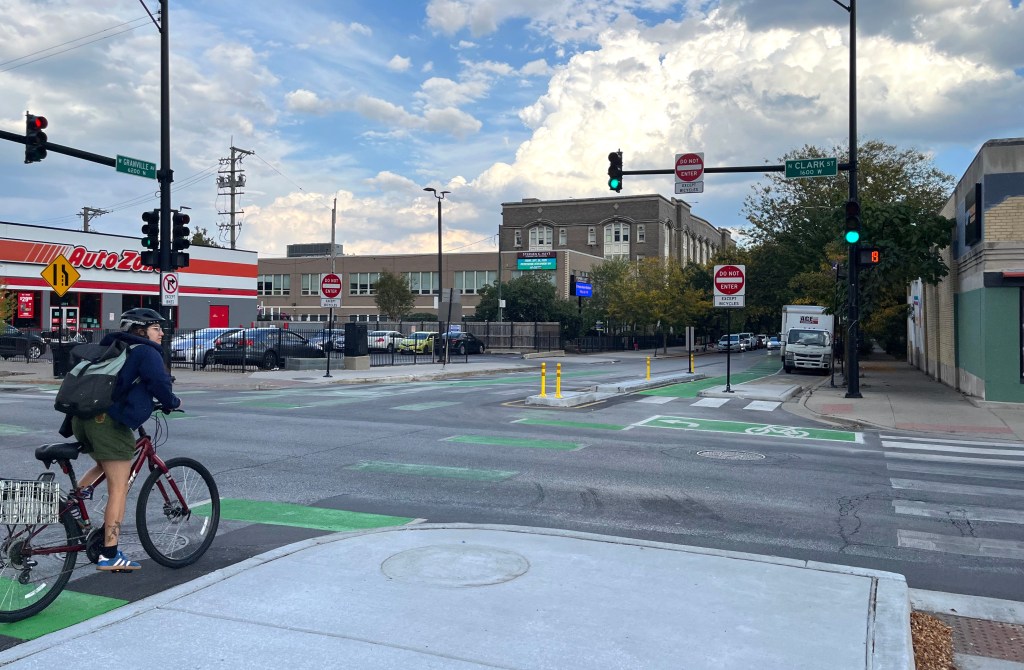
Granville Avenue at Clark Street in Edgewater. Photo: John Greenfield
But now let’s make sure that Granville connects to Kedzie Avenue, and there’s a protected lane on there that then gets to the new pedestrian bridge that’s going to be built at Pratt Avenue across the river. And when that is completed – I believe in 2028 is when either it starts construction or it’ll be up and off the ground – that gets you over to Pratt in Lincolnwood, which has a new painted lane that’ll take you all the way past Skokie Boulevard, what would be Cicero Avenue in Chicago.
And that’s that’s the kind of work that I think needs to happen faster. If people are going to really feel safer, and like they can commute to work, and use their bikes, not just once or twice a week, but like every day, the way I do, then you’ve got to have bike highways and bike connectivity to do that.
If you appreciate Streetsblog Chicago’s livable streets reporting and advocacy, please consider making a tax-deductible donation to support our work. Thank you!

Read More:
Streetsblog has migrated to a new comment system. New commenters can register directly in the comments section of any article. Returning commenters: your previous comments and display name have been preserved, but you'll need to reclaim your account by clicking "Forgot your password?" on the sign-in form, entering your email, and following the verification link to set a new password — this is required because passwords could not be carried over during the migration. For questions, contact tips@streetsblog.org.