At APTA Expo, Chicagoland’s transit’s future came in two forms: a battery train and a new regional system

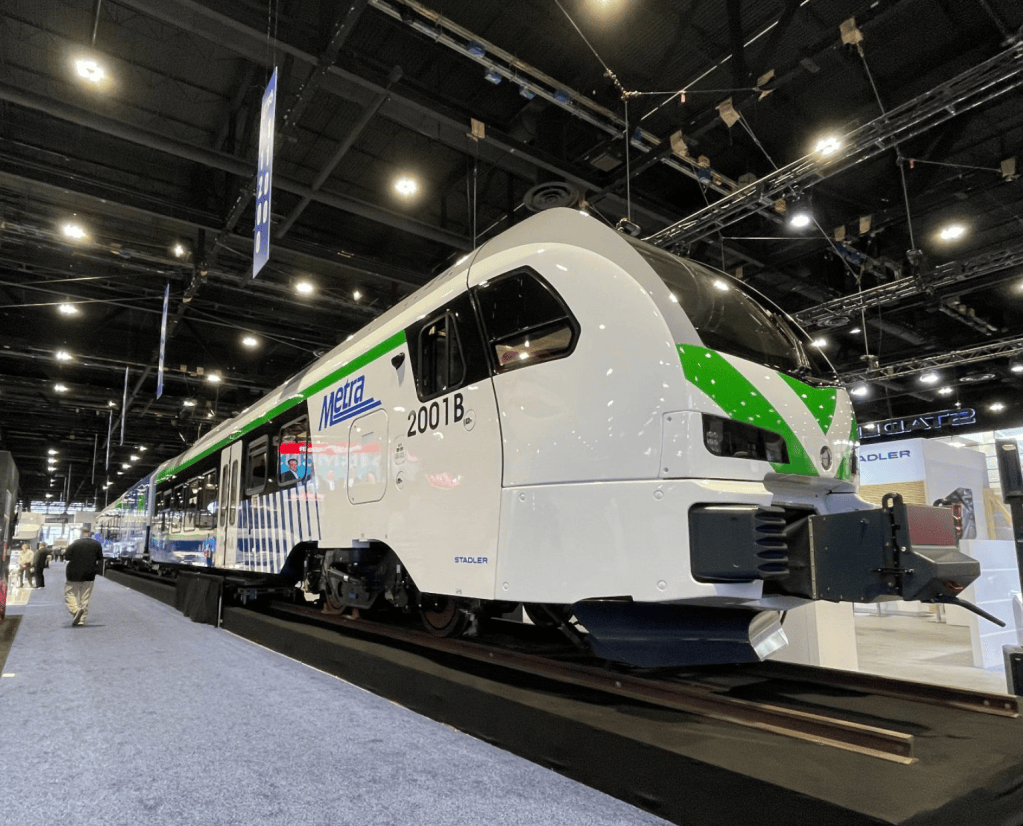
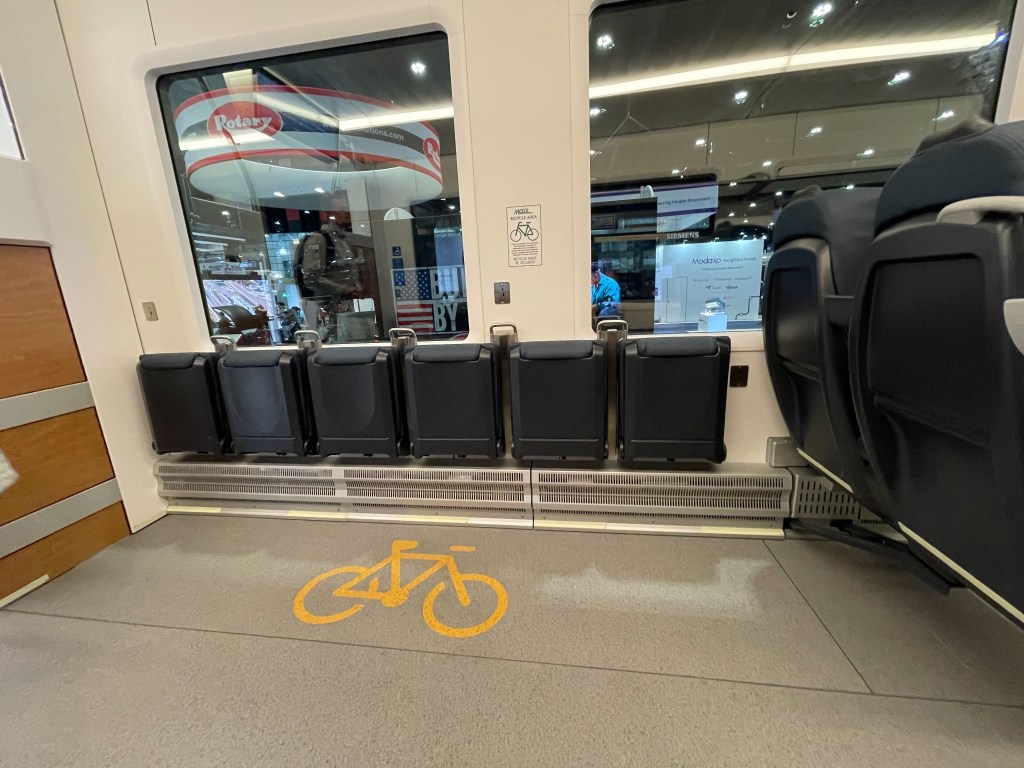
The Chicago region’s transit’s future was on display in two very different ways this week at McCormick Place. On the APTA EXPO floor, transit officials and engineers crowded around a new battery-powered Metra train, the first of eight battery-electric FLIRT trainsets ordered from Swiss manufacturer Stadler.
A day later, several of the region’s top transit leaders sat on a ballroom stage to discuss the transition to the Northern Illinois Transit Authority, along with the new funding and regional coordination that come with it.
Together, the two events offered a glimpse of what Chicago-area transit agencies say they are trying to build over the next several years: cleaner vehicles, more frequent service, easier transfers, safer conditions, and a regional system that feels less fragmented to riders.
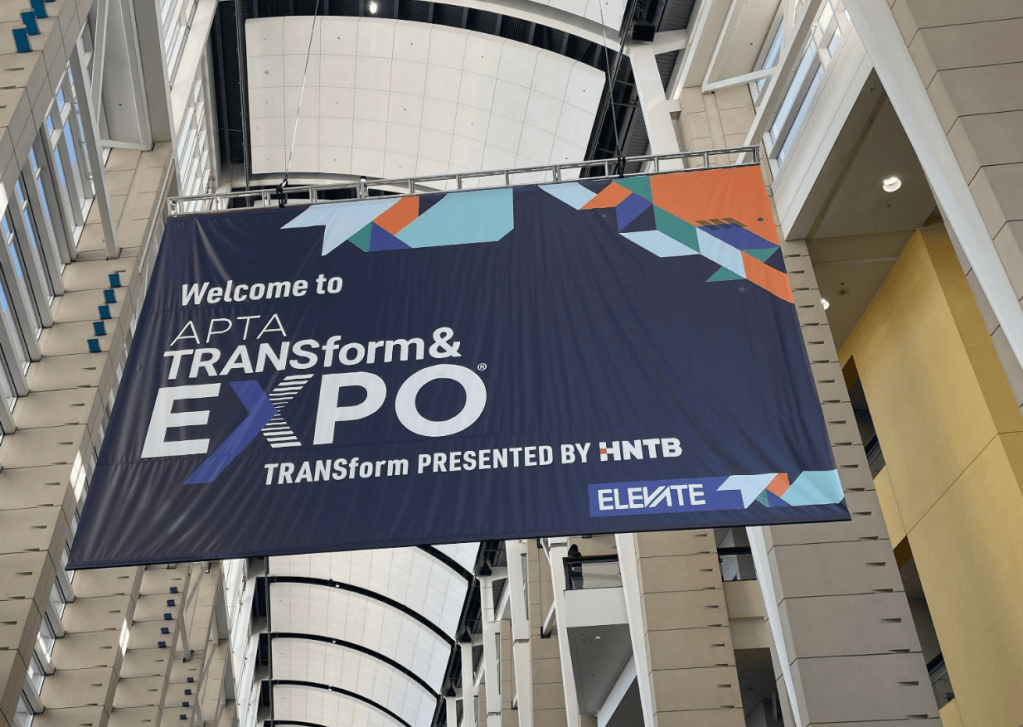
The American Public Transportation Association’s TRANSform Conference & EXPO brought transit agencies, manufacturers, planners, and policymakers to Chicago from October 4 to 7.
Metra FLIRTs with battery-powered trainsets
On Monday, Stadler and Metra presented the first battery-electric FLIRT developed for the U.S. market. “This is a big moment for Stadler,” Stadler North America CEO Martin Ritter told attendees. “It’s a big moment for Metra as well.”
Stadler signed the Metra contract less than two and a half years ago, Ritter said, adapting battery technology already in use overseas to meet U.S. requirements. The train on display was designed and built at Stadler’s Salt Lake City facility.
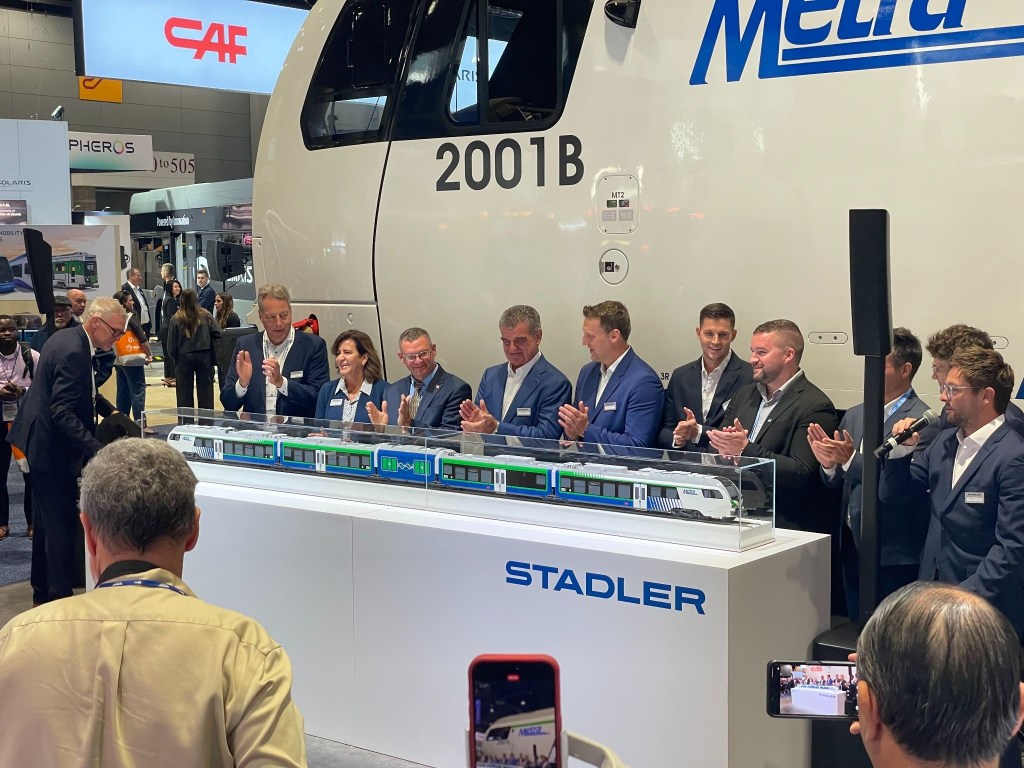
The battery-powered FLIRT uses a lightweight aluminum body and carries roughly one megawatt-hour of battery capacity, according to Ritter. Because it does not require continuous overhead wires, the technology could allow agencies to replace diesel service without electrifying an entire corridor.
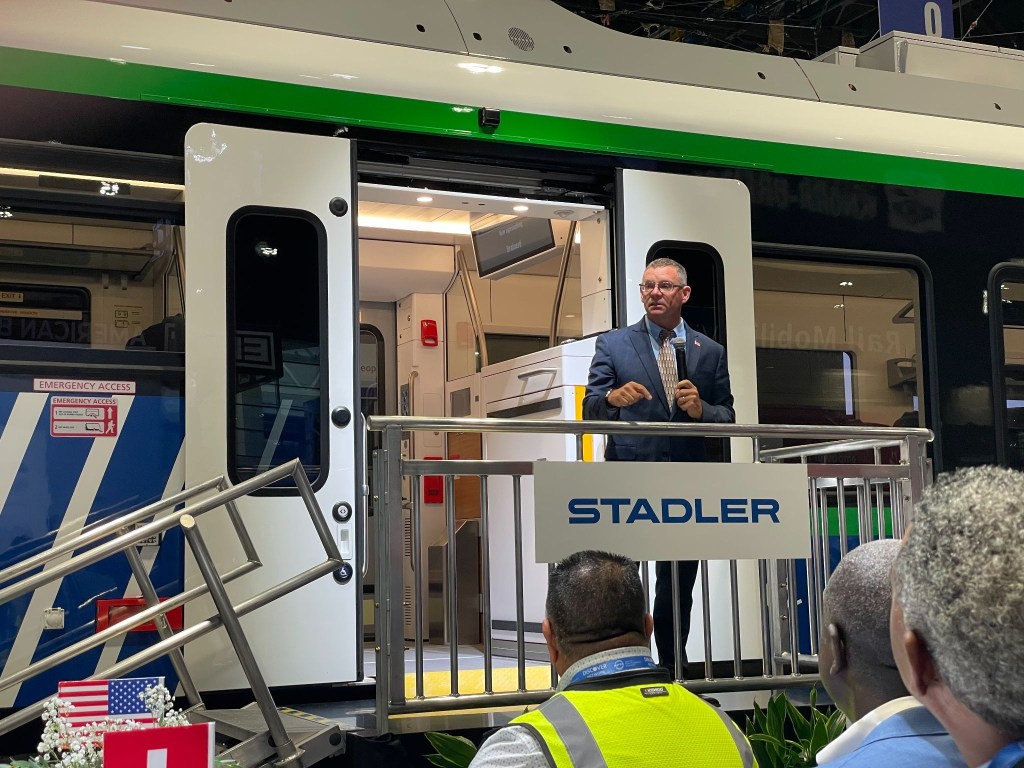
Metra CEO Jim Derwinski said the train will eventually operate on the Rock Island District’s Beverly Branch as part of the agency’s regional rail pilot, where Metra has been pursuing more frequent, all-day service.
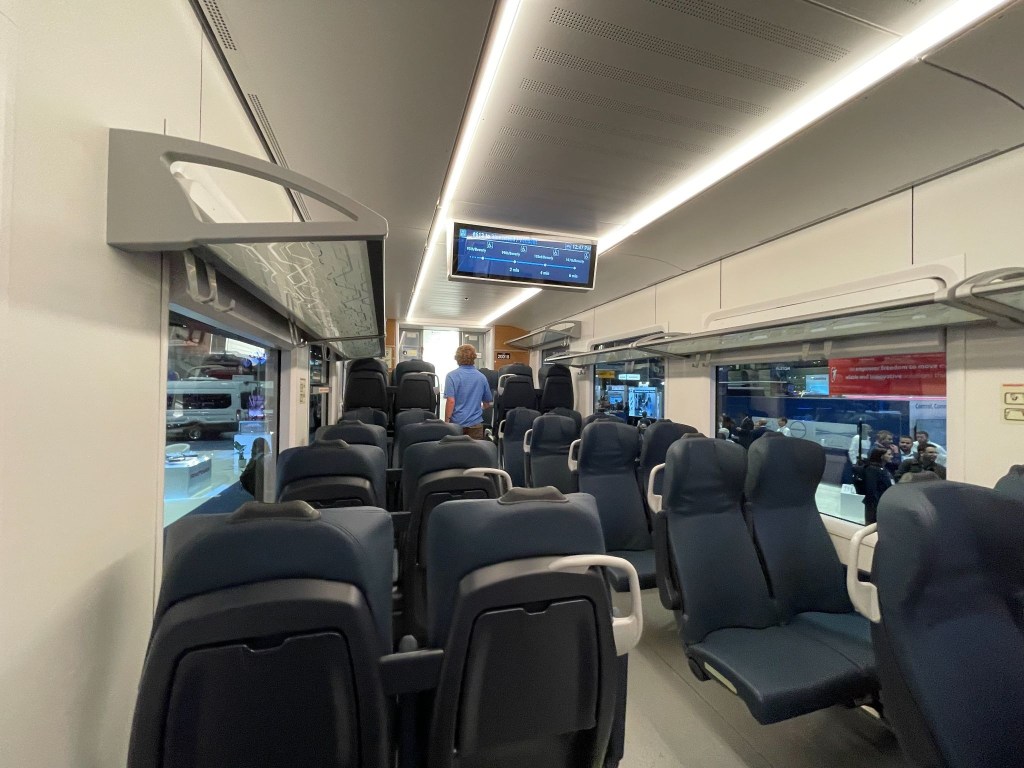
“This is the perfect vehicle to make that happen,” Derwinski said. “It went from a drawing to a concept to a vision to a vehicle, and pretty soon it’ll actually be a passenger revenue train here in Chicago.” Stadler says the battery trainsets are expected to enter passenger service by 2028.
NITA preview of what to expect from Chicagoland transit?
If the battery train represented the hardware side of the region’s ambitions, Tuesday afternoon’s “Chicago Transit Leaders: What’s Next” session focused on the institutional side.
NITA officially replaced the Regional Transportation Authority on September 1 after lawmakers approved a sweeping transit funding and governance package last year. The law gives the new agency a larger role in regional fare policy, service coordination, capital planning, and oversight of CTA, Metra, and Pace, along with substantial new state funding.
Leanne Redden, the final RTA executive director and immediate past APTA chair, emphasized that the governance changes came with something transit reform efforts do not always have: money. “A lot of times we often get requirements, obligations, expectations to pursue programs, and a lot of times the money doesn’t come with it,” She said. “One thing that’s a huge success… is the fact that it is coming with a very significant amount of money.”
NITA Chief Transition Officer Maulik Vaishnav said riders are unlikely to wait for governance changes to settle before expecting results. “Riders are not willing to wait,” he said. “Riders are looking for better service. They’re looking for more public safety options.”
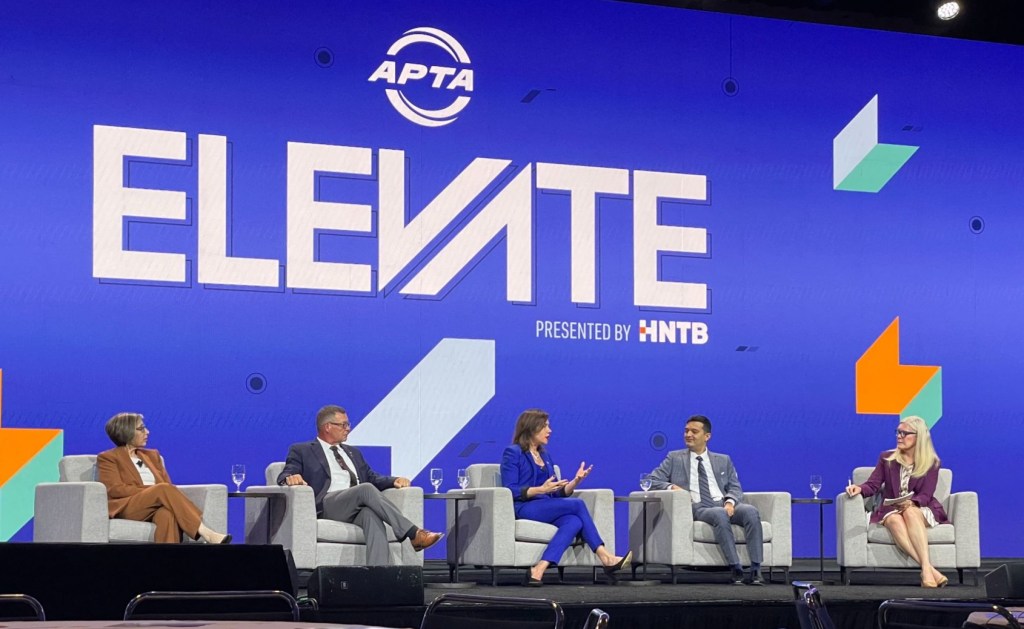
CTA Acting President Nora Leerhsen said some investments are already showing up as more frequent bus service. The CTA is building out a Frequent Bus Network of routes intended to run every 10 minutes or less throughout the day. Leerhsen said 24 routes are expected to be included this year, and each connects with either Metra or Pace.
She added that the CTA has used new money to remove more than 10,000 feet of rail slow zones on the Red, Green, and Yellow lines.
At Metra, Derwinski said changing ridership patterns have made the traditional downtown-commute model less useful. Metra’s regional rail pilots spread trains more evenly throughout the day, but he said frequency is also essential for transfers.
“If you have something where service is frequent, you don’t really have to think about it,” Derwinski said. “Sometimes our service is hourly. You miss that hourly train… that’s not a good experience.”
Pace Executive Director Melinda Metzger made much the same point, stating the mantra, “Frequency, frequency, frequency.”
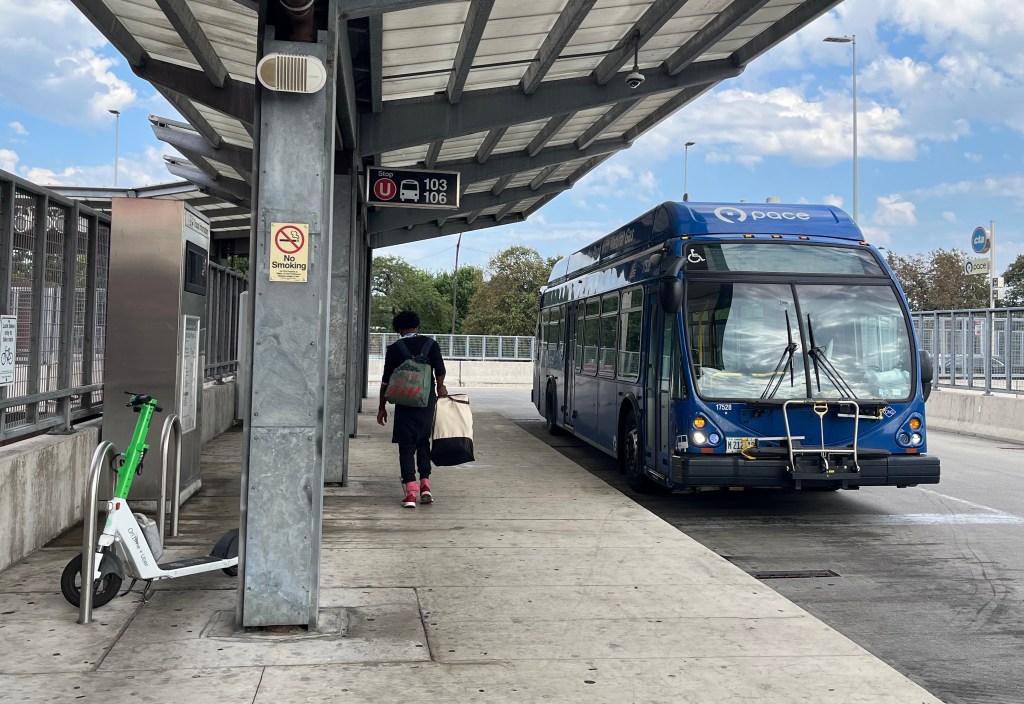
Pace serves 3,700 square miles across 274 communities, Metzger said, and suburban travel patterns have become much less centered on downtown Chicago since the pandemic. New funding gives the bus network an opportunity to redesign service and add coverage where riders have been asking for it.
Safety was another major topic. Leerhsen said major crime on CTA was down 30 percent year-to-date compared with 2025 and pointed to increased police deployments as well as new non-police crisis and violence-intervention resources. She said CTA’s new Safe Ride Specialists program could help inform the regional transit ambassador program mandated by the NITA Act.
The agencies are also working towards a common rider safety reporting tool. Vaishnav said NITA is relying on an existing Metra platform to meet the law’s deadline for a regional app rather than having each transit agency build something separately from scratch.
Over the next several years, NITA is expected to take a larger role in regional fares, service standards, budgeting, procurement, and capital planning. But Vaishnav said the goal is not simply to build another bureaucracy or brand.
Vaishnav said five years from now, riders should be able to travel across the CTA, Metra, and Pace without thinking much about which agency operates which portion of the trip. He said the goal is for the region to feel like a single, seamless transit network rather than a collection of separate operators.
At the APTA conference, the Chicago region had both tangible and institutional signs of progress, from the battery train sitting on the show floor to the NITA leadership panel. The plans and technology are in place; now the challenge is turning them into better service for riders.

If you appreciate Streetsblog Chicago’s reporting and advocacy on local sustainable transportation issues, please consider making a tax-deductible donation here. Thank you!

Streetsblog has migrated to a new comment system. New commenters can register directly in the comments section of any article. Returning commenters: your previous comments and display name have been preserved, but you'll need to reclaim your account by clicking "Forgot your password?" on the sign-in form, entering your email, and following the verification link to set a new password — this is required because passwords could not be carried over during the migration. For questions, contact tips@streetsblog.org.