Collaborators behind new “Black Perspectives on Public Transit” website discuss their analysis

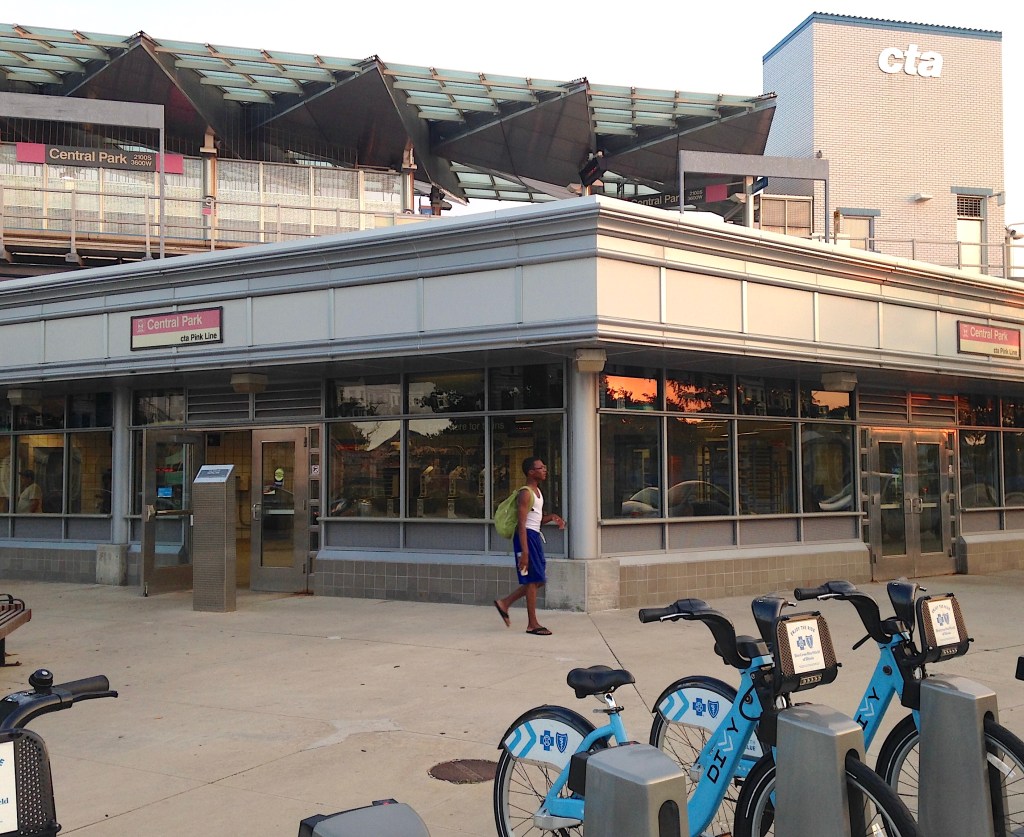

“Black Perspectives on Public Transit” is a new interactive website based on data collected through Chicago Metropolitan Agency for Planning and CTA surveys, along with community-based research. It’s described as “a mixed methods analysis of views… centered in North Lawndale to better understand the perspectives of Black residents.”
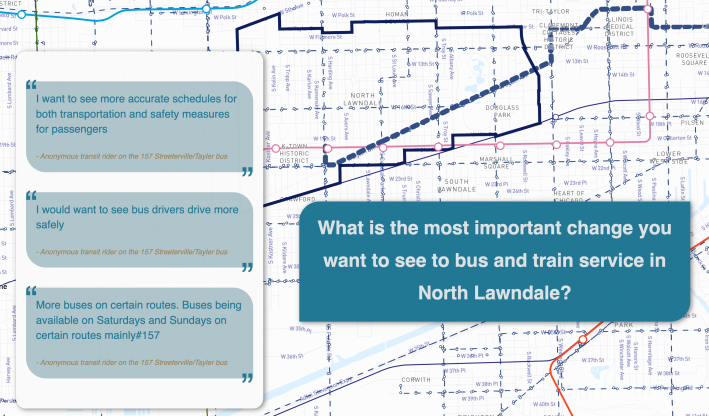
“It is critical to understand public transit ridership patterns and experiences in greater depth by race and place to improve public transit equity,” the site states. “Our quantitative analysis… demonstrates that Black transit riders… have the longest trips and are least likely to ride public transit as a preference. The interactive map below directly shares perspectives on the best and worst aspects of riding public transit from North Lawndale residents and riders, who emphasized safety, frequency, and reliability.”
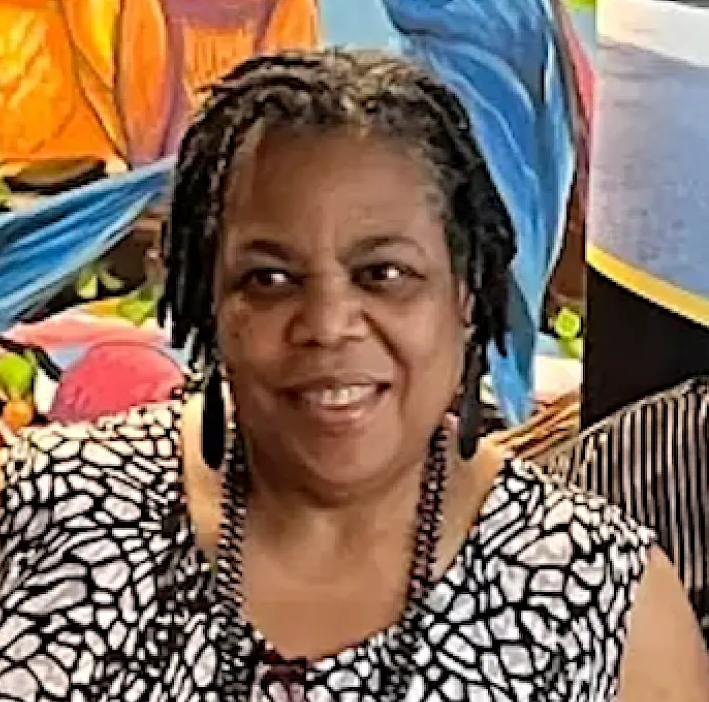
The principal investigator is Dr. Kate Lowe (University of Illinois Chicago) and the co-principal investigator is Dr. Gwendolyn Purifoye (University of Notre Dame). North Lawndale Community Coordinating Council Transportation Committee Chair Rochelle Jackson, the Center for Neighborhood Technology, and Equiticity are project partners.
Streetsblog recently sat down with Lowe and Purifoye to discuss their history with the project and their takeaways. This interview has been edited for clarity and brevity.
Cameron Bolton: How did you come together for this project?
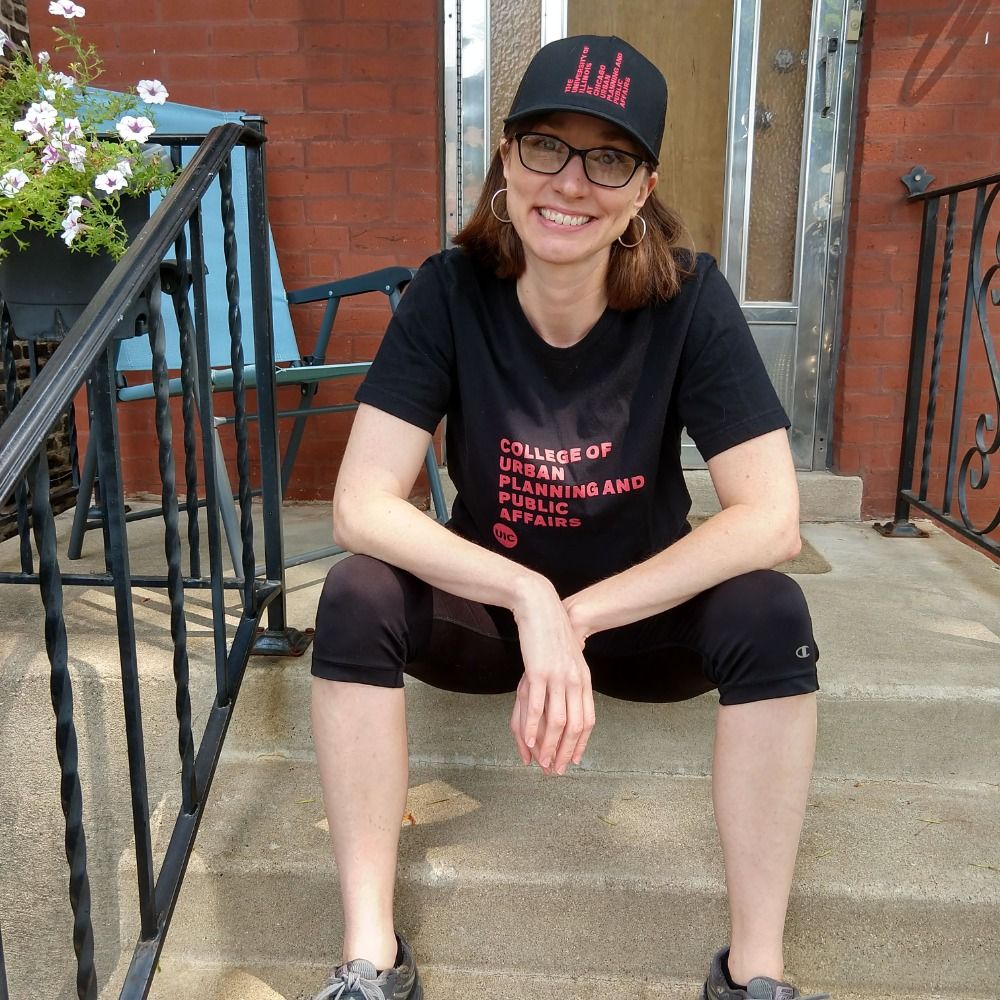
Kate Lowe: The project has been a long time in the making. We had known each other for a couple of years, and I had learned about Dr. Purifoye’s work… but not collaborated specifically yet. When this project started, we had another collaborative project, but that started and ended in the interim. So the Illinois Department of Transportation has periodic calls for research on public transit. I received that call and wanted to do something community-based and with a sociological lens, so I reached out to Dr. Purifoye and the other partners on this: CNT, Equiticity, and Ms. Jackson.
CB: How did you work with the community on this research?
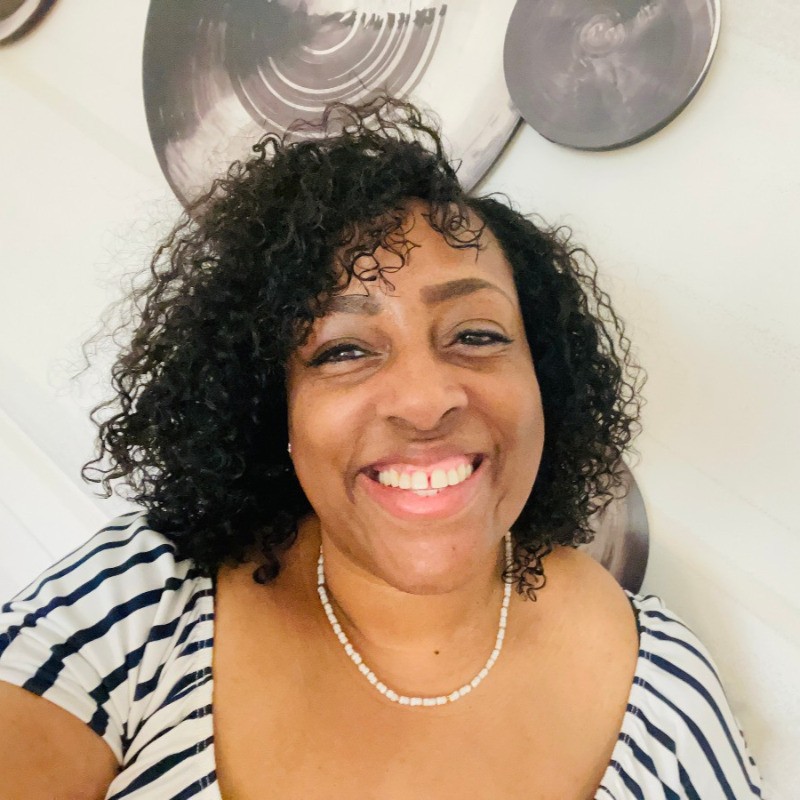
Gwendolyn Purifoye: It was really important for us from the beginning to center the voices of the people in the community that we had chosen to highlight in this project. And then that would mean actually being out there talking to them, but also inviting people to come together in a more organized way to ask them a series of questions. So the goal was to conduct and complete 14 focus groups, with about seven to eight people in each focus group, and we did all those via Zoom so that it would give people more options for participating in them, and also allow us to do some back-to-back as well, quickly.
[Dr. Purifoye later clarified, “We aimed for seven to eight people in each group but the actual numbers were one to ten in each group. We conducted 14 focus groups in all.”]
We started the focus groups in the fall of 2024 and completed them in the summer of 2025. We want to introduce you to people who commute within North Lawndale, and those who go outside of North Lawndale, regardless of age, and regardless of how many times they travel, and even if they were still extremely active, but to really gauge and to get that perspective.
CB: Once you got all your data back and the research was done, was there anything that stood out to you?
GP: The amount of energy that people have to spend to get to where they need to go. I mean, this wasn’t shocking to me, but how they discussed it, how aware they were of it, and how much it impacts their lives. Because often we’re like, “Oh, are you satisfied with public transportation? Are you not?” And often the discourse is around reliability of it, as opposed to how people feel, the comfort level, and what’s embodied in that commute, whether it’s standing for a long time at a bus stop because there are ghost buses, and how physically exhausting it is to wait for a bus and then have to get on a crowded bus and when you couple that with having to either stay up for a long time at bus stops that tend not to have shelters, also dealing with noise pollution, possible disrepair of sidewalks where it’s not even comfortable to stand as well. So how all of that is compounded and really has impacts, especially for those who are commuting every day.
KL: I’ve long wanted bus service to get more attention in Chicago. You see so many iconic images of Chicago that show the ‘L’, but as a Streetsblog writer, I’m sure you know, more trips happen on the bus every day. So I’ve long thought about buses and rail service and inequity and representation, but one thing that stood out to me, based on the data, is that even when comparing bus trips, Black riders had the longest trips.
So it’s not just a question of Black riders disproportionately using the bus versus rail, which matters and is important, but even if you’re looking at bus service alone, Black riders had the longest trips, and white riders had the speediest. So it’s really important to talk about inequity, but also to acknowledge who has the most privileged experiences in Chicagoland, and I’m one of those people. I’m white, I live in Logan Square, riding transit is a really different experience for me, and the data bear out that even comparing rail to rail and bus to bus, there’s inequity.
CB: Now that your new website is up, what’s the main thing you’re hoping that people will take away from it?
GP: For me, the hope is that residents in the communities of North Lawndale will feel as if they’ve been heard, and that being heard may lead to more equity in their services, but also more comfort and consideration in their community.
KL: One of the challenges with research is that we started out talking about the timeline that this research was first proposed in, 2022, and now it’s 2026. Some of the data is older, but it still captures the reality at that moment, and I’m glad there have been service improvements. I’m really pleased about the high-frequency bus network.
So there have been some improvements, but I hope I can help residents see that they’re being represented and heard, and that this becomes a conversation starter for the continued work we all have to do. We’re not going to fix decades of inequitable investment in one year, and things like the high-frequency bus network and the Red Line Extension are really important, but the work isn’t done.
Check out the “Black Perspectives on Public Transit” website here.

On November 12, SBC launched our 2026 fund drive to raise $50K through ad sales and donations. That will complete next year’s budget, at a time when it’s tough to find grant money. Big thanks to all the readers who have chipped in so far to help keep this site rolling all next year! Currently, we’re at $13,395 with $36,605 to go, ideally by the end of February.
If you value our livable streets reporting and advocacy, please consider making a tax-exempt gift here. If you can afford a contribution of $100 or more, think of it as a subscription. That will help keep the site paywall-free for people on tighter budgets, as well as decision-makers. Thanks for your support!
– John Greenfield, editor

Streetsblog has migrated to a new comment system. New commenters can register directly in the comments section of any article. Returning commenters: your previous comments and display name have been preserved, but you'll need to reclaim your account by clicking "Forgot your password?" on the sign-in form, entering your email, and following the verification link to set a new password — this is required because passwords could not be carried over during the migration. For questions, contact tips@streetsblog.org.