Op-ed: Will Illinois lawmakers let Waymo “Move fast and break things” in Chicago?

Ellen Steinke is a Chicago-based writer, civic educator, and advocate for urbanism. As a guest op-ed, this piece does not necessarily reflect the opinions of Streetsblog Chicago staff.
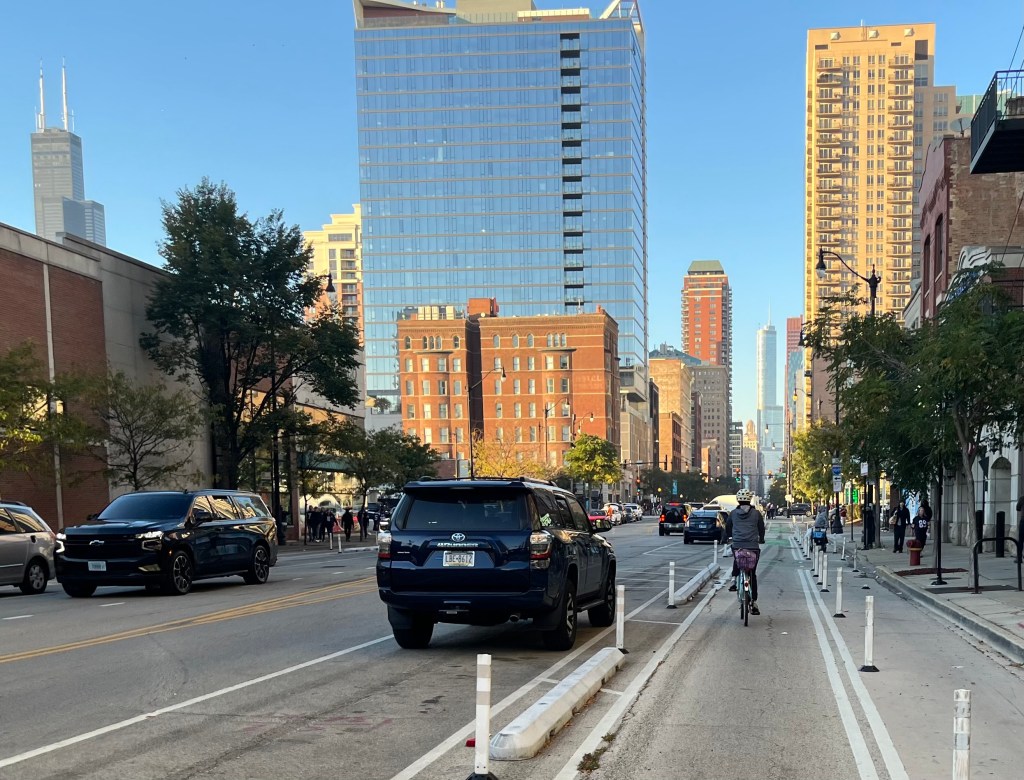
Silicon Valley popularized the philosophy of “move fast and break things”: Launch a product, see what fails, collect data, and improve it. But what happens when the product isn’t an app? What happens when it’s a two-ton vehicle sharing public streets with people walking and biking?
When software fails, the consequences can be serious. When a driverless car fails, they can be immediate and physical. And unlike someone testing an app, Chicagoans cannot opt out of sharing the road.
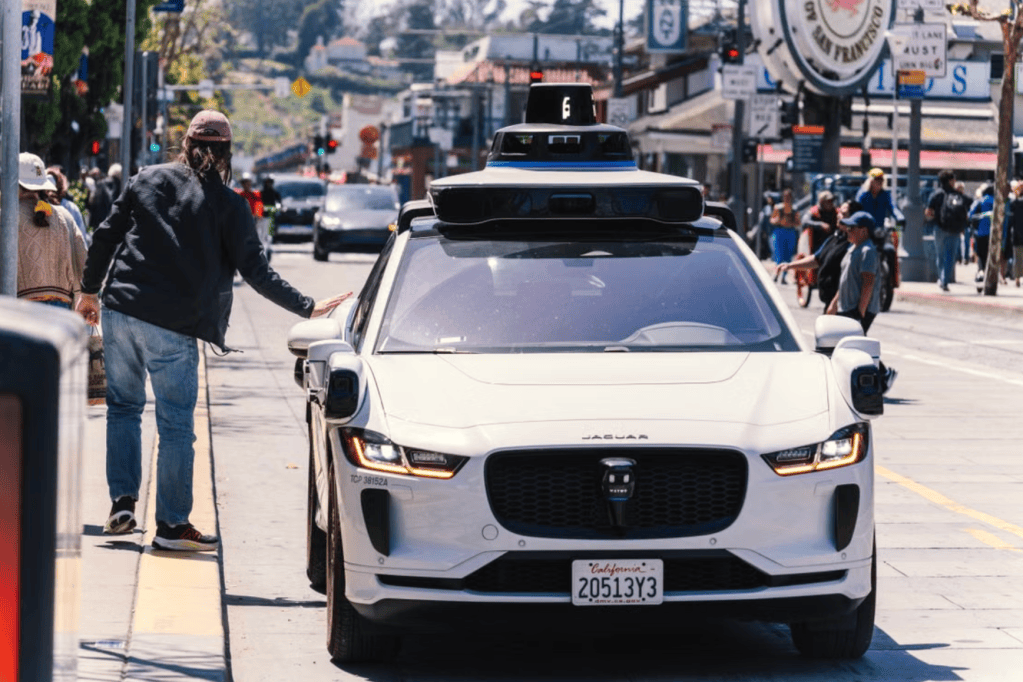
Owned by Google’s parent company Alphabet Inc., Waymo began mapping Chicago streets with human drivers in February. Fully driverless commercial service isn’t currently authorized in Illinois, but legislators are considering proposals that could change that as early as this fall.
Illinois House bill HB 4663, the Autonomous Vehicle Pilot Project Act would create a state-supervised framework for driverless operations. It’s sponsored by Rep. Kam Buckner, an architect of the Northern Illinois Transit Authority Act that passed almost a year ago, in a “Halloween Miracle” that revolutionized CTA, Pace, and Metra governance and funding. His colleague Sen. Michael Hastings introduced companion legislation, SB 3392.
Buckner has also urged the recently launched NITA agency to explore how autonomous vehicles might complement CTA, Metra, and Pace.
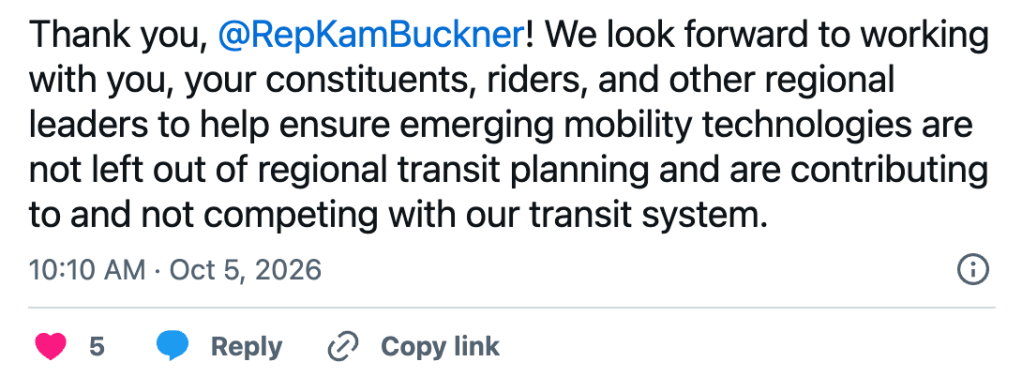
NITA responded to Buckner by saying emerging technologies should contribute to, not compete with, public transportation. Planning for that possibility is reasonable, but planning is not the same as giving technology companies a free hand.
Two provisions in HB 4663 deserve particular scrutiny. Section 45 would protect manufacturers from certain civil lawsuits involving data collected to develop autonomous vehicles. Section 50 would bar home-rule municipalities, including Chicago, from regulating the vehicles themselves. These are proposed rules, not current law, and they raise questions about whose consent and authority count.
Buckner also argued in tweet that autonomous vehicle technology is imminent and that Illinois should help shape its development. However, imminent doesn’t mean inevitable. NYC requires a human safety operator for AV testing, while the State of New York withdrew a proposal to expand commercial robotaxi services earlier this year. Illinois also has choices, not just about whether to permit driverless vehicles, but which safety, privacy, and accountability standards to require.
Are Chicagoans becoming involuntary test subjects?
Buckner has described the legislation as a controlled pilot intended to gather Illinois-specific data before broader deployment. But gathering data through real-world testing raises important questions about research ethics and public consent.
I previously worked in clinical and psychological research, where protecting human subjects is a fundamental ethical responsibility. Regulated studies often require institutional review board approval, informed consent, and assessment of foreseeable risks.
Commercial autonomous vehicle testing isn’t automatically governed by those rules. Still, shouldn’t comparable ethical principles inform the use of public streets to develop potentially dangerous technology?
Self-driving cars don’t necessarily retrain themselves during every trip. But Waymo describes using real-world driving data to identify problems, improve its models, and evaluate changes. Our streets are therefore part of the development process.
Passengers choose to hail a Waymo. Other road users do not choose whether to encounter one, even though they can be affected by its decisions. Individual consent from everyone on a street is impractical; that’s precisely why independent oversight and meaningful public input matter.
What about Chicago’s winters?
A July study by the Insurance Institute for Highway Safety found Waymo driverless vehicles had 68 percent fewer police-reportable crash involvements per mile than human drivers in comparable locations. This is encouraging evidence, although researchers cautioned that federal crash-reporting systems need improvement as deployment expands.
However, those study findings came from Phoenix, San Francisco, Los Angeles, and Austin, not Chicago. And our city has substantially different winter weather conditions than those places, including black ice, freezing rain, snow-covered lane markings, and streets narrowed by plowed snow.
Waymo has tested in Detroit and Michigan’s Upper Peninsula, but its fully driverless Detroit operation only began this October, initially serving employees. It has not yet demonstrated a full winter of driverless passenger service there.
Illinois should require independently evaluated performance under local conditions before authorizing large-scale deployment. Chicagoans shouldn’t have to discover whether a system can handle a blizzard by becoming part of its learning curve.
What data can these vehicles collect and who can challenge it?
Waymo’s vehicles rely on cameras, radar, lidar, and other sensors. Its privacy policy describes collecting trip locations, routes, recordings, and other information, including circumstances in which information may be shared with law enforcement.
Trip histories can reveal deeply personal data, such as where someone lives, works, worships, or receives medical care. Riders do have some privacy controls, but bystanders who never enter the vehicle have far less say.
Under HB 4663’s Section 45, manufacturers processing broadly defined “evaluation data” (including images, audio, and sensor recordings) would be shielded from certain civil claims, even claims based on state consent requirements, provided they follow restrictions on identifying individuals and maintain appropriate data security. The Illinois attorney general would retain enforcement authority over those restrictions. This is not blanket immunity for crashes, but the proposed limitation on private lawsuits deserves explanation.
That question is already relevant in Chicago, as recent lawsuits against robot delivery companies Coco Robotics and Serve Robotics allege unlawful biometric data collection on Chicago sidewalks. Both companies deny the allegations, which remain unproven. While these cases don’t involve Waymo, they illustrate why residents need clarity about what machines record in shared spaces, and what remedies are available.
If lawmakers intend to narrow consent-based legal claims, they should explain why those protections are necessary and what safeguards replace them.
Innovation should serve the public
Robotaxis might eventually help people reach transit in areas with limited service. But their accessibility and public benefits should be demonstrated, not assumed. Waymo’s wheelchair-accessible service currently uses human-driven vehicles. Robotaxis can also occupy scarce curb space and generate empty vehicle trips. Cars are still cars, and they don’t move people as efficiently as a frequent bus or train.
HB 4663 doesn’t appropriate transit money to Waymo, but a state-supervised pilot would require public oversight. This raises two questions. Who pays for the state’s oversight of the pilot? And why should Chicago give up regulatory authority over vehicles using its streets in order for the pilot to take place?
As NITA begins its work, the region should remain focused on more time-efficient, frequent, and reliable bus and train service; accessible paratransit; and safer walking and biking connections. Considering new technology should not eclipse those priorities.
Before authorizing driverless pilots, Illinois lawmakers should require transparent safety reporting, independent evaluation in winter conditions, enforceable privacy protections, clarity about public costs, and meaningful local control.
Chicago’s streets are public spaces, not Silicon Valley laboratories. And Chicagoans are people, not data points or involuntary test subjects.

If you appreciate Streetsblog Chicago’s livable streets reporting and advocacy, please consider making a tax-deductible donation to support our work. Thank you!

Read More:
Streetsblog has migrated to a new comment system. New commenters can register directly in the comments section of any article. Returning commenters: your previous comments and display name have been preserved, but you'll need to reclaim your account by clicking "Forgot your password?" on the sign-in form, entering your email, and following the verification link to set a new password — this is required because passwords could not be carried over during the migration. For questions, contact tips@streetsblog.org.