NITA asks riders to help shape 2027 transit priorities at Union Station open house


Less than two months after officially replacing the Regional Transportation Authority, the Northern Illinois Transit Authority is asking riders what they want the Chicago region’s new transit system to become.
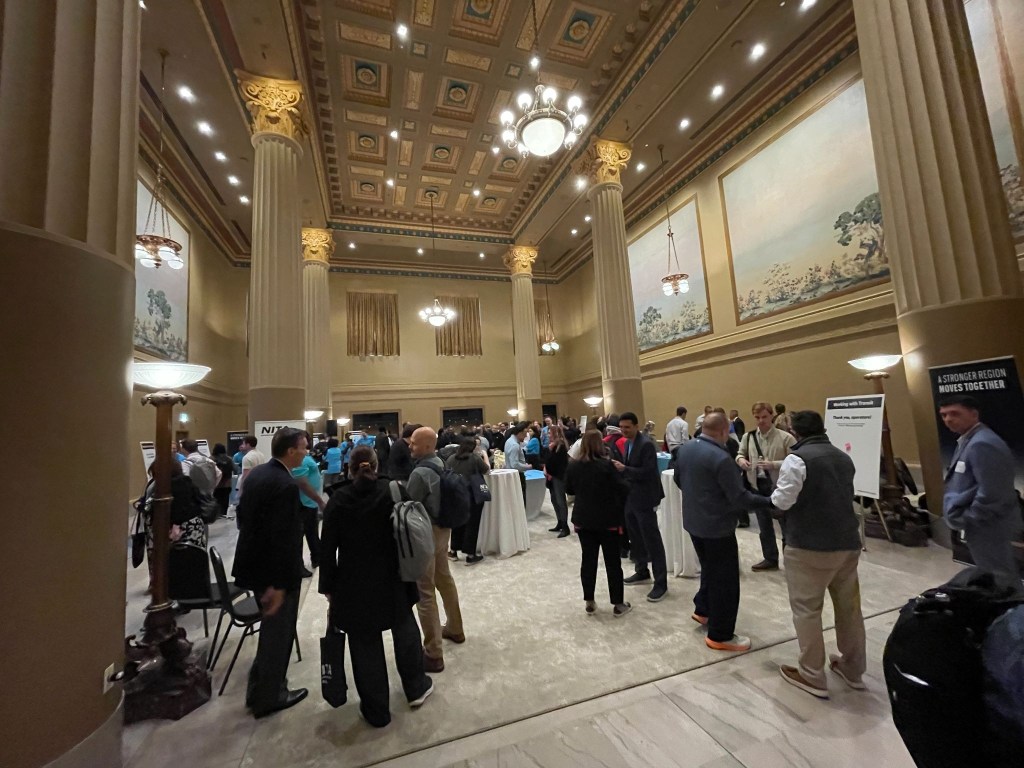
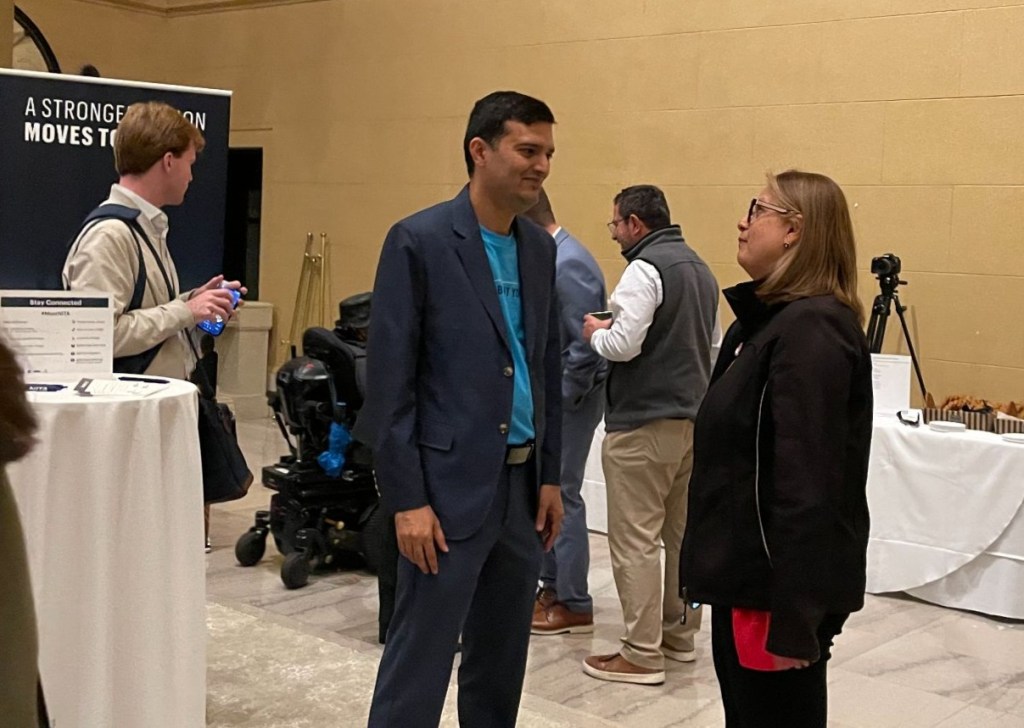
NITA hosted an interactive open house called “A Stronger Region Moves Together,” Wednesday afternoon in Chicago Union Station’s Burlington Room, bringing the CTA, Metra and Pace together for a session focused on transit service, safety, trip planning, and the rider experience.
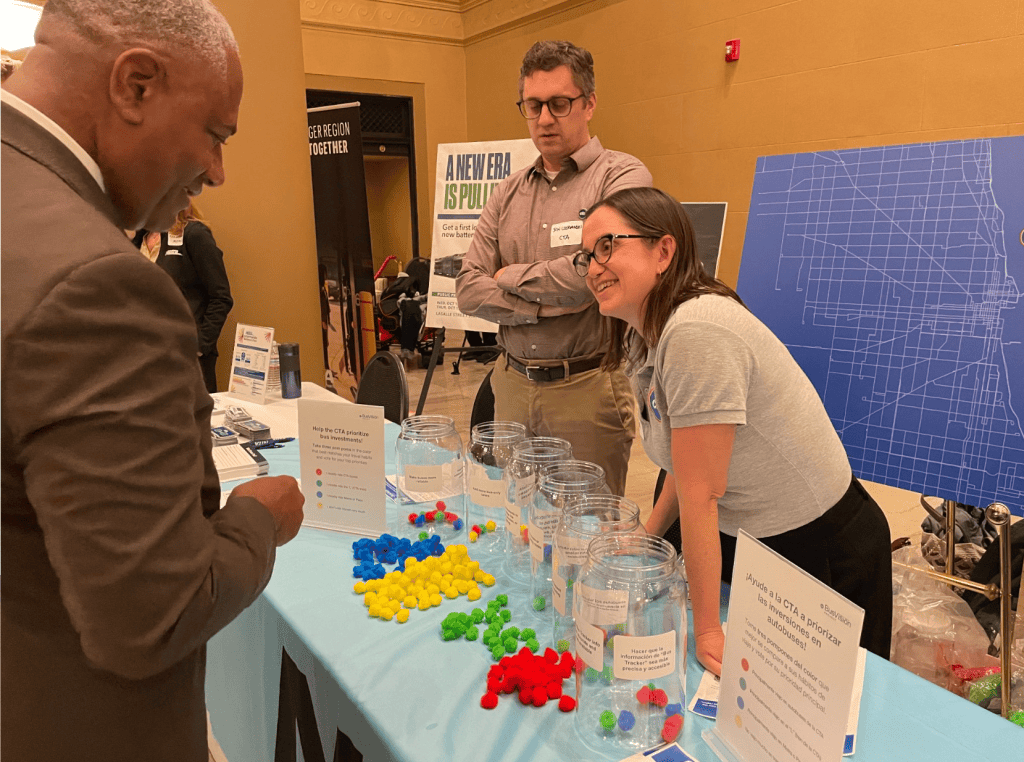
Instead of a presentation from a stage, attendees moved through stations, talked directly with agency staff, voted with stickers and “itty-bitty pom-poms,” and wrote suggestions across boards asking what works (or doesn’t work) about traveling around the region.
NITA Chief Transition Officer Maulik Vaishnav told Streetsblog that bringing the four agencies together in front of riders was an early priority for the new organization. “We knew one of the first things we have to do as NITA is get more of the regular riders and the public to hear about it, get to know us, [and] show up together as four agencies before we put together our proposed budget,” he said.
NITA officially began operations on September 1, replacing the RTA and taking on expanded responsibilities for issues including regional service coordination, fares, public safety, capital investment, and oversight of CTA, Metra, and Pace. The transition is expected to continue over several years.
Wednesday’s open house divided that broad mandate into several stations that included meeting NITA, planning a trip, transit in the community, safety, regional service, working with transit, and a community vision wall.
Some exercises focused on the basics of everyday travel. A “Planning Your Trip” board asked riders how transit could be improved for trips to work or school; shopping and appointments; visiting friends and family; and recreation.
Elsewhere, the CTA’s Bus Vision team asked attendees to allocate the colored pom-poms among possible transit improvements such as more reliable service, additional bus-only lanes, and improvements to bus stops. Colors represented whether participants primarily rode buses, the ‘L’, Metra, or Pace, or rarely used transit.
NITA says it ultimately wants riders to encounter a more seamless system, including better coordination of maps, signs, schedules, real-time information, fares and transfers across CTA, Metra and Pace.
The open house also looked beyond buses and trains themselves. At a “Transit in Your Community” station, attendees voted on what they wanted more of near transit, with colored dot stickers accumulating next to options including affordable housing; better walking and biking connections; public spaces and community amenities; jobs; shops; and green space.
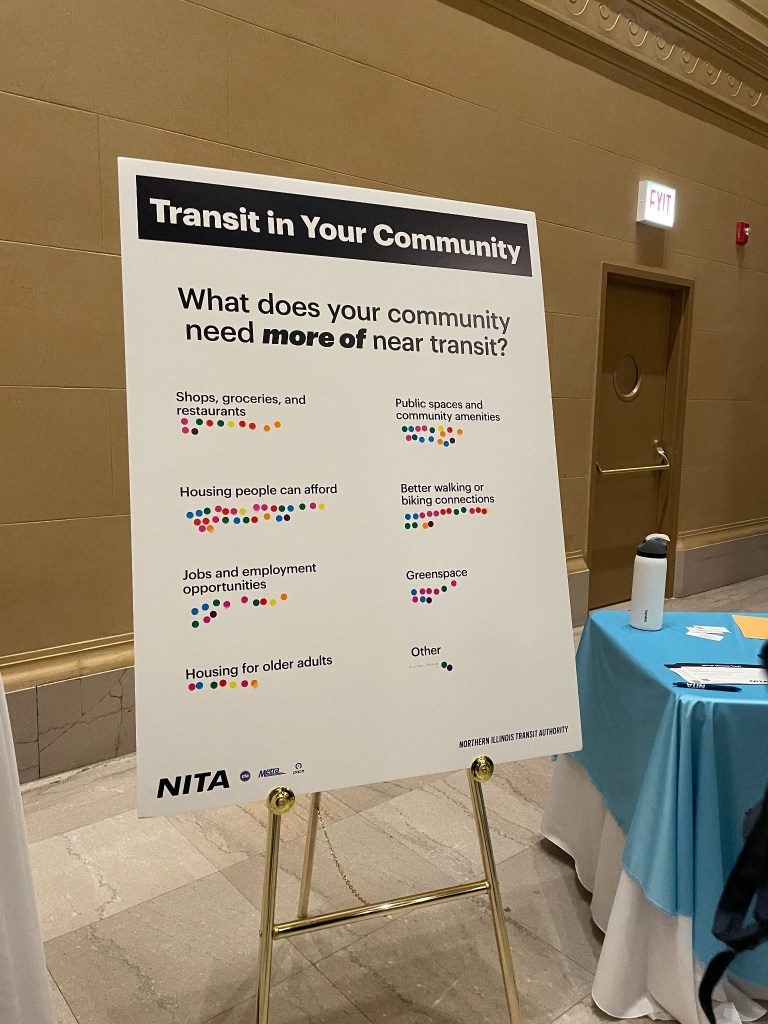
That reflects another piece of NITA’s expanded role. The agency is responsible for programs that support pedestrian and bicycle access to transit, and transit-friendly land use. And the agency is exploring ways to use publicly owned land near stations for development.
Safety was another major topic. Attendees left suggestions on a “Ride with Confidence” board asking separately what would make them feel safer at stations and stops and aboard buses and trains.
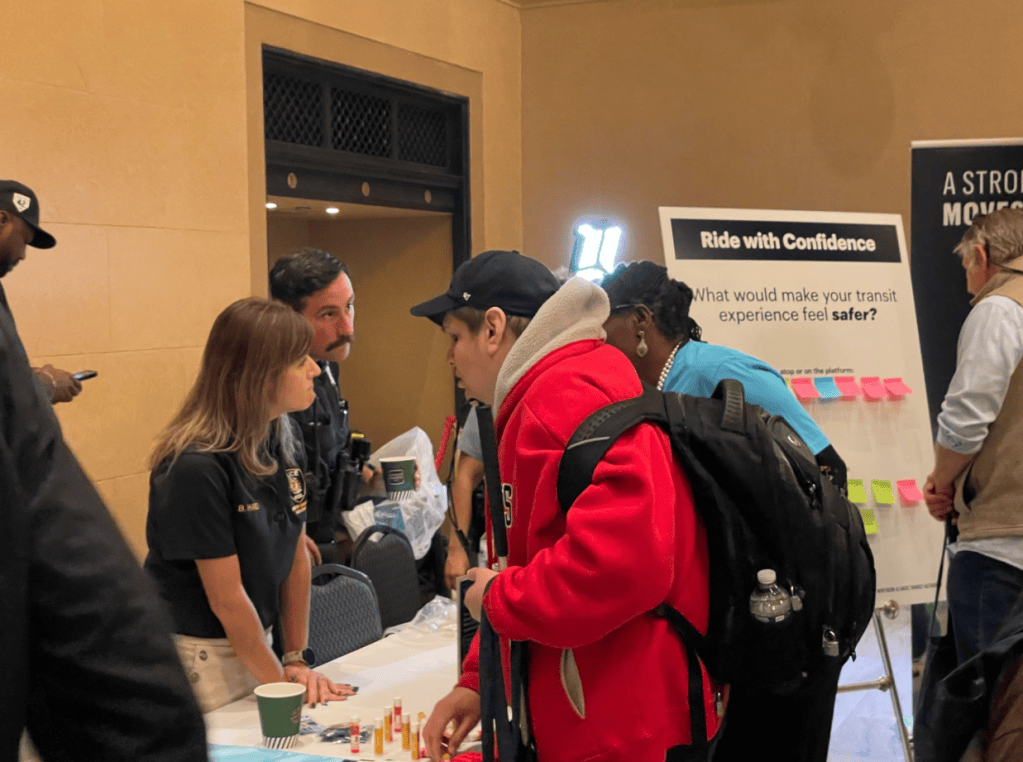
NITA’s new responsibilities include establishing an Office of Transit Safety and Experience; developing a regional transit ambassador program, improving coordination with law enforcement and community organizations; and exploring common ways for riders to report problems across the system.
Nearby, another board asked riders to leave thank-you notes for bus and train operators, and other frontline transit workers.
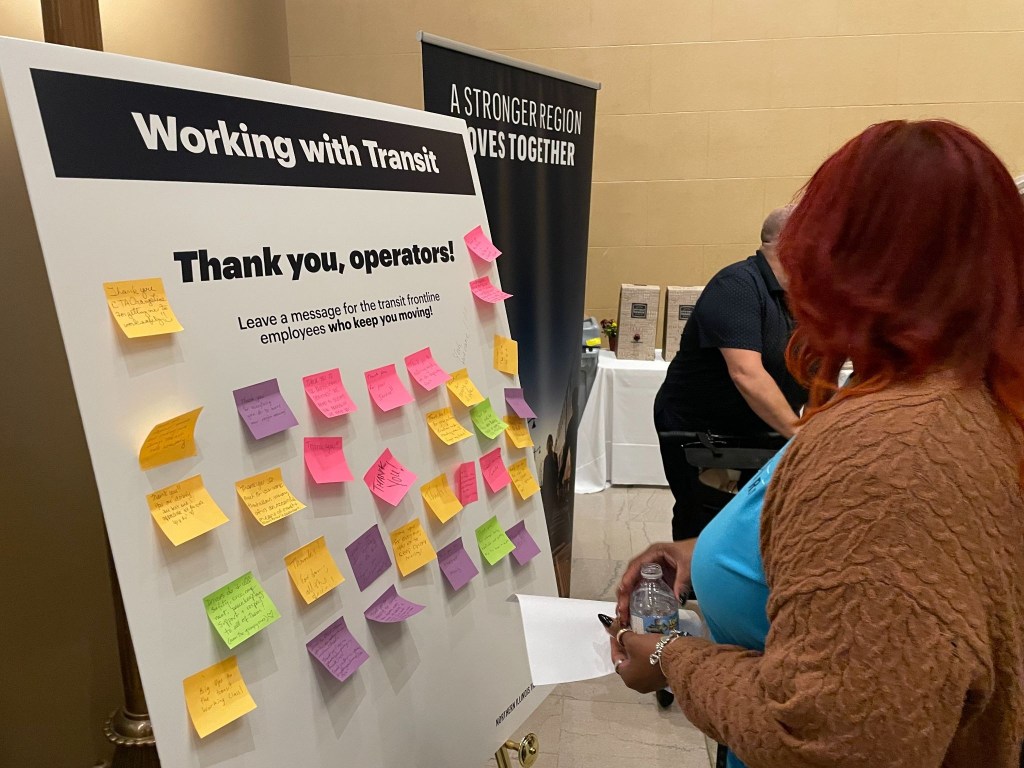
The board full of thank-you notes to essential CTA employees.
The agencies also used the event to show off planning work already underway. The CTA is developing its Bus Vision Project. Metra recently released a draft of a Systemwide Network Plan aimed at a transition toward more frequent all-day regional rail. And Pace is nearing completion of ReVision, its redesign of suburban bus service. NITA describes the three efforts as separate plans moving toward a common goal: more frequent, useful ,and connected regional transit.
Pace Executive Director Melinda Metzger told Streetsblog the agency is reevaluating its network around travel patterns that changed dramatically after the pandemic. The traditional model of large numbers of suburban commuters heading downtown in the morning and returning at night is no longer enough to shape Pace service, she said.
ReVision is moving toward a final draft, which Metzger said Pace hopes to finish by the end of the year. “Our goal is more frequent service, more weekend service, more late-night service, and coverage in areas that we don’t have service,” she said.
Metzger added she was encouraged by both the turnout at the open house,and conversations she had with riders. “Everybody who’s here is interested in transit, and everyone wants to make transit better,” she said.
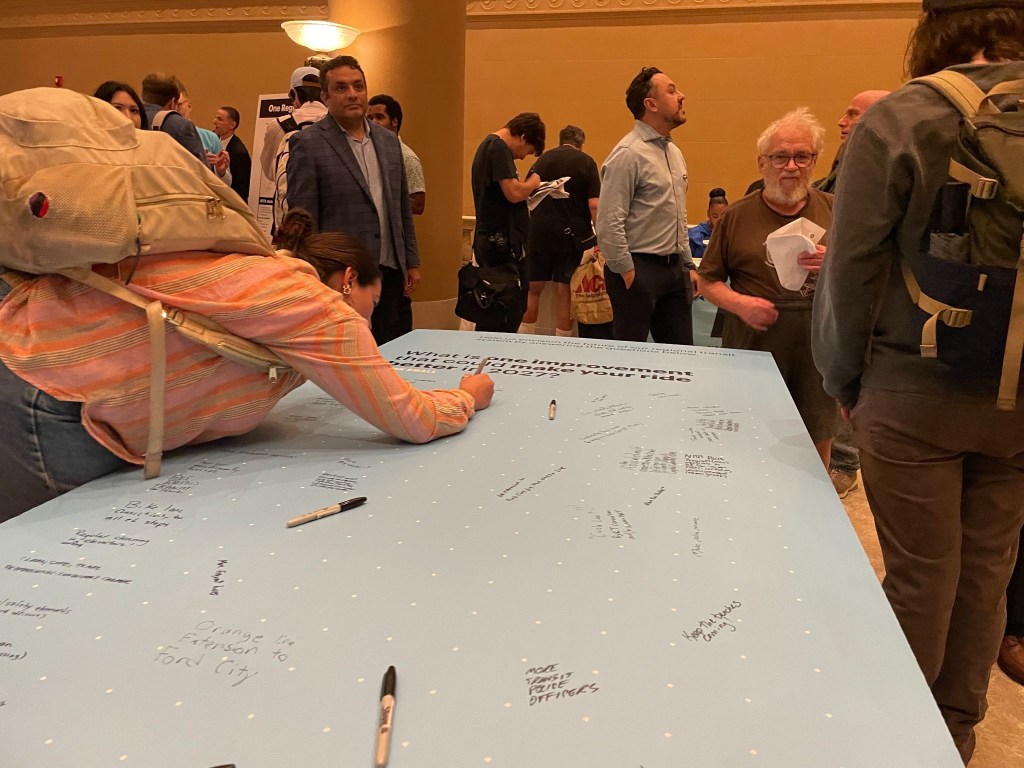
An attendee adds a suggestion to the Community Vision Wall, which asked what could make riders’ transit trips better in 2027.
For Vaishnav, the challenge is working on immediate rider concerns while simultaneously deciding what the new regional authority should become. “You have to make sure the day-to-day ride experience improves while we do the bigger stuff,” he said. Vaishnav added that NITA intends to incorporate some of the feedback from the event into its upcoming budget proposal while using broader comments to help shape the agency’s future.
NITA plans to release its proposed 2027 Regional Transit Budget on November 3, with adoption expected in December. Regional service standards are scheduled for development next year, followed by the agency’s first unified regional service plan in 2028.
People can also complete NITA’s online “What Moves You?” budget survey which is accepting feedback through end-of-day today. The agency says it has already received thousands of responses.
Wednesday’s gathering was only the beginning of a broader series of in-person and virtual engagement opportunities. The institutional transformation from four largely separate organizations toward a more coordinated regional system will take years. But in the Burlington Room, NITA was asking riders to start with considerably simpler questions: Where does transit work for you now, where does it fail, and what would make you use it more?

If you appreciate Streetsblog Chicago’s livable streets reporting and advocacy, please consider making a tax-deductible donation to support our work. Thank you!

Read More:
Streetsblog has migrated to a new comment system. New commenters can register directly in the comments section of any article. Returning commenters: your previous comments and display name have been preserved, but you'll need to reclaim your account by clicking "Forgot your password?" on the sign-in form, entering your email, and following the verification link to set a new password — this is required because passwords could not be carried over during the migration. For questions, contact tips@streetsblog.org.