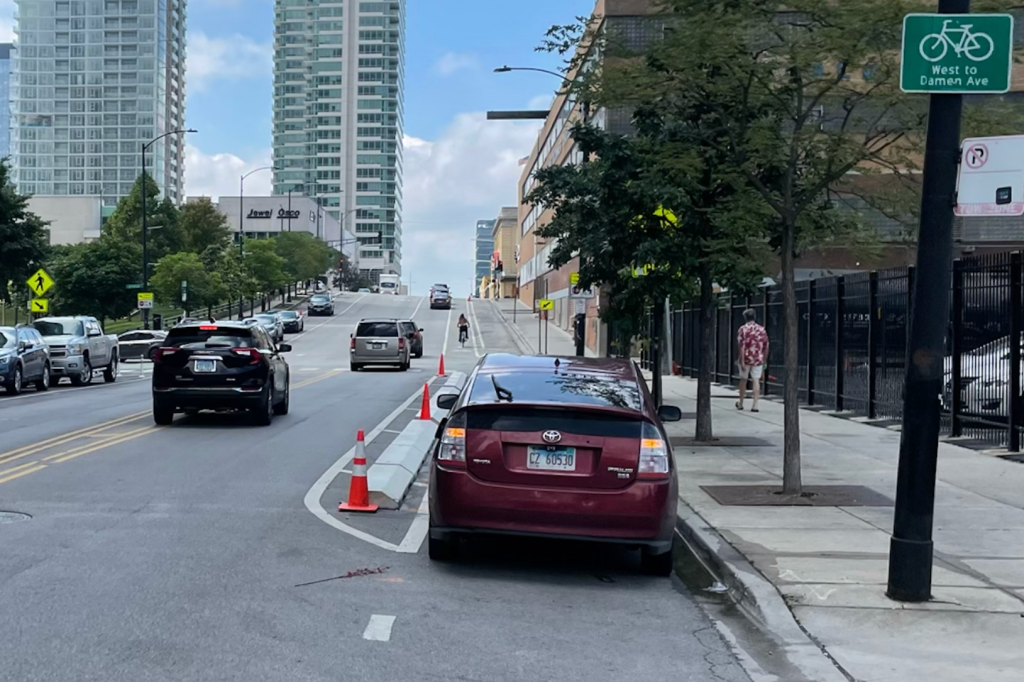
Asked by CTA Chair for a “bold” plan to increase ridership, chief innovation officer calls for “100-150 miles of dedicated bus lanes”

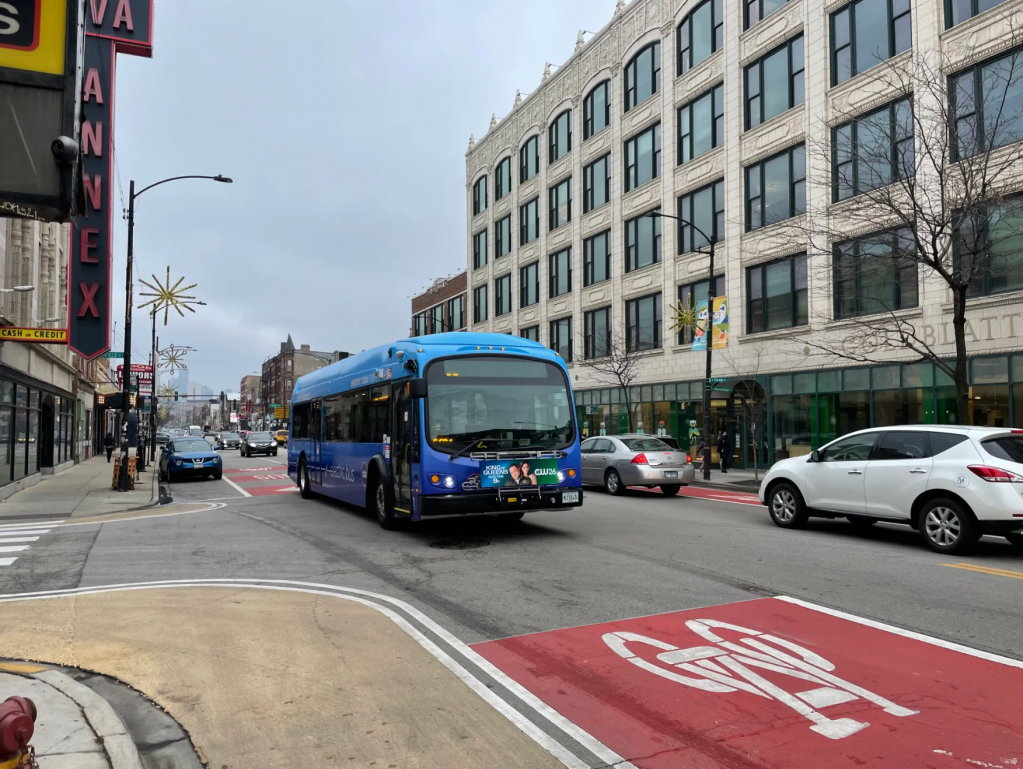

Admittedly, my previous coverage of Tuesday’s debut CTA board meeting under the Northern Illinois Transit Authority was a bit glass-half-empty.
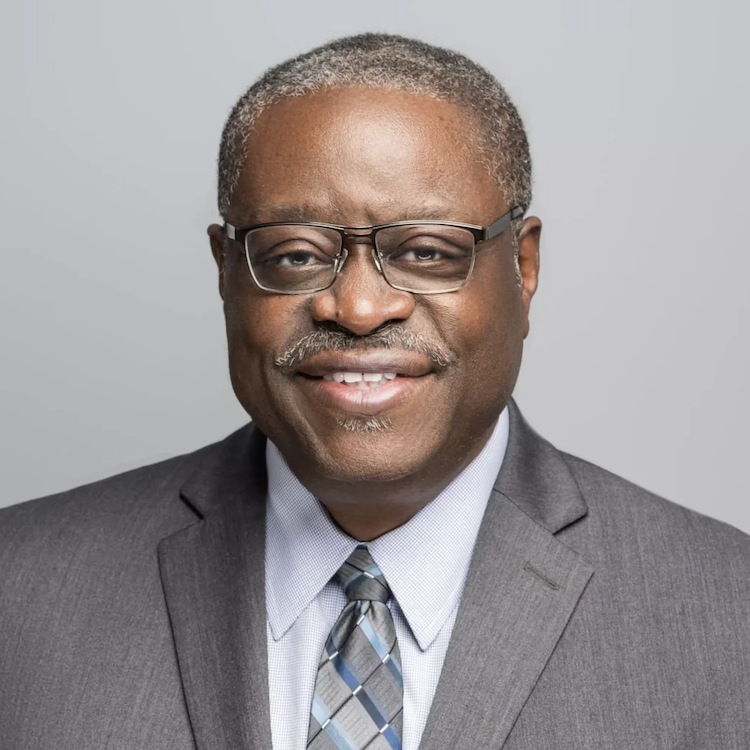
I focused on the fact that Lester Barclay, the chair of the old board – who wrote an anti-NITA Tribune op-ed last November, and whom most of Chicago’s transit-friendly alders voted against even appointing to the new board – was reelected board chair. At a time when our goal is supposed to be a Chicagoland sustainable transportation revolution, that was déjà vu all over again.
But I’ve spoken my piece about what a well-informed fellow transit advocate called “the stupidity of it all.” So from now on, I’ll try to keep an open mind about Chairman Barclay’s ability to turn over a new leaf during the NITA era.
So let’s move on to something very positive that was said on Tuesday. As it happened, Barclay was actually the catalyst.
In response to his question about a “bold” plan to increase transit use, CTA Chief Innovation Officer Molly Poppe spoke passionately about creating a robust regional network of dedicated bus lanes. Here’s a transcript of the exchange, edited for clarity and brevity.
(It was often difficult to tell who was talking from the CTA’s livestream, and Barclay was understandably misidentified in a widely shared social media post as fellow CTA Board Director Oswaldo Alvarez. However, a CTA spokesperson confirmed to me that it was Barclay who asked the question.)
Chairman Lester Barclay: Molly, I have a question. If you could do something bold… I mean, my idea after COVID was, let’s give everybody in the city a Ventra card and see if they’ll use them. Maybe [that was] a little bit on the edge. But nonetheless, if you could do something bold to increase ridership, what would you do?
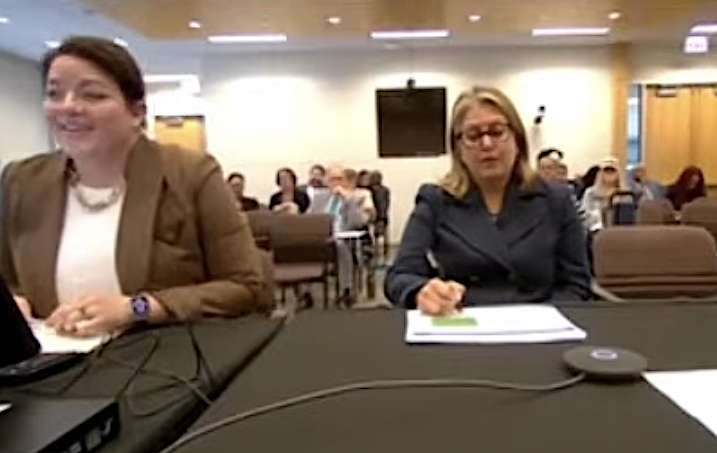
Molly Poppe: You know, what I would do bold is I would make a commitment as a region for how many dedicated bus lanes we want to see as a city or as a region. That would be a huge bold investment. As Acting President [Nora] Leerhsen talked about, we’re lagging behind most other major cities when it comes to dedicated infrastructure.
(“As a city, we are behind in that,” Leerhsen said earlier in the meeting. “There are about 15 bus lanes right now in Chicago. New York has over 140, San Francisco has 40 bus lanes. Los Angeles has 100, for example. So we’re lagging. There’s a ton of opportunity there for this new board and this new arena to focus on that.”)

New York City’s 14th Street Busway. Photo: Marc A. Hermann / MTA New York City Transit
And what you see here, I mean, bus ridership is crushing it. That’s what riders are saying. They want to use the bus. And if we want to think about moving people where they want to go, our network of rail makes sense [for trips] downtown. That is not what our bus network is set up for.
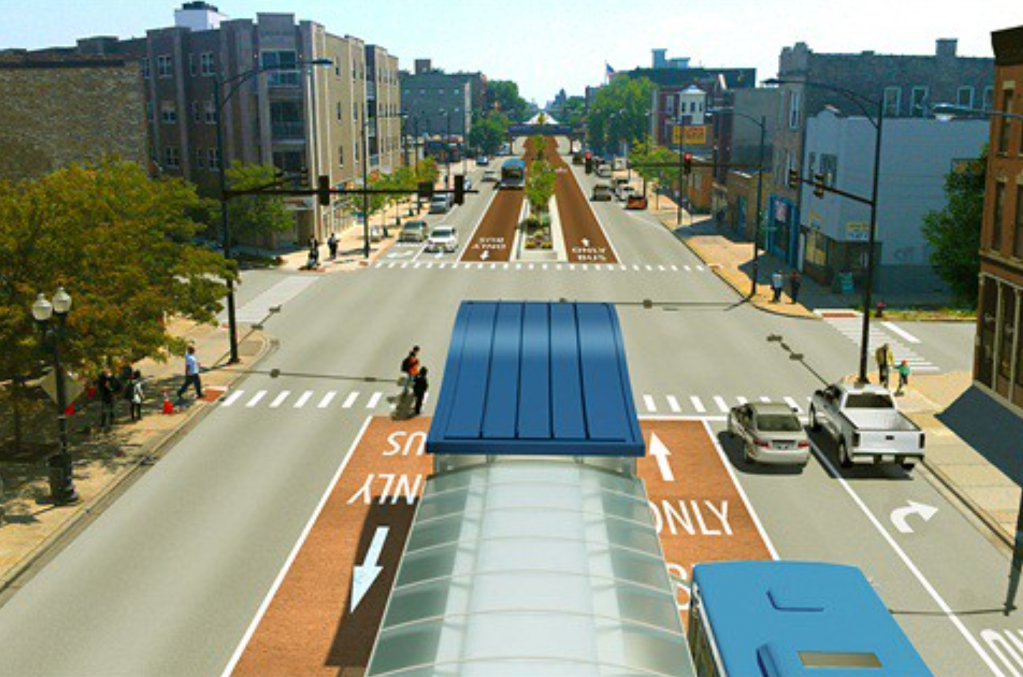
So I would say “bold” is, let’s set aggressive [goals of] 100 miles, 150 miles of dedicated bus lanes in the region, because that also will allow us to move people better and really start to set that priority [that] transit should be the way people can get around.
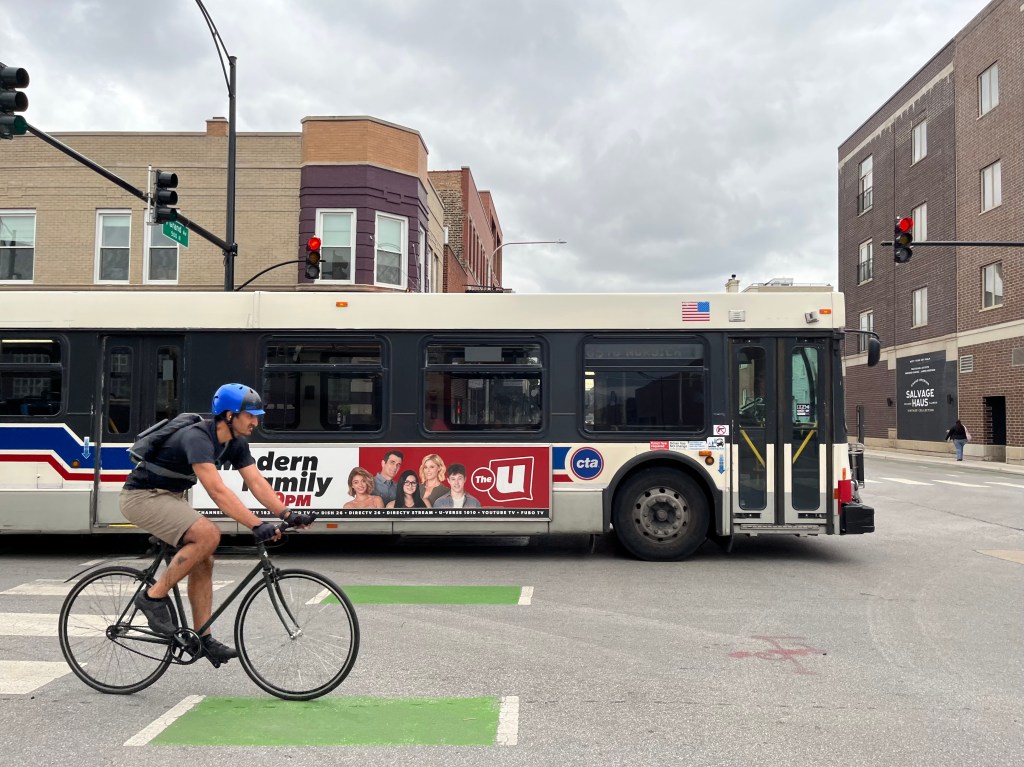
And until they see that street infrastructure, people still think transit’s an afterthought. They see all the bike lanes out, they see the green paint, and say, “Oh, there’s a priority for bikes”, and then they see that bus is shrinked over. That bus is the one that could be impacted.
So I think that would be something very bold. [I’m] probably going to get in a lot of trouble, Sir. [Laughs.] But that would be my that would be… my bold project.
CLB: Thank you. Take a vote! (Barclay was kidding here.)
[End of transcript.]
Of course, providing 100 to 150 miles of effective dedicated bus lanes is easier said than done. The City’s early 2010’s proposal to convert mixed traffic lanes on Ashland Avenue to create a bus rapid transit corridor was permanently shelved due to fierce opposition from some neighbors and merchants.
Recently, we’ve seen organized, sometimes politically motivated, protests against lane conversions for Complete Streets projects on Archer Avenue in Brighton Park and Grand Avenue in West Town.
As far as enforcement, as Acting President Leerhsen referenced during Tuesday’s meeting, in July the CTA board approved the expansion of the agency’s automated bus lane enforcement program. That means 46 more buses will get cams that can be used to issue tickets for illegally parking or standing in bus/bike lanes and bus stops.
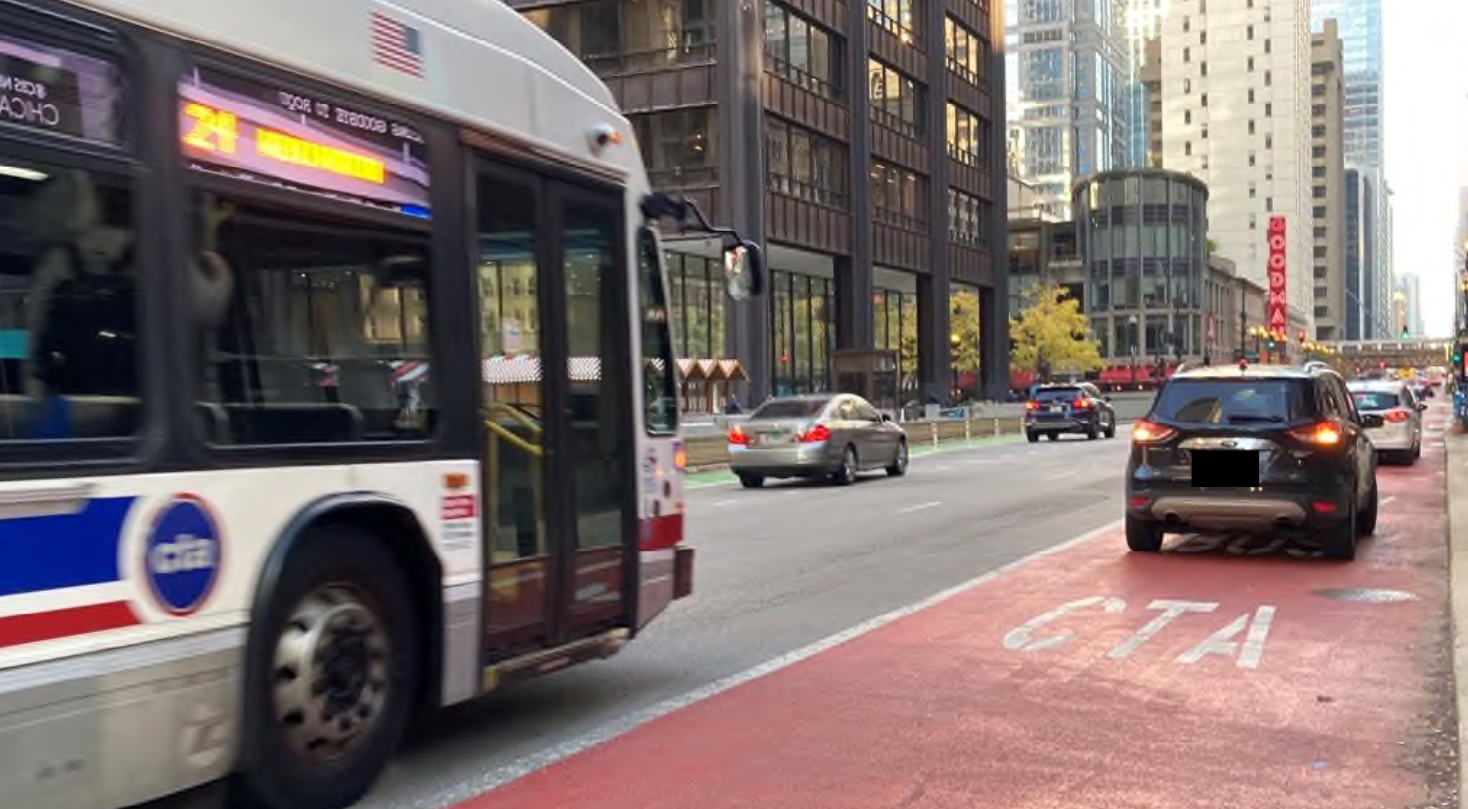
However, using automated enforcement to cite motorists who drive in the lanes would require new state legislation. Getting that passed shouldn’t be an impossible hurdle, but transit advocates have been talking about that for years, and it hasn’t happened yet.
Despite the hurdles to accomplishing the 100-to-150-mile goal, transit boosters have responded very positively to Molly Poppe’s remarks. Here are a couple of examples.


So it was certainly encouraging to hear a key CTA staffer give a strong endorsement of dramatically expanding Chicago’s dedicated bus lane network. And, note-to-self, let’s give Chairman Barclay a chance to be part of the solution during the post-NITA Act epoch.

If you appreciate Streetsblog Chicago’s livable streets reporting and advocacy, please consider making a tax-deductible donation to support our work. Thank you!

Read More:
Streetsblog has migrated to a new comment system. New commenters can register directly in the comments section of any article. Returning commenters: your previous comments and display name have been preserved, but you'll need to reclaim your account by clicking "Forgot your password?" on the sign-in form, entering your email, and following the verification link to set a new password — this is required because passwords could not be carried over during the migration. For questions, contact tips@streetsblog.org.