Friends of the Crosstown Trail marks a year of progress

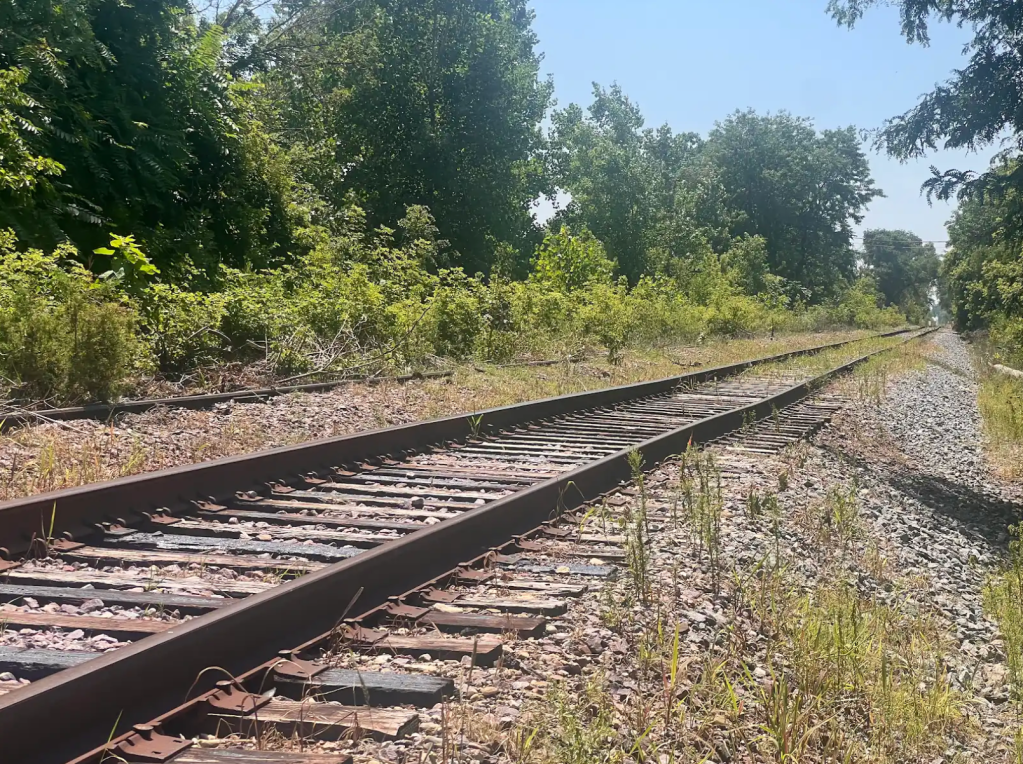
The proposed Crosstown Trail is one of the most intriguing urban planning projects on Chicago’s Northwest Side. Advocates hope to transform an underused rail corridor into a long, linear public park and multi-use path for walking, running, bicycling, and neighborhood gatherings.
The effort is being led by the advocacy group Friends of the Crosstown Trail, a coalition of Northwest Side residents working with neighbors, nonprofits, and public officials to advance the idea and build public support. The group, founded by George Witchek and Jim Franke, describes the project as a neighborhood-led vision inspired in part by the success of The Bloomingdale Trail, aka The 606, and other rails-to-trails conversions. They had identified an underused rail line in the area, that could, if repurposed, provide an all important link to the North Branch Trail System and the planned Weber Spur Trail at the north end, as well as a connection to the Bloomingdale trail to the south. The proposal calls for creating roughly a 3.2-mile trail running from Cortland Street to Montrose Avenue, generally about two blocks east of Cicero Avenue, near Kenton Avenue. Supporters estimate it could create roughly 40 acres of new green space.
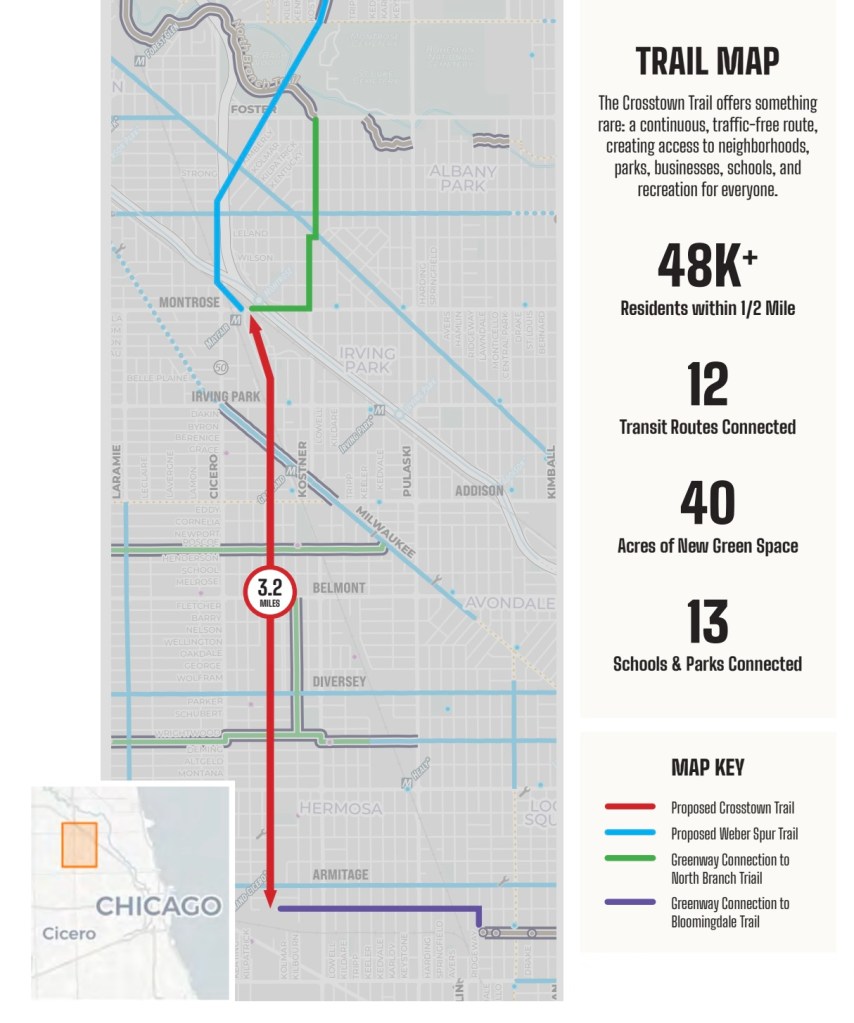
The name for the Crosstown Trail comes from the 1960s and 1970s, when the corridor was considered for the proposed Crosstown Expressway, a major north-south highway that would have dramatically reshaped many Chicago neighborhoods. Community opposition helped stop the expressway, leaving the rail corridor as one of the city’s most unusual pieces of undeveloped transportation infrastructure. Today, supporters argue the route offers a second chance to create an amenity for people instead of cars.
Advocates say the trail would:
* Create safer, car-free routes for school children, commuters, and recreational cyclists
* Increase access to parks in neighborhoods that have limited open space
* Connect Northwest Side communities
* Encourage walking, biking, and lower-carbon transportation
Friends of the Crosstown Trail’s promotional video.
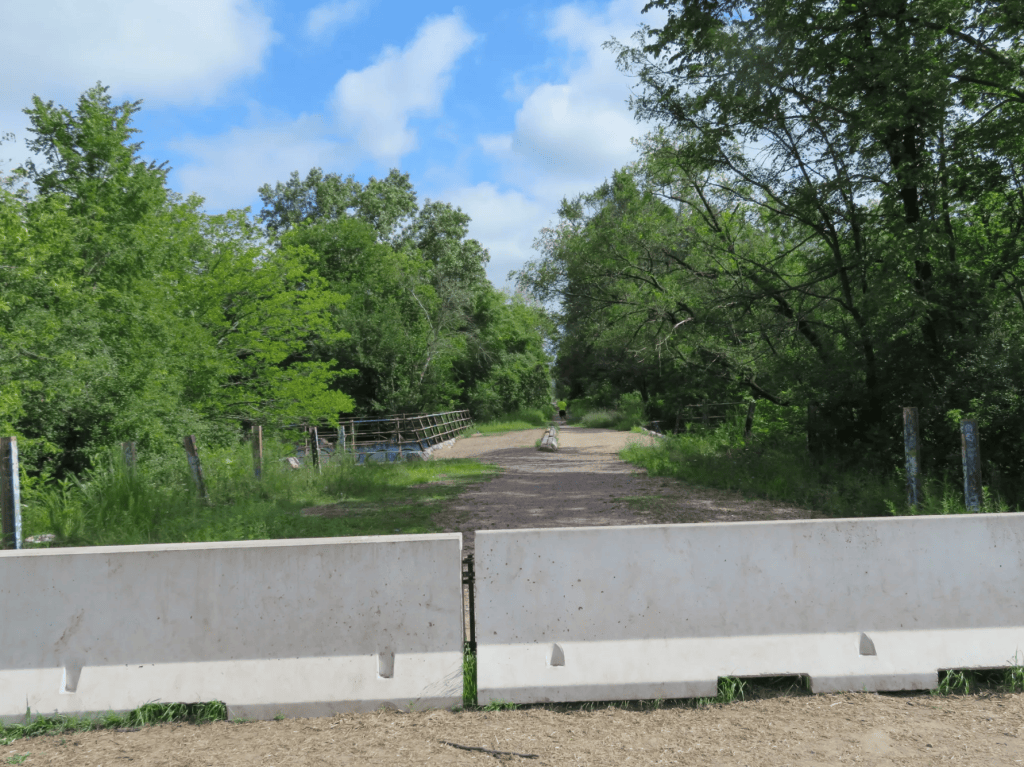
However, the project is still in early stages and faces some major hurdles. Chief among these is the fact that the rail corridor is not simply an abandoned space; it still is used by one customer, Alpha Baking Co., and is owned by Union Pacific Railroad. The City of Chicago would need to study feasibility, funding, design, environmental issues, and community concerns. Like many large infrastructure projects in Chicago, it could take years or even decades to move from concept to construction.
“It is a bit of a disadvantage that it is currently active, but the advantage of that is that it’s structurally sound enough to move something, to move freight,” Witchek noted. “And that means it’s structurally sound, which can be huge savings from a construction standpoint.”
Ald. Ruth Cruz (30th), whose district includes a mile of the corridor between Irving Park Road and Belmont Avenue, provided the following statement:
I am excited about the prospect of the Crosstown Trail! It not only has the potential to connect neighborhoods and other existing and future trails on the Northwest Side, but also to serve as additional active and passive recreation space that is sorely needed in this part of the city. We also have an opportunity to learn from the experience of the Bloomingdale Trail (606) and ensure that even stronger protections against gentrification and displacement are in place prior to the Crosstown Trail’s opening.
At the same time, we want to preserve existing businesses like Alpha Baking in the city. Naturally, the company has to have to have some way of receiving the ingredients they need. Closing the active train line to convert it into a trail would mean those supplies traveling by truck instead, and increased truck traffic could negatively impact residents if not handled very sensitively.
Many issues still need to be given careful though and resolved on the way to the finish line for the Crosstown Trail, but I am confident that we will be able to solve them and someday inaugurate a terrific new recreational asset for the Northwest Side.
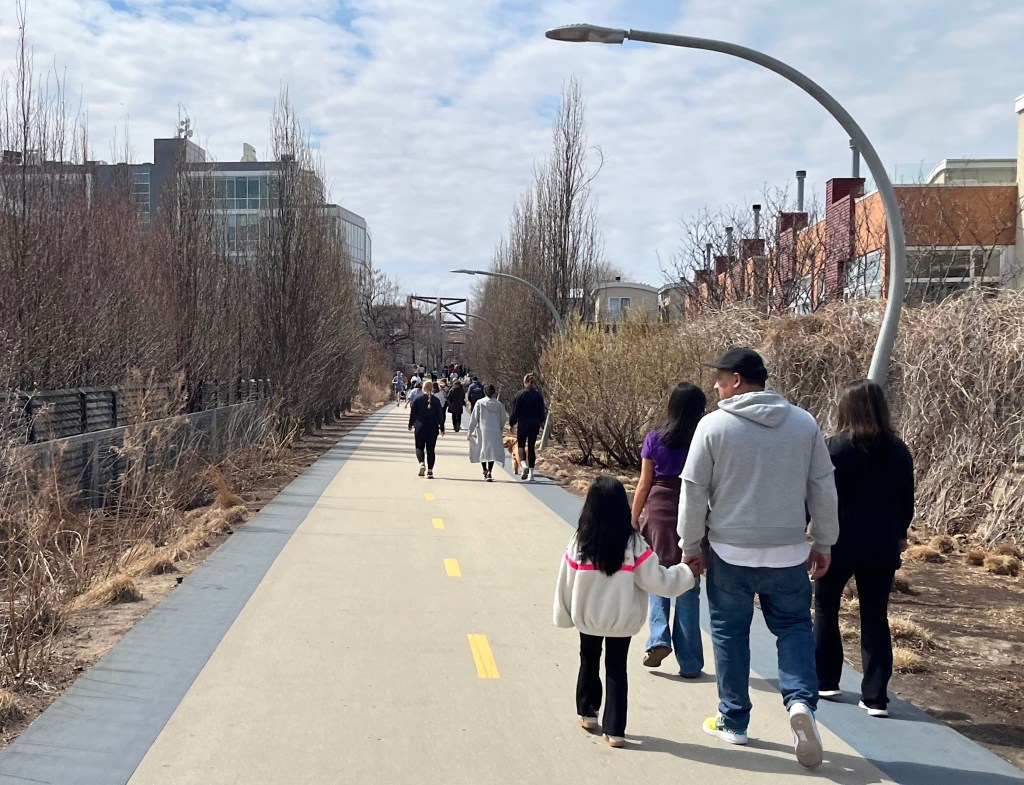
Some critics have expressed environmental concerns over the potential impact of switching the flour deliveries to trucks. As with the Bloomingdale Trail, others question the wisdom of converting a rail line that could possibly be used for future transit projects.
Witchek says he’s aware of these concerns. “If we look at the Bloomingdale Trail, It has 1,200,000 annual riders, which makes it one of the top ten busiest rails-to-trails in the entire country,” he said. “And we know that a lot of those are cyclists. That means that they’re using the trail for transportation rather than potentially a car.”
While the advocates are concerned about potential environmental impact, they argue it would be offset by the reduction of motor vehicle traffic, as well as all of the greenery added from landscaping the berm. “We think the berm is one of the coolest parts about all of this,” Witchek said.
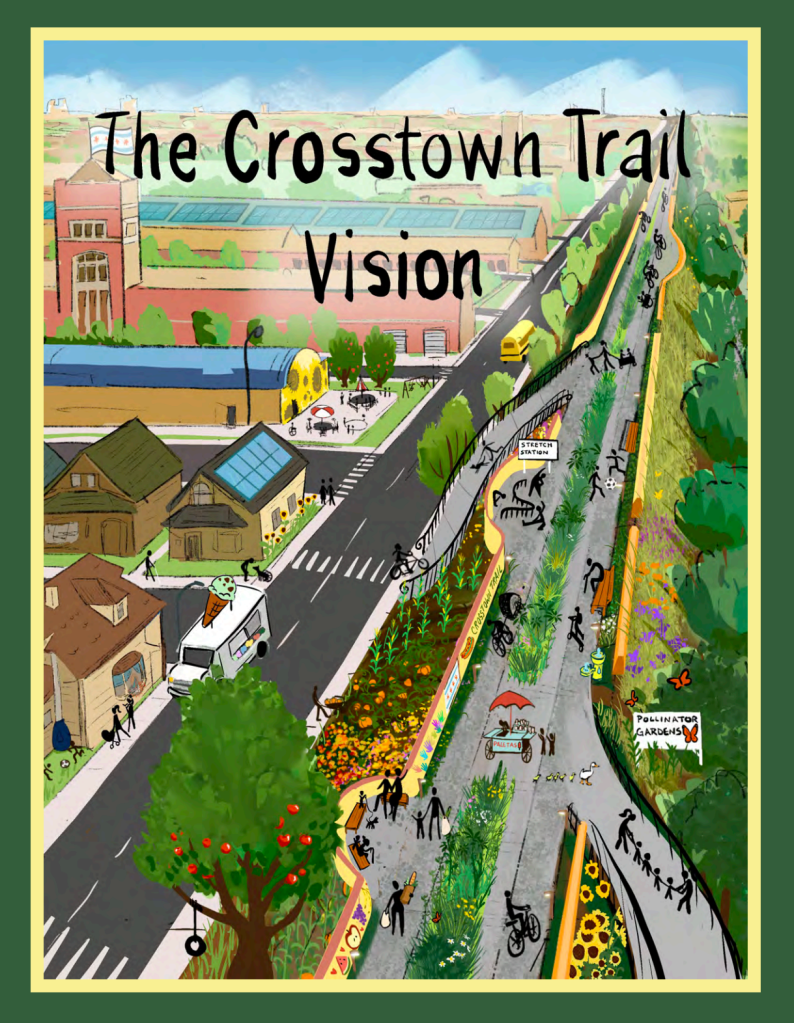
He added that there were several major achievements in Friends of the Crosstown Trail’s first year, from forming a 501(c)3 nonprofit, to hosting a community town hall, to publishing the group’s vision document, which multiple people helped create. Witchek emphasized that right now there are two things community members can do to help make the trail a reality. The first is for interested parties to sign an online “Petition to Transform Underused Railroad Tracks into a Vibrant Pedestrian Path.” Being able to demonstrate local residents interest in building the trail is key to moving the project forward, he noted.
The second way to help is by volunteering for a walkability study that Lurie Children’s Hospital is conducting on FOTCT’s July 19 in the Kelvyn Park neighborhood, which runs along the rail corridor. The Lurie team will need volunteers from noon to 3 p.m. that day. After an orientation, the volunteers will be asked to make observations about walking conditions in the area, either by writing the data down or entering it in an app. The observations could include, “such things as, how are people driving?” Witchek said. “Are they stopping at stop signs? Are there a lot of cracks in the sidewalk?” The Lurie team will then take all of the data and write up the walkability study.
Both the petition and the walkability study will provide the FOTCT with the community support and data they need to engage in talks with Union Pacific and Alpha Baking.
Check out “The Crosstown Trail Vision” document here.
You can sign the petition here.
Contact the advocates directly to ask how you can get involved here.
Maura Collins is a lifelong Chicagoan who grew up in Belmont Cragin and now calls Norwood Park home. She’s passionate about efforts that make Chicago more beautiful, welcoming, and accessible for everyone who lives here.

If you appreciate Streetsblog Chicago’s livable streets reporting and advocacy, please consider making a tax-deductible donation to support our work. Thank you!

Streetsblog has migrated to a new comment system. New commenters can register directly in the comments section of any article. Returning commenters: your previous comments and display name have been preserved, but you'll need to reclaim your account by clicking "Forgot your password?" on the sign-in form, entering your email, and following the verification link to set a new password — this is required because passwords could not be carried over during the migration. For questions, contact tips@streetsblog.org.