Riley O’Neil’s friend: “I’m grateful I knew him”
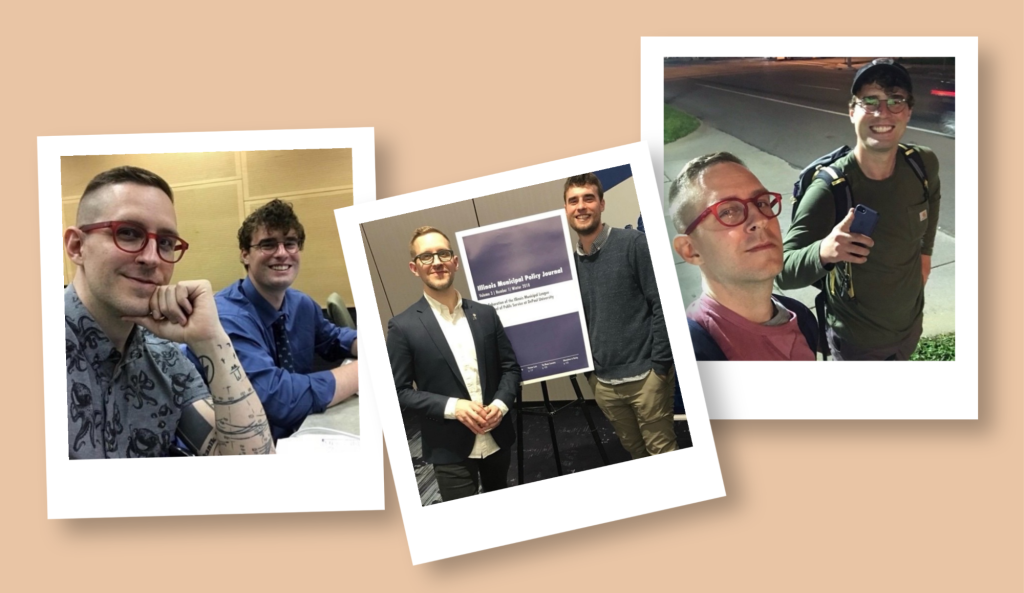
Note: In 2018, Streetsblog Chicago reported on a study of dockless bike share by Brandon Bordenkircher and Riley O’Neil.
My friend Riley O’Neil was killed while riding his bike in Chicago on Friday, June 5.
I met Riley at DePaul University in 2016, and the first thing I noticed about him was that he was kind. I never once heard him say anything negative about anyone. The second thing I noticed was how sharp he was when it came to transportation. He understood cities, systems, and movement in a way that felt instinctive. The third thing was that he didn’t just work hard – he loved the work and believed in providing more infrastructure for Chicago city cycling.
We spent long hours together over the years. I was ten years older than Riley and have children, so it was funny that he once called me “Dad” by mistake. I also remember the joy he exuded each time I told him one of my kids learned how to ride a bike.
Riley dedicated his career to making Chicago’s streets safer and more welcoming. His work at the Chicago Department of Transportation will shape the city for years to come, especially now that the bike parking he helped install are being named in his honor.
The best way to honor Riley is not just to remember him, though he deserves to be remembered. It’s to continue the work he cared so deeply about. To keep fighting for streets where people can move safely. To keep building cities that value human life over speed and convenience.
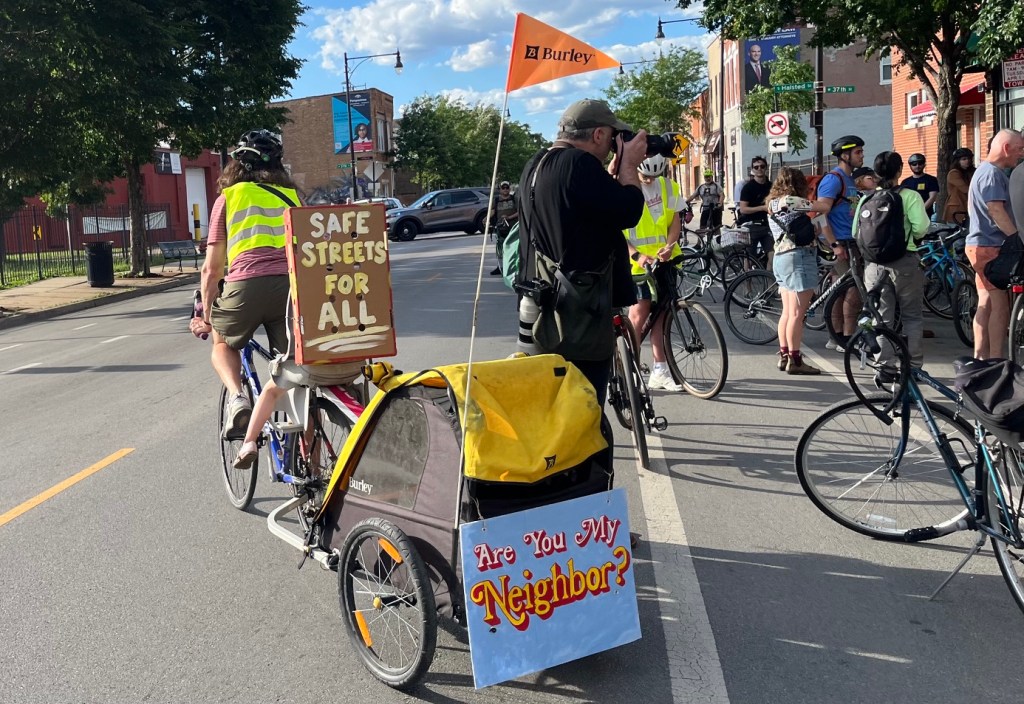
Because behind every transportation policy, every bike lane, every street redesign, and every safety improvement are lots of people like Riley. His death is especially heartbreaking because he spent his life working to prevent tragedies like this. Every serious or fatal traffic crash becomes that becomes part of the City’s statistics also represents a person, a family, and a community forever changed.
Protected bike lanes save lives. They separate bike riders from traffic, reduce the number of crashes, and create safer streets for people of all ages. They may seem like a special amenity to some, but protected bike lanes are essential infrastructure.
The most meaningful way to honor Riley is to continue his work: Build safer streets, invest in protected bike lanes, and prioritize safety on Halsted through Bridgeport.
I don’t live in Chicago anymore so please do me a favor and urge these city leaders to support protected bike lanes before another life is lost.
- Chicago Department of Transportation Commissioner William Cheaks: william.cheaks@cityofchicago.org
- Ald. Nicole Lee (11th): ward11@cityofchicago.org
- Mayor’s Chief of Staff Cristina Pacione-Zayas: christina.pacione-zayas@cityofchicago.org
The Riley O’Neil Memorial Fund has been launched at DePaul University to help fund the Chaddick Institute for Metropolitan Development’s “initiatives related to sustainable urban development and the creation of safer cities.”

If you value Streetsblog Chicago’s livable streets reporting and advocacy, please consider making a tax-deductible donation to support our work. Thank you.
Streetsblog has migrated to a new comment system. New commenters can register directly in the comments section of any article. Returning commenters: your previous comments and display name have been preserved, but you'll need to reclaim your account by clicking "Forgot your password?" on the sign-in form, entering your email, and following the verification link to set a new password — this is required because passwords could not be carried over during the migration. For questions, contact tips@streetsblog.org.