A small victory: At Friday’s CMAP meeting on DLSD, staff said the Illinois and Chicago transportation departments are going back to the drawing board

Update 6/3/26, 4:30 PM: (For background on this topic, read the article in standard text below the new section in italics.)
Public engagement around the future of DuSable Lake Shore Drive continued to grow at Friday’s Chicago Metropolitan Agency for Planing meeting, where planners acknowledged receiving an overwhelming volume of public feedback and confirmed that no preferred alternative has been selected for the controversial Redefine the Drive project.
During the meeting, CMAP staff said that the Illinois and Chicago transportation departments will return to the modeling and alternatives-analysis phase before advancing a new recommended alternative. Staff indicated that the process could take a couple of years, underscoring that the project remains far from final. At the same time, CMAP signaled that it still intends to keep the project on the region’s constrained and priority investment lists, preserving funding eligibility while the analysis continues.
For advocates, the update represented both a victory and a reminder that the debate is far from over. On one hand, agencies are now publicly acknowledging what residents, advocates, and elected officials have argued for months: The previous highway-oriented proposal generated substantial opposition and cannot simply move forward unchanged. Staff repeatedly thanked members of the public for their engagement and emphasized that no preferred alternative has been finalized.
On the other hand, officials provided few details about what the updated modeling process will look like, what assumptions will be used, or whether the new analysis will meaningfully address criticisms of earlier modeling efforts. Previous critics have argued that the project’s travel-demand models relied heavily on assumptions that favored the car-centric status quo, while understating the potential for transit improvements, mode shift, and changing travel behavior.
Public participation showed no signs of slowing down. According to CMAP, 370 emails had been submitted as of 24 hours before the meeting began, while dozens of residents appeared in person or via Zoom to testify. The volume of speakers was so large that the committee extended the public comment period five times, ultimately dedicating about an hour and a half to public testimony.
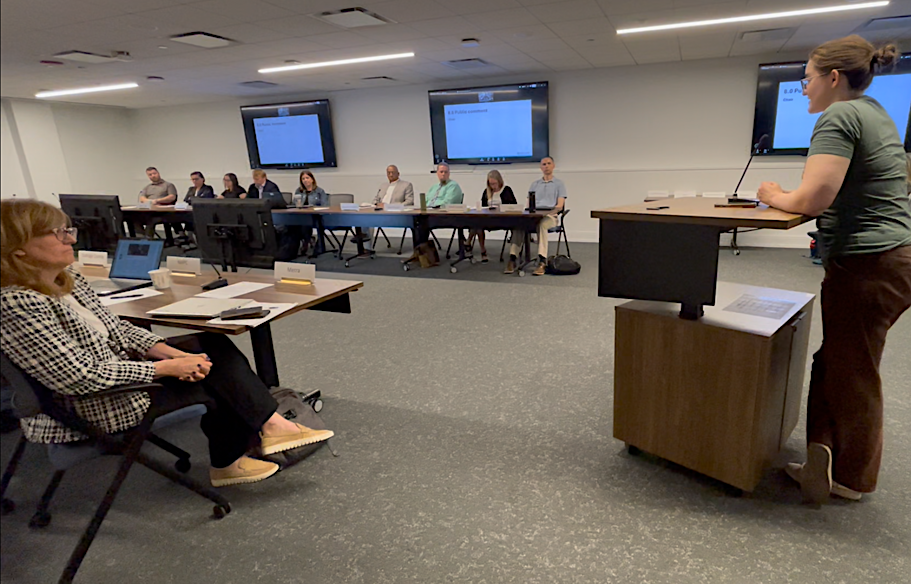
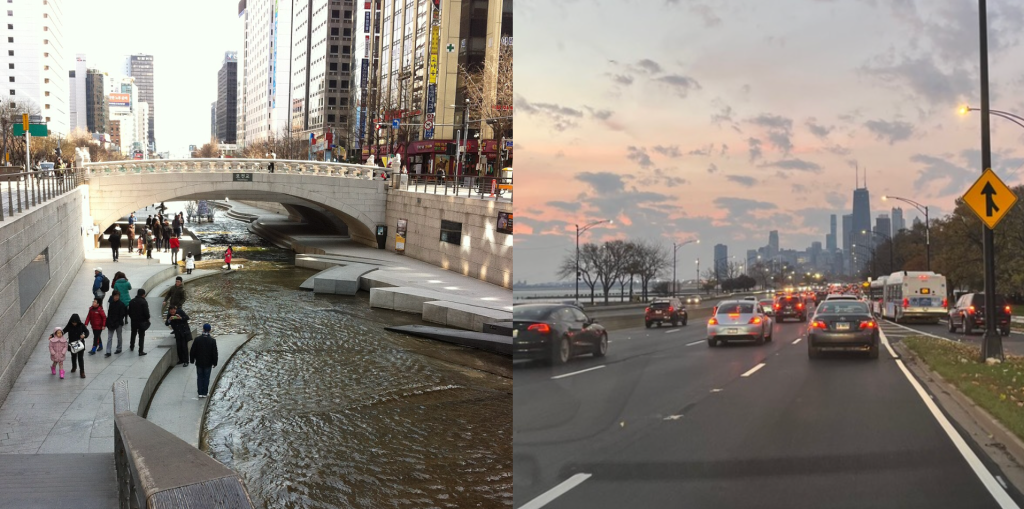
While commenters approached the issue from different angles, many focused on the same core concerns of public health, pollution, safety, transit investment, and access to the lakefront. Speakers repeatedly argued that Chicago should learn from peer cities like San Francisco, Seattle, Boston, and Seoul, that have removed or transformed waterfront highways rather than spending billions to reinforce a model many cities are now moving away from.
If Friday’s meeting demonstrated anything, it is that public attention on DuSable Lake Shore Drive is not fading. As agencies return to the drawing board, advocates say continued engagement will be critical in determining whether Chicago ultimately rebuilds a highway-oriented corridor or pursues a fundamentally different vision for the lakefront.
______________________________________________________________________
Chicago’s debate over the future of DuSable Lake Shore Drive is entering a new phase. Regional planners are acknowledging growing public opposition to the current highway-oriented proposal, and are reopening portions of the project’s analysis.
This Friday, May 29, at 9:30 a.m., the Chicago Metropolitan Agency for Planning will again hear public comment on the long-running “Redefine the Drive” project, which would reconstruct and redesign the aging North DuSable Lake Shore Drive corridor.
You can send a 30-second email to CMAP now via a form posted by Better Streets Chicago, or see below for instructions for public comment.
The meeting comes after months of escalating criticism from residents, transportation advocates, environmental groups, and several elected officials who argue the current proposal would effectively rebuild a high-speed, eight-lane highway along Chicago’s lakefront for another generation.
In a newly released public comment summary, CMAP confirmed that no preferred alternative has been finalized and that the Illinois and Chicago transportation departments are revisiting the project’s alternatives analysis using updated modeling data.
The acknowledgement marks a notable shift in tone from earlier stages of the process, when many advocates feared the project was moving steadily toward approval despite mounting public criticism.
CMAP’s summary also reveals the scale of public engagement surrounding the project. Across meetings held in February and April, the agency received nearly 1,500 public comments through written submissions, Zoom testimony, and in-person remarks. According to the agency, the “overwhelming majority” of commenters opposed maintaining or expanding the corridor as a highway and instead supported a lower-speed boulevard with stronger transit investment, safer pedestrian and bicycle infrastructure, and improved access to the lakefront.
At the same time, CMAP is still recommending that the project remain on the region’s fiscally constrained and priority investment lists, arguing that removing it could jeopardize federal funding eligibility and delay long-term reconstruction of the corridor. That position reflects a growing tension at the center of the debate.
Regional planners and transportation agencies broadly agree that the nearly century-old roadway requires major rehabilitation. But critics increasingly question whether rebuilding the corridor around highway-oriented assumptions is compatible with Chicago’s climate goals, public health priorities, and stated efforts to improve multimodal transportation access.
Many of the project’s opponents have also challenged the analytical framework used to justify the current proposal. They argue earlier modeling relied heavily on pre-pandemic commuting assumptions; underestimated the true cost of driving and parking; and failed to meaningfully evaluate stronger transit alternatives or larger shifts away from car dependence.
The concerns extend beyond transportation policy. The corridor cuts through Chicago’s lakefront park system and serves as a physical barrier between neighborhoods and the shoreline. Opponents have argued that high vehicle speeds, noise, air pollution, and limited crossings undermine the lakefront’s role as one of the city’s most important public spaces.
Several advocates have pointed to other major cities including San Francisco, Seattle, Boston, and Seoul that have removed or transformed waterfront highways in favor of lower-speed boulevards, transit infrastructure, and expanded public access.
.jpg)
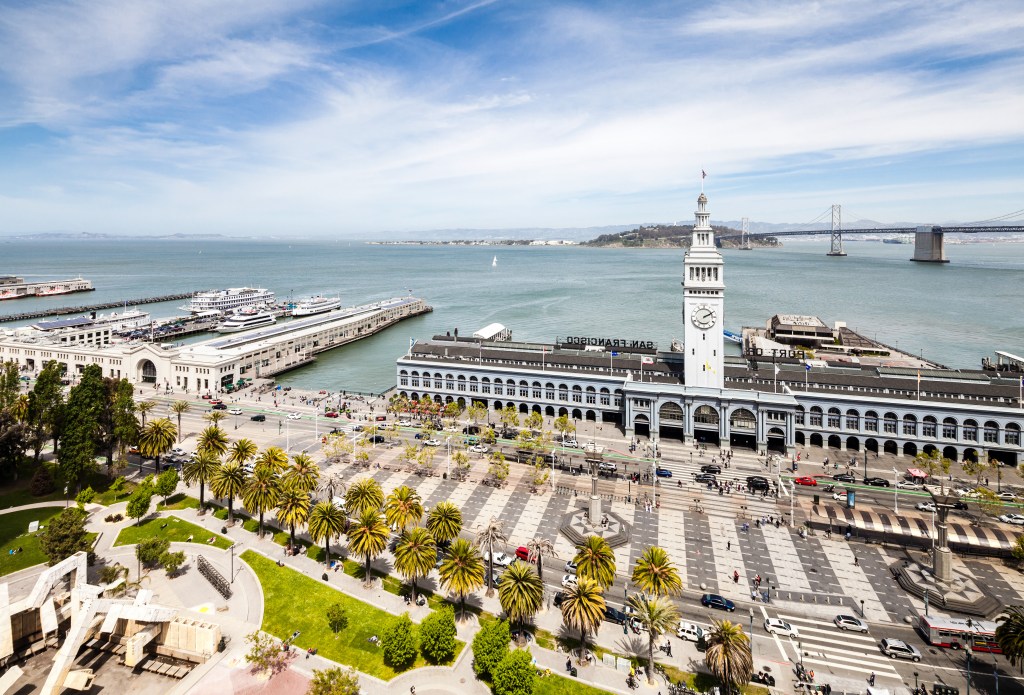
After the Embarcadero Freeway was removed, the corridor was converted to a surface boulevard.
CMAP’s memo appears to acknowledge that the current proposal can no longer move forward without broader public buy-in. While the agency emphasized that inclusion in the Regional Transportation Plan does not endorse a specific design, advocates remain concerned that institutional momentum could still steer the process toward a highway-oriented outcome unless public pressure continues.
As a result, advocacy groups are now shifting their messaging. Rather than calling simply for the project to be removed from the regional plan, many are urging residents to focus their comments on transparency, updated modeling assumptions, stronger transit alternatives, safer lakefront access, and the need for a genuinely community-driven redesign process.
Friday’s CMAP Transportation Committee meeting expected to be another major test of public engagement around the project, with advocates encouraging Chicagoans to submit written comments, testify via Zoom, or attend in person.
The meeting may not determine the final outcome of the project, but it is increasingly shaping the terms of the debate over what Chicago’s lakefront should look like for the next 50 to 100 years.
If you would like to submit public comment to CMAP about the future of DuSable Lake Shore Drive, you can send a 30-second email through the Better Streets Chicago form here, email info[at]cmap[dot]illinois[dot]gov directly, or follow the steps below.
How to comment
To participate in any format, email info[at]cmap[dot]illinois[dot]gov by this Thursday afternoon.
- In person: Email CMAP to request a building pass. The Transportation Committee meeting begins at 9:30 a.m. at the CMAP office, in the Old Chicago Main Post Office, 433 W. Van Buren St., Suite 450, in the Cook County Conference Room. Public comment typically occurs near the end of the meeting, around 11 a.m.
- Via Zoom: Participants can request a link by emailing CMAP – see details below.
- Written comment by email: No live attendance required.
- Automated email: Organizations such as Better Streets Chicago have made templates available for residents who prefer a simplified option.
Suggested e-mail format
To: info[at]cmap[dot]illinois[dot]gov
Subject: Public Comment – CMAP Transportation Committee (May 29)
Hi CMAP team,
I’d like to provide public comment on DuSable Lake Shore Drive at the May 29 meeting. I plan to comment [in person/via Zoom/in writing].
Thank you,
[Your Name]
[Neighborhood]
Commenters are encouraged to include their remarks directly in the email or as a Word document attachment.
Suggested talking points
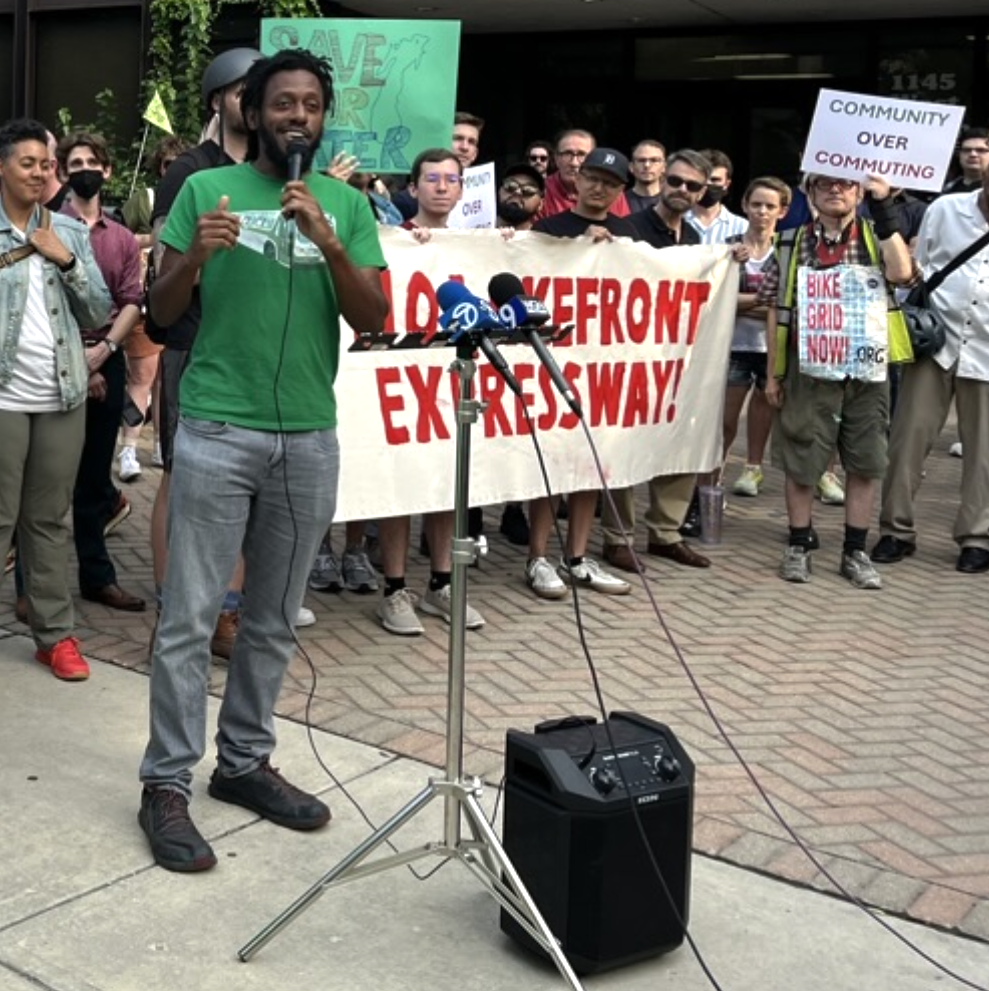
- Transparency: CMAP has confirmed that no preferred alternative has been finalized and that the Illinois and Chicago transportation departments are revisiting the alternatives analysis using updated modeling. That process should remain transparent and genuinely community-driven.
- People over traffic: Public feedback for years has consistently favored transit, biking, walking, safer crossings, and better lakefront access, not rebuilding or expanding a highway.
- Accurate traffic modeling: Previous modeling relied heavily on status quo assumptions around driving demand and did not meaningfully evaluate stronger regional transit, bus rapid transit, improved CTA service, east-west connectivity, or significant mode shift.
- Accurate transit modeling: Updated modeling should reflect modern travel patterns, the true cost of driving and parking, climate goals, and growing demand for alternatives to driving.
- Park experience: A 2023 community survey found that 73 percent of respondents said DLSD diminishes park quality, while 70 percent said they would prefer to drive less than they currently do.
- Political will: State legislators and multiple lakefront alderpeople have called for a lower-speed boulevard approach with serious transit investment and improved lakefront access.
- Waterfront highway removal trend: Other major cities around the world are removing or transforming waterfront highways because they create barriers, pollution, noise, and unsafe public spaces. Critics argue Chicago should not spend billions doubling down on outdated highway design.
- Funding should not go to a highway-forward project: If DLSD remains on the constrained and priority investment lists, commenters say it should not become a blank check for the previous highway-forward proposal.
With key decisions expected later this year, advocates say the coming months could determine whether Chicago doubles down on a highway-oriented lakefront or moves toward a fundamentally different vision for the corridor.

On November 12, SBC launched our 2026 fund drive to raise $50K through ad sales and donations. That will complete this year’s budget, at a time when it’s tough to find grant money. Big thanks to all the readers who have chipped in so far to help keep this site rolling to the end of 2026! Currently, we’re at $33,301 with $16,699 to go, ideally by the end of May.
If you value our livable streets reporting and advocacy, please consider making a tax-deductible gift here. If you can afford a contribution of $100 or more, think of that as a subscription. That will help keep the site paywall-free for people on tighter budgets, as well as decision-makers. Thanks for your support!

Read More:
Streetsblog has migrated to a new comment system. New commenters can register directly in the comments section of any article. Returning commenters: your previous comments and display name have been preserved, but you'll need to reclaim your account by clicking "Forgot your password?" on the sign-in form, entering your email, and following the verification link to set a new password — this is required because passwords could not be carried over during the migration. For questions, contact tips@streetsblog.org.