CTA board signs off on smoke mitigation pilot, discusses public safety challenges


On Wednesday, the CTA board had its first meeting of 2026, and there were some hot topics to discuss.
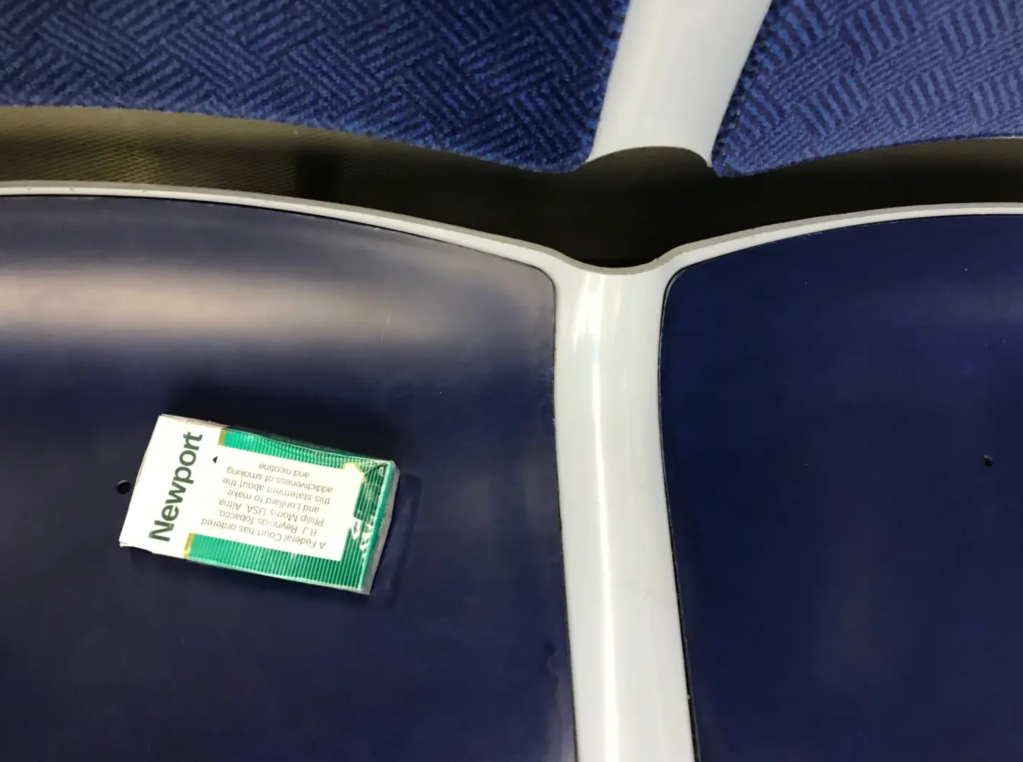
The directors voted to approve an 12-month ‘L’ car air filter pilot. It’s not an effort to prevent smoking on trains, but rather an attempt to reduce the negative impacts of this behavior on respiratory health and rider experience.
And in the wake four recent stabbings in the transit system in less than a week, one of them fatal, the board discussed crime issues issues. Acting President Nora Leerhsen updated them on the agency’s response to the Trump administration’s threat to cut $50 million in funding if the CTA doesn’t provide a safety plan the feds deem adequate.
All of the board members in attended in person, which Board Secretary Georgette Greenlee noted has been uncommon over the past few months. But the seat vacated by Michelle Lee last month remained empty, and there was no discussion about how to fill it. In September, the Chicago area transit governance overhaul will take effect, and Mayor Brandon Johnson will need to decide who to appoint to the revamped board. There is nothing to prevent the mayor from filling a vacancy in the meantime. But, so far, it’s not clear whether he plans to do it.
Smoky ‘L’, Smoky ‘L’, Smoky ‘L‘
As someone who covered Chicago’s West Side for Austin Weekly News for much of the last decade, I can tell you that smoking on the ‘L’ has been a major issue on the Green Line for most of that era, especially later in the evening. What changed during the COVID-19 pandemic was that smoking on trains became more frequent and pervasive systemwide.
CTA Vice President of Strategy and Innovation Cara Bader asked the board to allocate $65,075.24 to pilot activated carbon air filters on HVAC systems on eight rail cars. While she said the agency takes many steps to reduce smoking on the ‘L’, she explained they’re also trying to and try to mitigate the health dangers of second-hand smoke and reduce lingering odors. The filters were developed by Near West Side based Sandbox Carbon.
Bader said they are testing the filters on 5000-series railcars. Those are usually deployed on the Red, Green, Purple and Yellow lines.
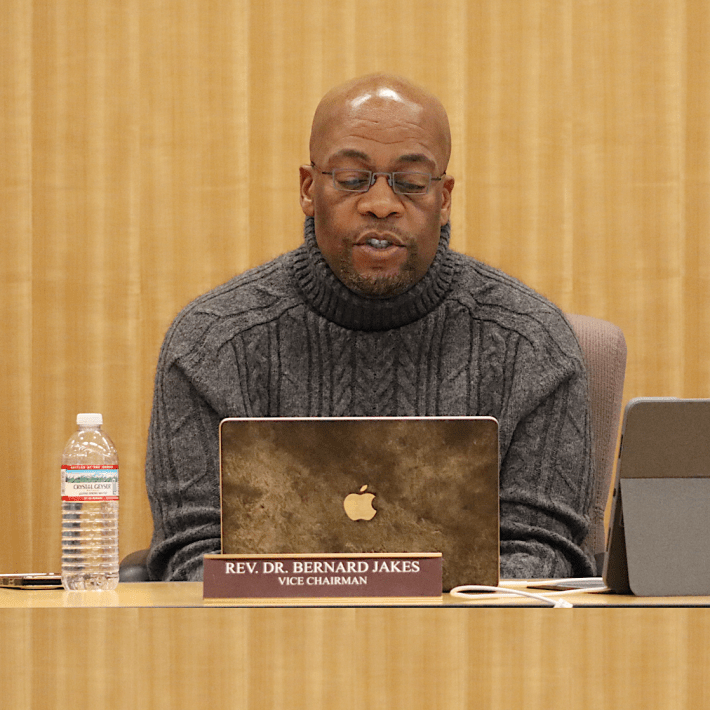
Board member Rev. Dr. Bernard Jakes asked if that choice had to do with the levels of smoking on those lines. In addition to the 24-hour Red Line, smoking seems to be common on the all-night Blue Line.
Bader said that the decision came down to those railcars’ design and age. While they are not the oldest ones in the fleet, they’re not the newest either, and there is less risk of voiding the warranty of these cars than with the newest ones. The fact that the Red Line does see some of the highest levels of smoking complaints is just a coincidence.
Bader said the CTA will use air quality sensors for the first two months of the pilot to get baseline levels of air quality. Over the next 10 months, this info will be used to measure the air filters’ effectiveness. The filters will be changed every 60 days as part of the regular railcar maintenance cycle.
Jakes asked if the filters can be added to other railcar models in the fleet. Bader responded that Sandbox Carbon believes they can, with some modifications. Adopting them to buses, she said, would be trickier.
Board member Roberto Requejo said he appreciates the effort the CTA is making to mitigate the dangers and annoyances associated with smoking on the ‘L’. But he added that he wants to see a plan to prevent people from smoking in railcars in the first place.
“We have now five to six years of experience of what it looks like when smoking becomes a feature of a transit system,” he said. “Six years after the pandemic, and the issue still lingers.”
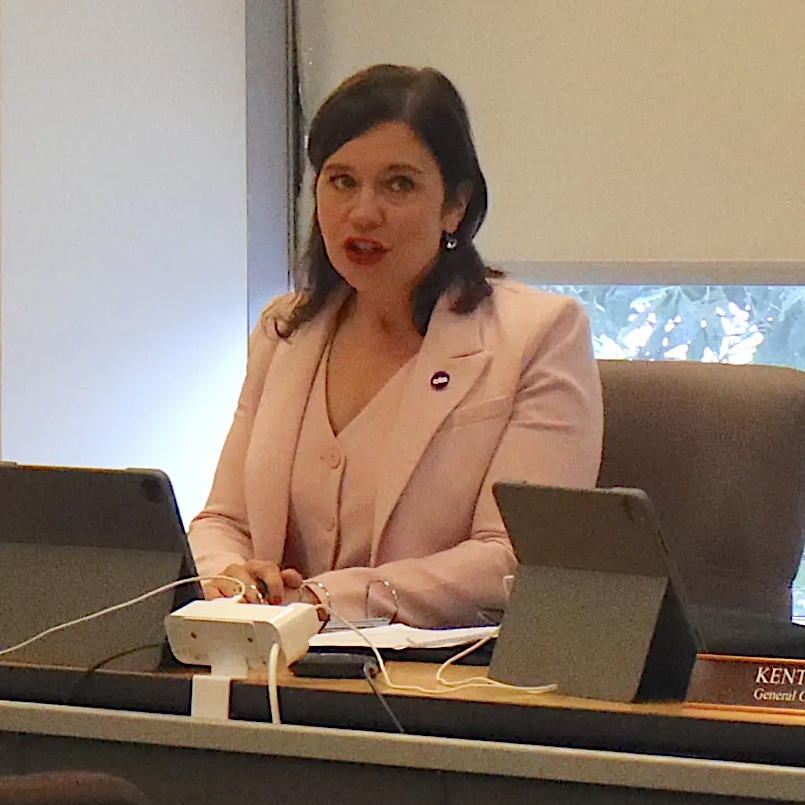
Leerhsen agreed that it would make sense to come up with a more comprehensive strategy. “This would be a good time to put it all together,” she said.
Here’s hoping that in the future when you board an ‘L’ car at night, it will be less likely to smell like an ashtray and/or a Grateful Dead concert. [R.I.P. guitarist and founding member Bob Weir. – Ed.]
Public safety
On December 8, 2205 Federal Transit Administration chief Marc Molinaro sent a letter to Governor JB Pritzker and Mayor Johnson “issuing a Special Directive to the CTA demanding the agency develop and implement a plan to measurably reduce assaults on transit workers and passengers and address unsafe conditions that have contributed to increased crime on CTA’s bus and rail system.”
The statement cited the random, horrific November 17 burning attack on Bethany MaGee, 26, as the impetus behind the directive. “If the CTA does not promptly increase its law enforcement, [Federal Transit Administration] will act, including by witholding federal funds,” it said.
In the letter, Molinaro demanded that CTA develop a “security enhancement plan” by December 15, send it to the FTA for approval and, once it is approved, implement it no later than December 19. He also mandated that the agency “update its Agency Safety Plan by the end of December and send the plan to FTA within seven business days of approval by [the CTA board].”
On December 18, the CTA announced efforts to meet the feds’ requirements with a new “security surge plan.” That including an increase in the average number of police patrolling the system, from 77 to 120 officers, a 56 percent bump.
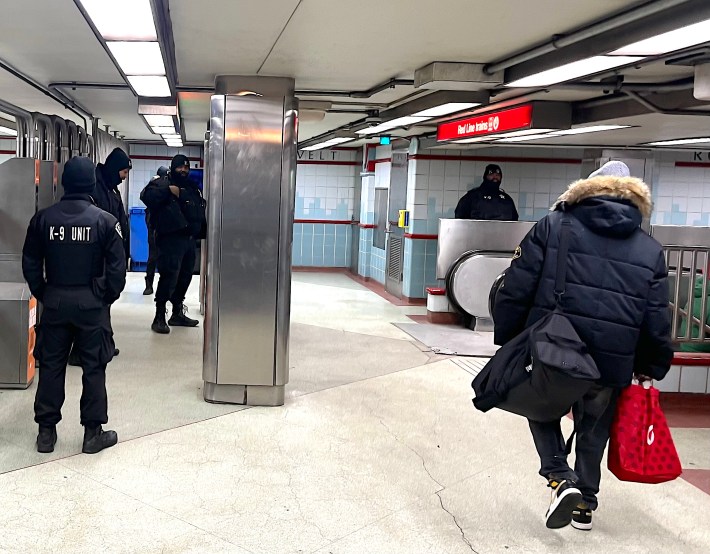
However, in a December 19 letter to Leerhsen, Molinaro rejected the CTA’s attempt, alleging that the policing plan was “materially deficient” and didn’t state goals to reduce transit crime on a monthly basis. He set a new deadline of March 19, threatening to slash federal funding for the transit agency by $50 million if he wasn’t satisfied with the revised safety plan by then.
On December 23, there was a fatal shooting on the Pink Line. That was followed by the deadly Blue Line stabbing last Saturday night, January 10.
At last Wednesday’s meeting, the transit board signed off on the CTA’s updated Agency Safety Plan. Vice President of Safety Jeff Hulbert told the directors that the “top two changes” in the document had nothing to do with public safety in the sense of protection from violence. Rather, one of these changes is hiring more employees to ensure compliance with workplace safety rules. The other is establishing more protections for CTA employees who work in what he described as the “most dangerous work environment” in the system: on the ‘L’ tracks with a live third rail.
Leerhsen told the board that while FTA has given the CTA until March 19 to submit a more detailed plan, they plan to respond by late January or early February. That way, she explained, the transit agency will have time to address any feedback from the FTA and edit the document accordingly.
Leerhsen added that the CTA is still looking for community organizations to perform outreach to riders experiencing homelessness, addiction, and/or mental illness, as well as for deescalating dangerous situations. For the past year, the agency has been trying to expand this program. Over 60 people attended a workshop for potential applicants last week, and the CTA is already getting pitches. “We are reviewing proposals as they come in,” she said, adding that vendors have until February 17 to apply.
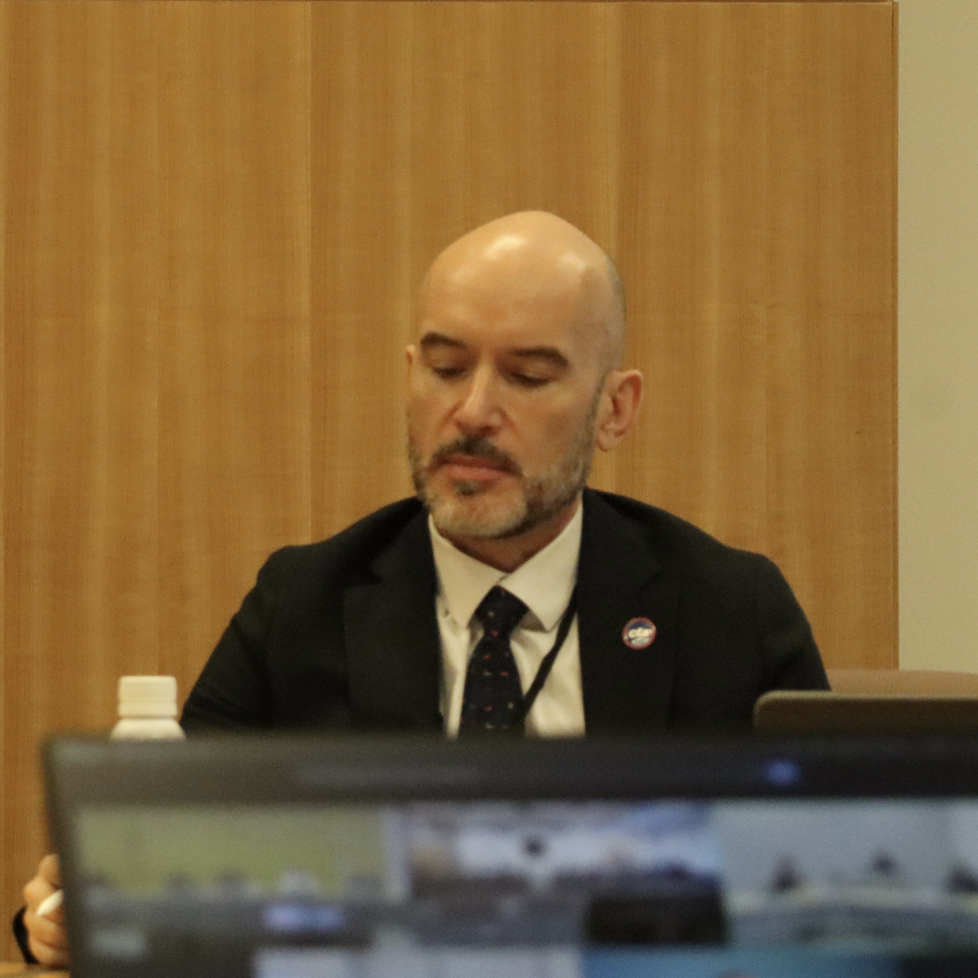
Requejo reiterated the point he made last month, that the FTA is weaponizing the valid issue of transit safety, whereas a collaboration with the CTA would have been more productive. Now, he said, he has “even more concerns.”
Requejo suggested that a roundtable be held with CTA officials, the Mayor’s Office, “civic leadership” and business leaders to develop a comprehensive plan to improve transit safety. “I know we can develop a solution, and not a plan that is imposed,” he said.
CTA Bard Chair Lester Barclay, who expressed skepticism about the transit governance overhaul in a November Chicago Tribune op-ed, said that a more powerful RTA at least provides an opportunity for regional security planning. That’s already mandated by the state transit bill. “I think there is a sense that it’s solely a CTA issue, but now, we’re looking at that as a regional issue,” he said.
Read the CTA’s press release about the smoking mitigation pilot here.

On November 12, SBC launched our 2026 fund drive to raise $50K through ad sales and donations. That will complete next year’s budget, at a time when it’s tough to find grant money. Big thanks to all the readers who have chipped in so far to help keep this site rolling all next year! Currently, we’re at $13,455 with $36,545 to go, ideally by the end of February.
If you value our livable streets reporting and advocacy, please consider making a tax-exempt gift here. If you can afford a contribution of $100 or more, think of it as a subscription. That will help keep the site paywall-free for people on tighter budgets, as well as decision-makers. Thanks for your support!
– John Greenfield, editor

Streetsblog has migrated to a new comment system. New commenters can register directly in the comments section of any article. Returning commenters: your previous comments and display name have been preserved, but you'll need to reclaim your account by clicking "Forgot your password?" on the sign-in form, entering your email, and following the verification link to set a new password — this is required because passwords could not be carried over during the migration. For questions, contact tips@streetsblog.org.