The negligent driver who killed Steve Bender on his bike was merely cited for failure to reduce speed. His family wants tougher state laws.

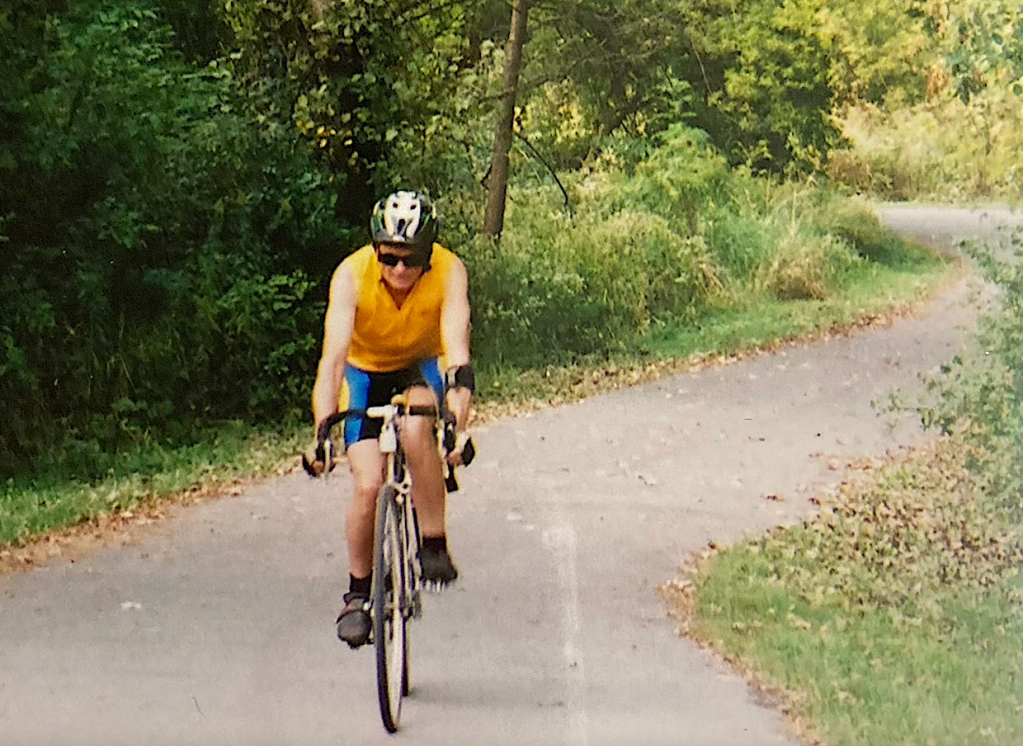
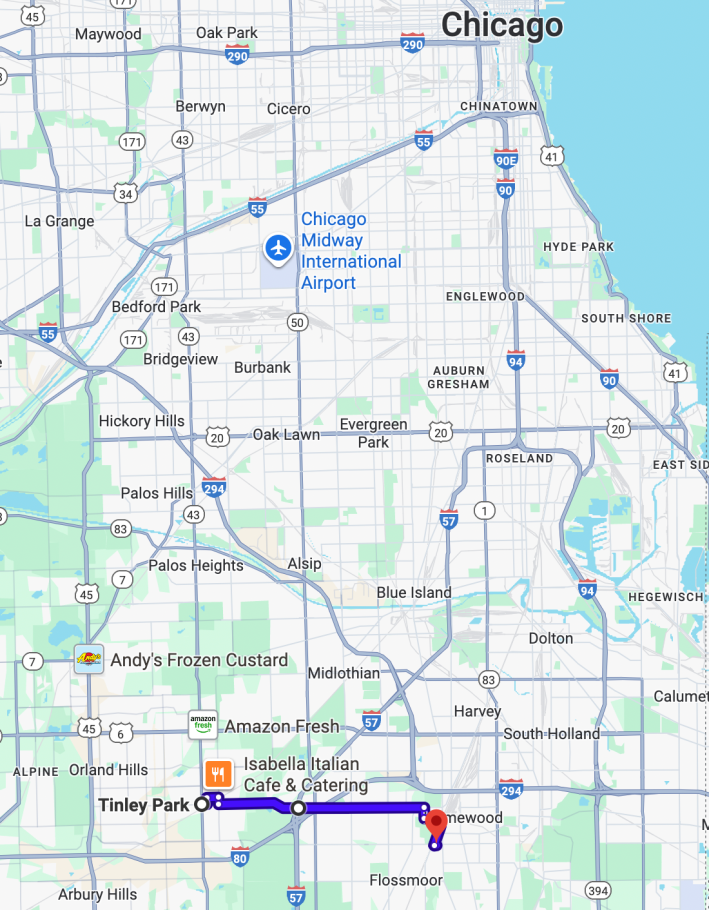
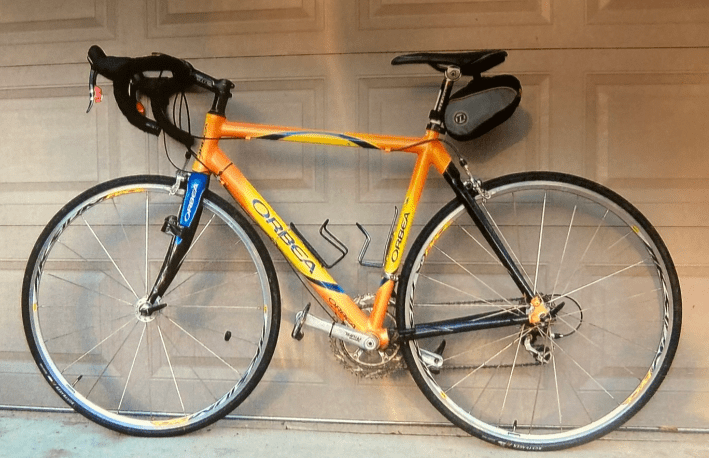
On the afternoon of Wednesday, May 29, 2024, in beautiful late-spring weather, Steve Bender, 73, bicycled east from his home in the Chicago suburb of Tinley Park. According to his wife Mary, he was riding an orange Orbea road bike and wearing a bright blue jersey, making him easy to see. They were planning to celebrate their 52nd wedding anniversary the next month.
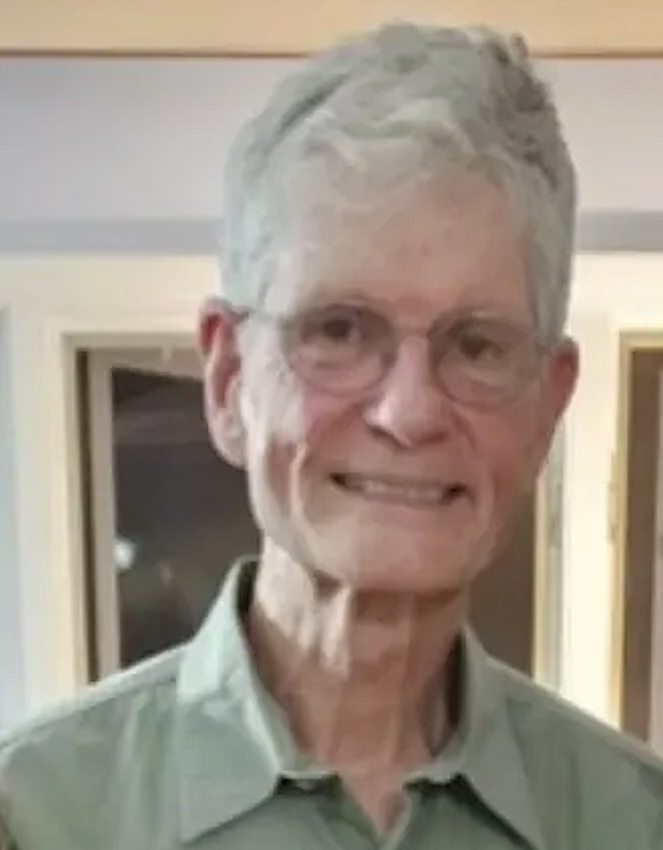
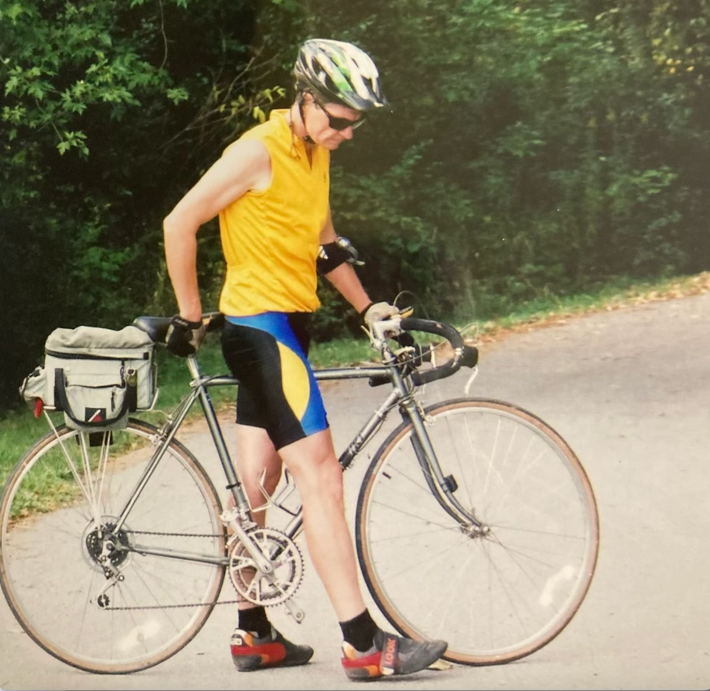
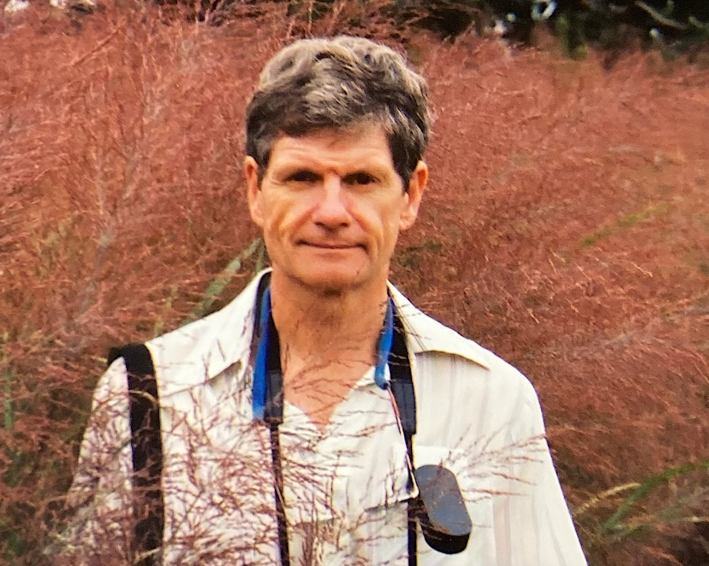
Steve worked in process control engineering, and enjoyed reading, gardening, and birdwatching. A skilled pencil artist, he was known for his drawings, mostly of wildlife, mostly birds, plants, and his cat. He was also a veteran cyclist, who for about 25 years rode more than a thousand miles annually. “He was skilled, knowledgeable, responsible, and a joyful rider,” Mary said.
That day, Steve Bender pedaled eastbound on 175th Street, a two-lane road. According to Steve Buchtel, a manager at GoodSpeed Cycles, 2125 183rd St. in Homewood, “Steve was our customer, and was probably on his way to our shop when he was hit.”
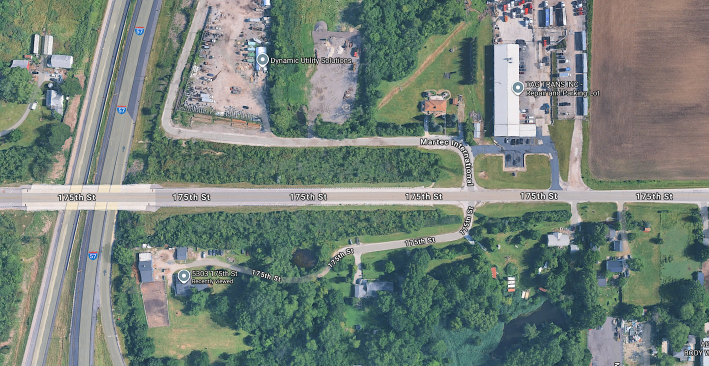
Records show that around 4:30 p.m., with the sun behind him, Steve Bender rode on the overpass for the I-57 Interstate, roughly four miles from his home and half a mile west of Cicero Avenue. After cresting the hill, he was riding just to the left of the painted “fog line” at the edge of the eastbound mixed-traffic lane.
Why wasn’t he biking on the shoulder of the road? A possible reason is that east of the Interstate at a roadway labeled “Martec International” in the aerial below, the shoulders significantly narrow, and there are corrugated rumble strips. Those are difficult and dangerous to cycle on.
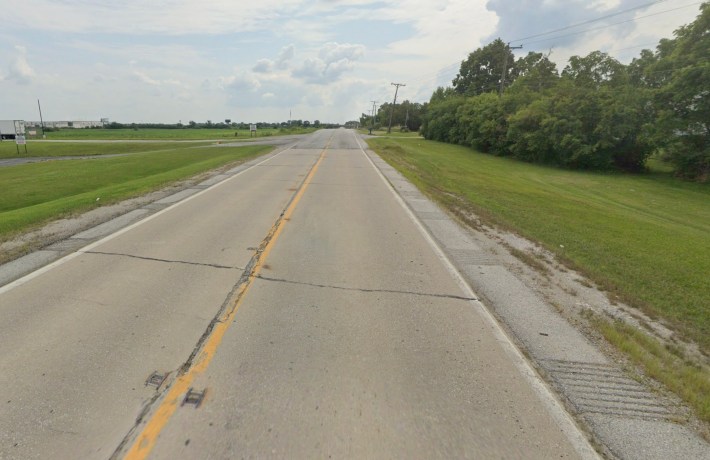
While Steve Bender was riding to the left of the line, Dorothy Brown, driving east in a compact SUV, came over the hill and struck his bike from behind, Mary said. He suffered a broken skull, neck, back, and legs, and died from his injuries. “Steve was my husband, my best friend, my confidant, my life partner in all things,” his wife said in a court statement. “It is impossible for me to describe the depth of my grief and loss.”
The Illinois Traffic Crash Report for the incident, which lists the investigating agency as the Cook County Sheriff’s Police Department, states that Brown told a responding officer, “She observed [Steve Bender] riding a bike, traveling in the eastbound lane, when the bike operator suddenly turned into her path of travel, causing the collision.”
However, court records show that Brown did not slow down to prevent the crash, and the right front side of the SUV was badly damaged. The records also indicate there was no evidence to back up her claim that Steve Bender abruptly pulled in front of her.
“I ask myself over and over, what was the defendant thinking?” Mary Bender said in her court statement. “Doing? What might she have done or not done that could have saved my husband’s life and returned him home safely?”
There was no evidence presented that Brown was intoxicated or using a phone before the collision. She was merely ticketed for failure to reduce speed to avoid a crash. However, the driver opted to fight that citation in court. She was found guilty and sentenced on December 23, 2025.
At the sentencing hearing, Cook County Circuit Court Judge Thomas J. Carroll said that the evidence presented showed that Brown was negligent. Moreover, he noted that Steve Bender had done nothing wrong before the motorist killed him. “Mr. Bender was riding in an area he had a right to be in,” Carroll said. “Bikes may share the road with motor vehicles.”
The judge sentenced Brown to six months probation, with the possibility of a conditional discharge if she fully complies with the terms. He also assigned eight hours of in-person driver’s education, and 100 hours of community service with an organization that promotes bicycle safety.
Regarding the latter, in Mary Bender’s court statement, she recommended the advocacy groups League of American Bicyclists, Ride Illinois, Active Transportation Alliance, and It Could Be Me. “It would be a chance for the defendant to give back to the community for what was taken from Steve and me and to learn from this experience,” she said.

Mary recently told Streetsblog that her husband’s loved ones appreciated that the judge made it clear Steve Bender had the legal right to ride in the road. “This was very important to us, as the Cook County Sheriff’s accident reconstruction report implied that Steve was partially responsible for his death in that he was cycling in the road,” she said. “During the trial Judge Carrol required that the defense attorney acknowledge that this was wrong and that a cyclist has the same right to be traveling in the road as any other vehicle [operator].”
“We filed a complaint [on July 30] with the Cook County Sheriff’s Office concerning the many failures in the police investigation,” Mary added. She said that, in addition to victim-blaming her husband for legally riding in the road, the department promised it would eventually return the damaged bicycle to her, but instead destroyed it.
And, although there was a witness who stayed with Steve Bender after the crash, Mary said the sheriff’s department didn’t interview the witness until the Cook County State’s Attorney’s office requested that they do so. And even then, the sheriff’s department didn’t record the interview with the witness. The department later gave the baffling explanation that the witness had no meaningful information to contribute to the case. Mary said there has been no response to the complaint they filed yet, but she plans to continue to pursue the issue.
She added that she’s not planning to file a civil suit against Brown. She explained that the driver, a young person, was “dramatically under-insured,” and likely didn’t have any major assets. In contrast, the married couple had higher-quality insurance coverage for protection in the event of a crash with an under-insured driver. “So it was a reasonable decision to settle with her insurance company and with our insurance company.”
While Steve Bender’s case is largely resolved, Mary said the family plans to pursue the placement of some type of warning sign before the I-57 overpass to notify drivers they may encounter people on bikes.
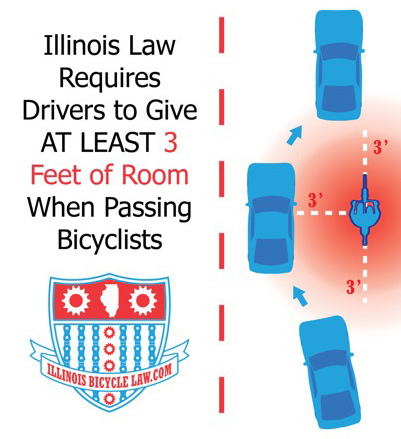
“Police officers need to be better informed about the current law as it pertains to drivers’ obligations with respect to cyclists on the roadway: cyclists right to the road, and the three foot rule,” she added. The latter refers to Illinois’ requirement that motorists pass bike riders at a safe distance.
“The State’s Attorney’s office expressed some dissatisfaction with the law the way it exists, that it kind of ties their hands, because there’s no middle ground between what is truly just a tragic accident and convergence of events, and recklessness on the part of the driver,” she added. “There’s no middle ground that would hold a driver accountable for failing to take due care, to consider the safety of other drivers, pedestrians, and cyclists that are also using the road.”
“So that is something that our family is interested in trying to pursue with organizations that promote bicycle safety,” Mary said. “The law is entirely too deferential to drivers and does not consider the rights and the situation that cyclists face when they are legally cycling on the road with cars.”
She emphasized the sense of injustice and outrage that the loved ones of crash victims like Steve Bender can feel if justice is not fully served. “A driver can hit and seriously injure, even kill, a cyclist, and unless it can be proven that the driver acted ‘recklessly,’ which is a very subjective concept, there is little to no accountability,” Mary said. “Is it reckless to allow your mind to wander as you are driving along what is a pretty empty road, to be thinking about the argument you had with your partner that morning, or to be mentally rehearsing the points you intend to make in a business presentation in the afternoon? No one else can know what the driver is mentally focused on. What level of attentiveness should be required of drivers behind the wheel of what is a dangerous, deadly weapon?”
“The judge found that Dorothy Brown was negligent, that she did not take any steps, such as braking, to avoid hitting Steve,” Mary Bender concluded. “We need a concept akin to involuntary manslaughter – as I said – some middle ground where failing to act with due care for others sharing the road is considered a serious offense with meaningful penalties. I don’t know how to craft such a law, but that is the task before us.”

If you value Streetsblog Chicago’s livable streets reporting and advocacy, please consider making a tax-deductible donation here to help us continue publishing through 2026. Thank you for your support.

Read More:
Streetsblog has migrated to a new comment system. New commenters can register directly in the comments section of any article. Returning commenters: your previous comments and display name have been preserved, but you'll need to reclaim your account by clicking "Forgot your password?" on the sign-in form, entering your email, and following the verification link to set a new password — this is required because passwords could not be carried over during the migration. For questions, contact tips@streetsblog.org.