Scooter Companies Talk Best Practices (Though Low Speed Limits May Be Counter-Productive)

Transportation companies want more Americans to ditch their cars for emissions-free travel — and they’ve figured out the ways that entice people to use electric scooters and bikes.
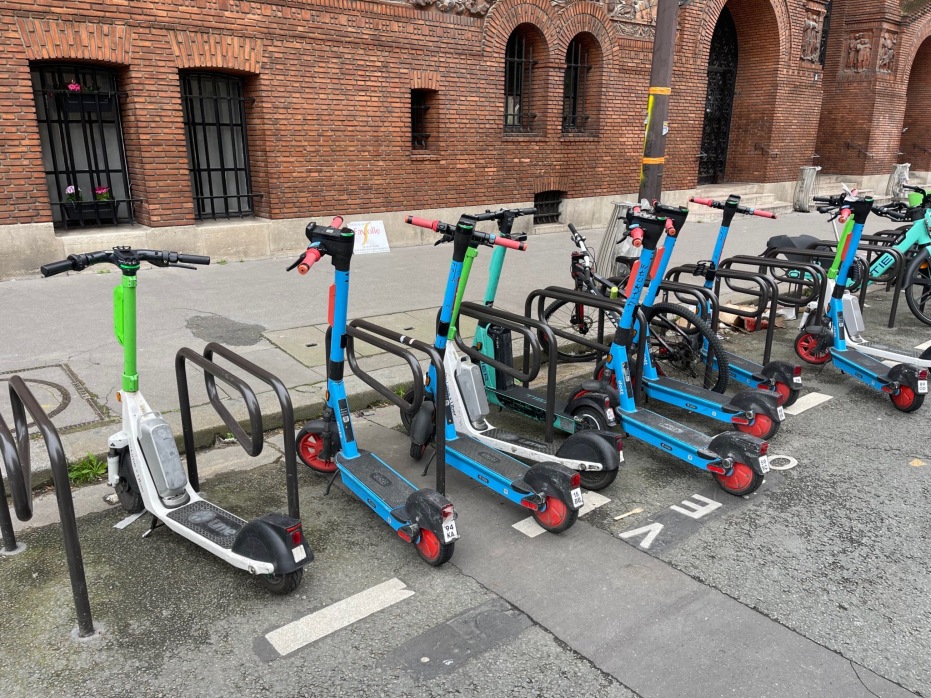
Representatives of the four major national e-scooter brands — Bird, Lime, Spin, and Superpedestrian — say they have found success when they have made their devices easily available, easy to use, and easy to park near a destination for 24 hours a day. The group shared its best practices for deploying a fleet of micromobility devices at the National Association of City Transportation Officials’ Designing Cities Conference in Denver on Monday.
“At the heart of our campaign, is the idea that some changes in life, though hard, are ultimately worth it and can make your life better,” said Christian Navarro, head of brand marketing at Lime, adding that scooter use is a great way “to alleviate the headaches of car ownership” and provide “a source of newness, freshness, and … an exciting way to go about your day unburdened.”
Having a large enough fleet in areas where people want to travel — say a ratio of one vehicle per 500 people and a ratio of two operators for markets that offer between 1,000 to 2,000 scooters — encourages people to think twice about using their vehicles to make short trips.
A pilot of at least two years and a permanent contract of three to four years allows enough time for riders to adapt to using scooters in their area and for companies to invest more heavily in their programs. Communities with seasonal population changes like vacation communities or college campuses might require more devices.
“Eventually we want this to be boring,” a spokesperson for the four e-scooter companies said. “Scooters and bikes and whatever comes after that should be regular parts of the transportation system. You don’t talk about the safety risks of Vespas even though motorcycles and Vespas are far more dangerous than scooters. They’re just an ordinary piece of our streetscape.”
The companies must also make a profit in order to continue operations. Unlike most other transportation systems, scooter companies are not subsidized by the government (nor is the nation’s biggest bike share system, Citi Bike, which set another ridership record last week). Instead they pay cities permission fees to provide the service as well as any fines for illegally parking a device. (Fees should be a fraction of rideshare vehicles that emit pollution, cause congestion, and put more stress on roads, scooter companies argued.)
That hasn’t stopped some companies from hauling in revenue. Last year Lime earned $466 million in gross bookings and $15 million in earnings before taxes and depreciation costs.
Most important, the scooters and their routes must be safe to use. In order to ensure this, the groups pursued a joint commitment with public officials, city planners and transportation leaders to ensure scooters are considered a viable transportation mode when designing streets. That could include a 15-mile-per-hour speed limit for the devices to discourage riding on sidewalks, mandatory parking areas with dedicated scooter corrals, and recommending but not mandating helmets.
That said, low speed limits can spur riders to scoot on the sidewalk instead of the road. Scooter speed limits are capped at 20 miles per hour in Austin, but top out at 10 miles per hour in Washington D.C. That disparity led scooter riders in the nation’s capital to be 44 percent more likely to use the sidewalk than those in the Live Music Capital of the World, the Insurance Institute for Highway Safety found in a new study to be released today.
“Our results show that restricting scooters to low speeds offers a trade-off,” said IIHS Vice President of research Jessica Cicchino, the study’s lead author. “At slow speeds, riders are more likely to choose the sidewalk over the road. That puts them in less danger from cars but could mean more conflicts with people on foot.”
Electric scooters and bike share rides have become enormously popular since they were introduced more than a decade ago. Americans took half a billion scooter and bike share rides since 2010 including 112 million trips in 2021 alone, according to NACTO.
Shared e-bike trips doubled from 9.5 million in 2018 to 17 million in 2021, and riders have been shifting to use the devices more frequently throughout the day instead of just the morning rush, NACTO found. As of last summer, the country had 300 e-scooter systems and 45 dockless bike share systems, in addition to 61 docked bike share networks, US DOT stats show.
Demand for car-free transit options is only expected to continue. The North American electric scooter market could reach $15.4 billion with 3,182 units by 2029, according to one market estimate.
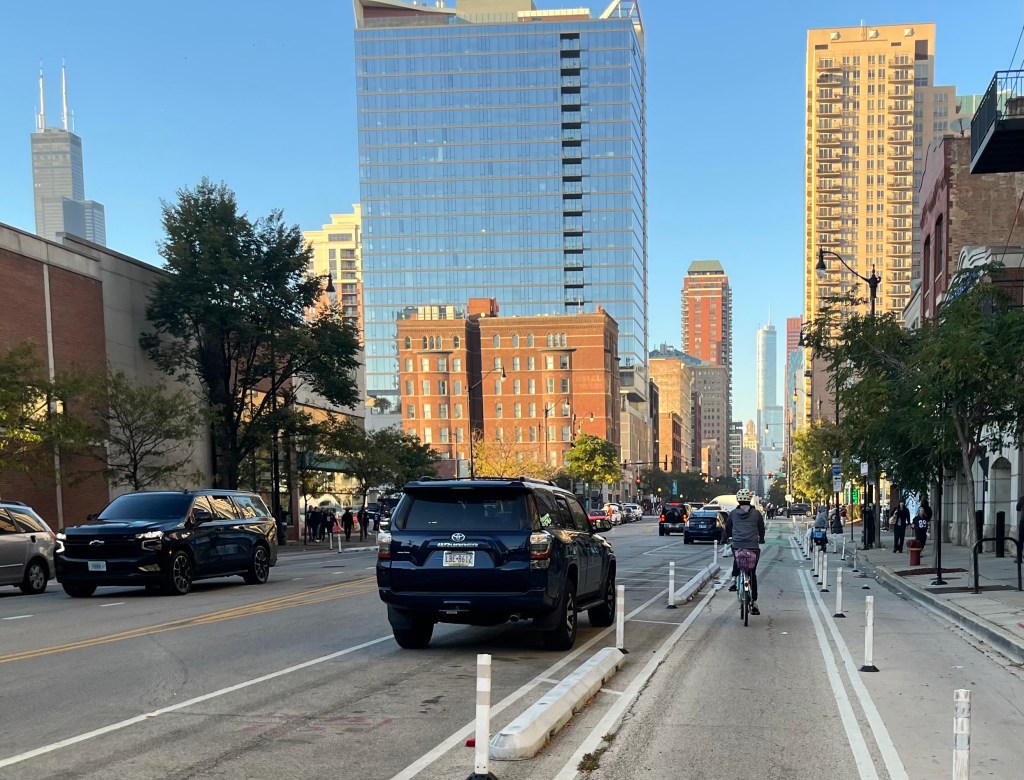
But the rise in scooter and e-bike usage has not been met with road design changes to accommodate their popularity. And some cities even considered banning the technology entirely.
When a vehicle driver struck and killed a scooter rider in Nashville in 2019, then-mayor David Briley sought to suspend a scooter pilot and ban companies from operating in the city.
But the city’s Metro Council rejected the ban, and Briley lost re-election a few months later. A new pilot program of seated scooters just launched in Nashville in March
Scooter companies said that banning the devices is counterproductive and city leaders should work with companies to craft regulations that make roads safer in the long run.
“Cities have little control over their streets but the truth of the matter is, banning scooters because someone was killed by a car is the same as banning bicycles or walking because someone was killed by a car,” the spokesperson said. “We’ve done amazing work with cities using our data to identify the roads that are dangerous or where riders feel they are afraid so they can work on those locations and improve our infrastructure.”

Streetsblog has migrated to a new comment system. New commenters can register directly in the comments section of any article. Returning commenters: your previous comments and display name have been preserved, but you'll need to reclaim your account by clicking "Forgot your password?" on the sign-in form, entering your email, and following the verification link to set a new password — this is required because passwords could not be carried over during the migration. For questions, contact tips@streetsblog.org.