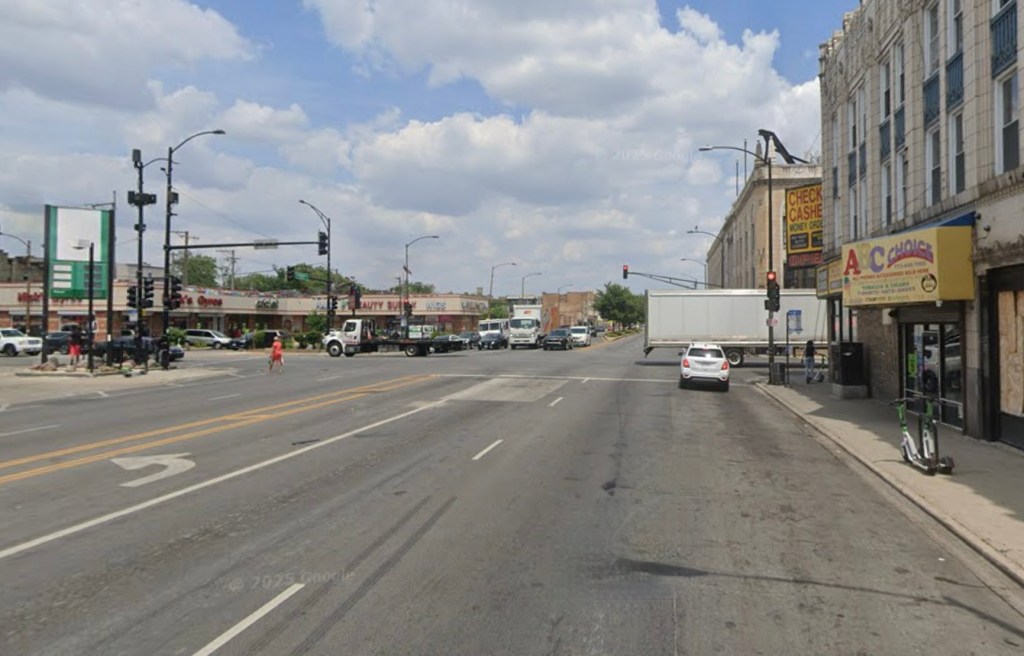
Correcting Cardenas: Better Buses Will Mean Better Access to Ashland

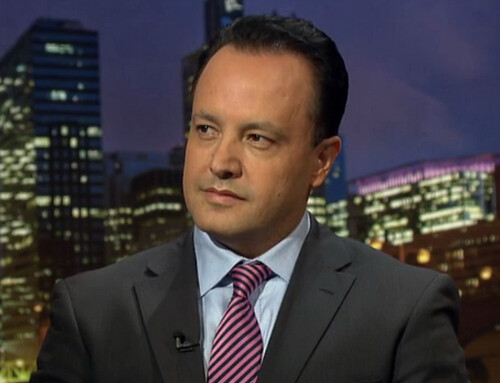
Appearing on Chicago Tonight last month, 12th Ward Alderman George Cardenas made a number of ill-informed statements about the plan to create fast, reliable transit on Ashland Avenue. Most egregiously, he painted BRT as an “expressway” where “no one’s going to stop,” when in fact the project is going to help more people access Ashland Avenue.
During the discussion with host Carol Marin and the Metropolitan Planning Council’s Peter Skosey, after Skosey outlined how BRT will mitigate congestion on Ashland, Cardenas argued that the CTA should have picked Western instead. The agency initially considered both streets.
“Ashland was the wrong choice,” he said. “It has less transit use, there are more businesses than on Western Avenue, and it’s… over seven or eight million dollars costlier than [building BRT on] Western.”
These are made-up reasons for opposing the Ashland project. While Western would have also been a good street for BRT, and it’s a likely candidate for the next north-south BRT route, the #9 Ashland bus has the highest ridership of any CTA bus route, with more than 31,000 boardings per weekday. The abundance of businesses on Ashland is a strong argument for improving transit access for customers. And the estimated price tag for BRT on Western — $155 million — would have barely differed from the $160 million Ashland project.
Even if the CTA had picked Western, Cardenas likely would have opposed that project too, since he also said on the show that the prohibition of most left turns to expedite buses is a dealbreaker for him. “It’s a problem for a lot of the businesses in the area that depend on people being able to turn left and park,” he said. “We’re going to be creating an expressway, if you will, along Ashland, and no one’s going to stop and no one’s going to buy anything.”
This is absurd. As we’ve discussed here, it will be fairly simple for customers in cars and delivery drivers to plan routes to these businesses that don’t require lefts off of Ashland. The expressway comparison makes no sense, because the CTA projects that average car traffic speeds will be lowered a bit, from 18.3 to 16.5 mph, which means drivers will be more likely to notice local businesses and patronize them. Access for people in cars won’t change much at all, in fact, since 88 percent of curbside parking on Ashland would be preserved, and according to the CTA’s environmental assessment, parking is available on many side streets.
Meanwhile, the better transit, calmer car traffic, and wider sidewalks will improve overall access, bringing more customers to retail strips, as Skosey noted on the show. “In every major city that’s implemented BRT, the local businesses have seen increases in foot traffic and shoppers,” he said.
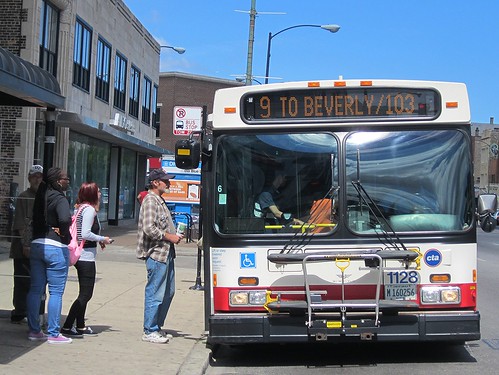
Cardenas dismissed that notion. “This is Chicago,” he scoffed. “Take these winters, for example. Who’s going to shop by the bus and take loads of stuff back to their house, which could be miles away?” Well, for starters, the people who’ll have an easier time shopping after BRT debuts include the one in four households within walking distance of Ashland that don’t even own a car. In Cardenas’s low-income South Side ward, which includes parts of Brighton Park, McKinley Park, Little Village, and Back of the Yards, it’s likely that an even larger percentage of constituents shop by transit.
Several times during the discussion, Cardenas complained about the cost of the project. Skosey explained that the CTA is likely to be awarded a grant from the Federal Transportation Administration’s Small Starts program, which funds rail and bus improvements, that would cover 80 percent of the tab. The 20 percent local match could be met through the CTA’s purchase of buses for the system through its existing fleet budget. Since the buses will have doors on both sides, they’ll work for both center-running and curbside operation, so they can be used on other routes as well.
Cardenas didn’t seem to hear Skosey’s explanation. “Based on what’s in front of me, I couldn’t possibly vote yes and go back to my constituents and tell them they’re going to have to pay more out of the city coffers,” the alderman concluded at the end of the show.
It’s not yet clear whether implementing Ashland BRT will, in fact, need approval from City Council, although city funding for the $32 million local match may require a vote. At any rate, the likelihood of the project happening will be much greater if constituents let misinformed naysayers like Cardenas know that they support the plan to nearly double bus speeds on Ashland rather than maintain the car-bound status quo. If you haven’t already done so, send a message to your alderman asking them to endorse the CTA’s plan.

Read More:
Streetsblog has migrated to a new comment system. New commenters can register directly in the comments section of any article. Returning commenters: your previous comments and display name have been preserved, but you'll need to reclaim your account by clicking "Forgot your password?" on the sign-in form, entering your email, and following the verification link to set a new password — this is required because passwords could not be carried over during the migration. For questions, contact tips@streetsblog.org.