


Lindsay Bayley
Top Categories
Too Much Parking Makes Neighborhoods Less Equitable, but eTOD Can Help
While excessive parking can jack up housing costs, affordable TOD can reduce transportation expenses for low-income and working-class residents.

March 8, 2019
Idea from Shared Use Mobilty Conference: Charge For Access to the Curb
Tech can help cities deal with the onslaught of demand for vehicles to get to the curb.
March 20, 2018
Wicker Park Planner and Mom to Alderman Hopkins: No More Bike Crackdowns
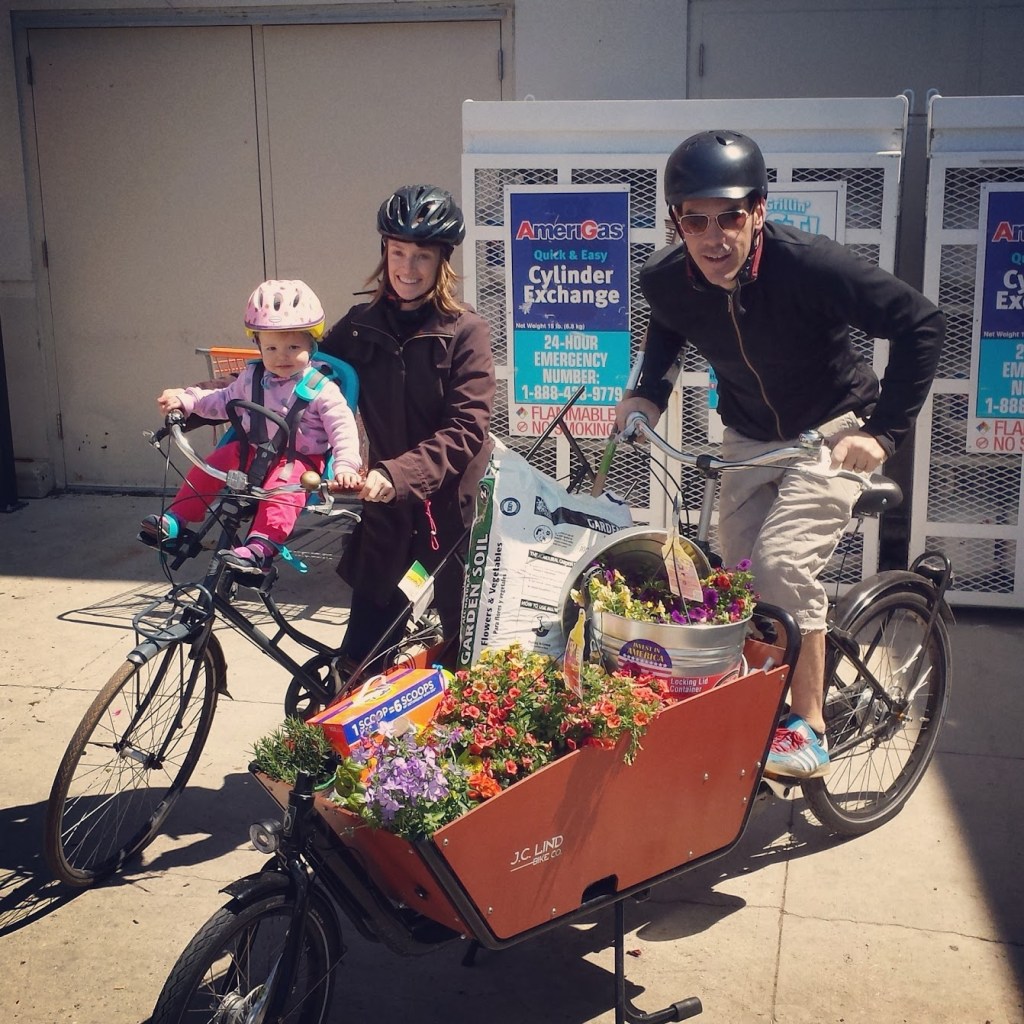
In response to the Hopkins-ordered bike sting and other ward transportation and planning issues, local urban planner and mother Lindsay Bayley sent an open letter to the alderman this week.
February 3, 2017
Wicker Park Counts Up Better Ways to Use Its 11,650 Parking Spaces
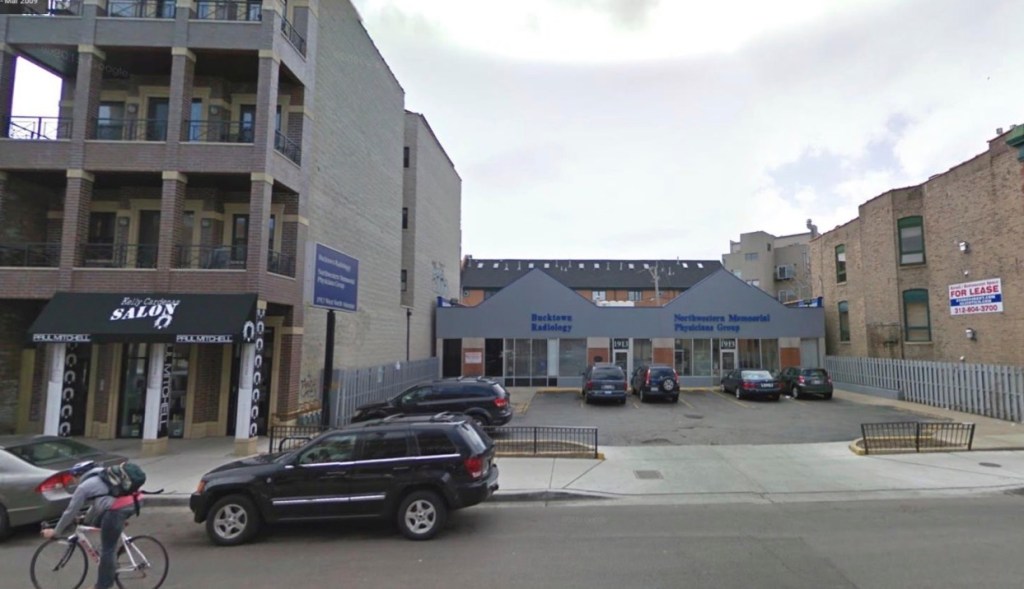
Every Saturday night at dusk, the main streets in Wicker Park and Bucktown seize up. The stalled lines of cars don't just infuriate drivers -- they also stall buses, block crosswalks, and push cyclists into the dangerous door zone. These crowds don't descend out of nowhere to watch the sunset, or to pile into shows at the Double Door. No, this dangerous mess stems in large part from poorly managed public parking.
July 2, 2014
ThinkBike Challenges Chicagoans to Think Beyond Bike Lanes
Last Thursday, Dutch "mobility advisor" Sjors van Duren stood by the Lakefront Trail, pointed to the block of Monroe Street between Columbus and Lake Shore Drive, and asked, "What is the function of this street?" The answer, it was agreed, is to distribute automobiles between the Loop and Lake Shore Drive. Van Duren works for the Arnhem Nijmegen City Region in the Netherlands, and he was brought to Chicago last week by the Dutch Cycling Embassy (a public/private program that aims to export Dutch cycling policies) to lead a group of local advocates, planners, engineers, and neighbors to find a way to make Monroe Street better for cycling between the Loop and Lakefront Trail.
October 2, 2013
Sun-Times Editorial Writer Gets BRT, Even If Its Transpo Reporter Doesn’t
After running a not-as-terrible-as-expected piece on Ashland BRT earlier this week, Sun-Times transportation reporter Rosalind Rossi regressed with her write-up of Tuesday night's info session hosted by the Chicago Grand Neighbors Association, titled “Backers of Ashland bus rapid transit plan object to left-turn ban.” First of all, Streetsblog contributor Lindsay Bayley tells me that she was the only BRT advocate at the meeting who even brought up the possibility of allowing some additional left turns by motorists, so “backers” is inaccurate. Secondly, Bayley says she was simply suggesting the city consider adding a signal phase at some intersections where drivers in the right lane would be permitted to make a left while the center-running buses have a red, although this would slow the buses.
September 19, 2013
Ashland Bus Rapid Transit NIMBYs Try to Win Over Aldermen
The BRT NIMBYs are at it again. In January, the Ashland-Western Coalition, a consortium of chambers of commerce and community development groups on the Near West Side, hosted a public meeting where business owners panicked that the CTA’s plan to build bus rapid transit on Ashland would ruin them. Earlier this month the coalition announced an anemic alternative proposal to robust, center-running BRT service, which they euphemistically dubbed Modern Express Bus service, although this would only keep bus riders and drivers alike stuck in the same old traffic jams.
June 27, 2013
To Make Cycling Accessible, Milwaukee Needs Continuous Protection
The Chicago Department of Transportation is proposing to build a protected bike lane on Milwaukee Avenue in River West, connecting the protected bike lane on Elston Avenue with the protected bike lane on Kinzie Avenue. This project could help many more Chicagoans feel safe enough to bike on city streets, but as we reported earlier this week, the local alderman and some businesses on Milwaukee are uneasy about trading parking spaces for a fully protected bikeway, and CDOT is considering alternating between protected and buffered bike lanes. The businesses shouldn't worry about the redesign: With better parking management and a fully-protected bike lane, Milwaukee will be accessible to more people and customers than it is today.
March 7, 2013