


CNT
Top Categories
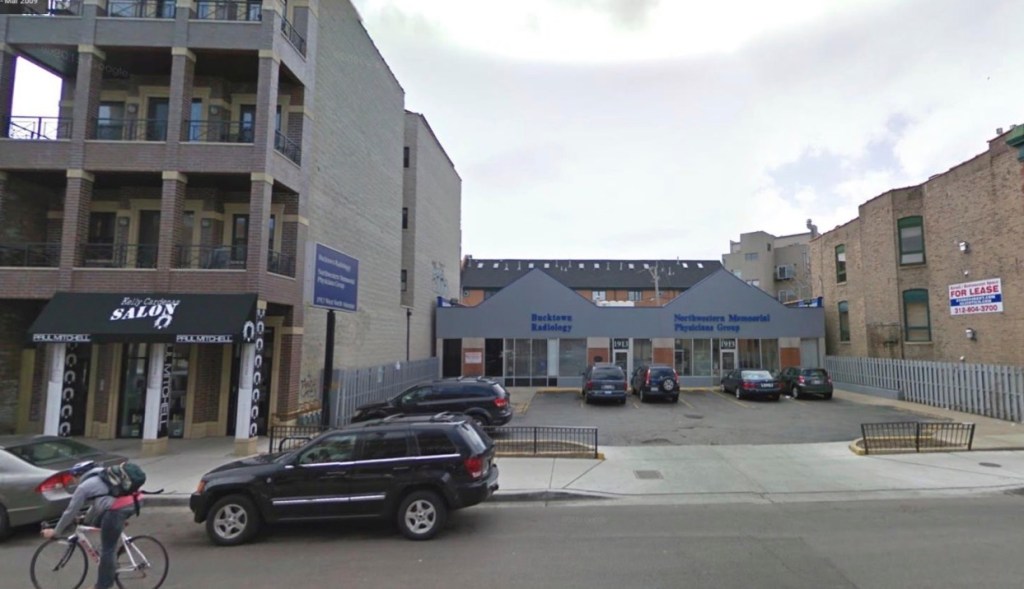
Too Much Parking Makes Neighborhoods Less Equitable, but eTOD Can Help
While excessive parking can jack up housing costs, affordable TOD can reduce transportation expenses for low-income and working-class residents.

March 8, 2019
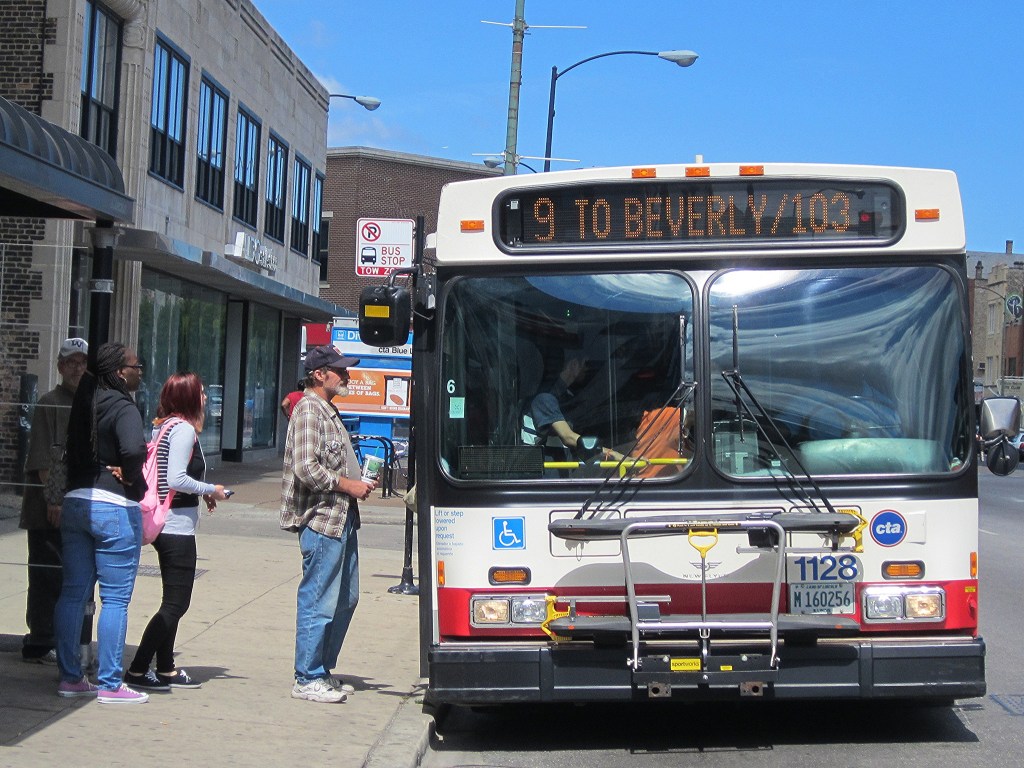
Since CTA Is Raising Fares, It Should Improve Service and Make Payment More Equitable
Faster buses, more affordable housing and useful retail near stations, fare capping and other strategies could prevent ridership from falling further.
November 27, 2017
Advocates: End of Illinois’ Budget Crisis Could Be the Start of Better Transportation Policy
Representatives of Active Trans, MCP, and CNT discuss what the good news will mean for sustainable transportation in the Chicago region and the state.
July 5, 2017
App Will Route People, Especially Wheelchair Users, Around Sidewalk Issues
Local computer programmer Steve Luker is creating to create a new app to identify and eliminate all the major bumps, cracks, and missing curb ramps on sidewalks, as well as missing sidewalks, in the Chicago area. While these flaws are an annoyance for everyone, they can be significant barriers for people with disabilities. This issue is personal for Luker, who has cerebral palsy and uses an electric wheelchair to get around. He lives in the northwest suburbs and takes transit to various offices around the region, so sidewalk issues make it more difficult for him to access job sites.
June 10, 2016
Policies and Politics, Not TODs, Are to Blame for Affordable Housing Crunch
Yesterday the Tribune's Mary Wisniewski further explored a topic Streetsblog's John Greenfield covered two weeks ago for the Reader. Virtually all of Chicago's new transit-oriented development projects are upscale buildings in affluent or gentrifying neighborhoods. TOD advocates argue that adding housing in these communities will take pressure off the rental market. But some Logan Square residents say soon-to-open TOD towers in the neighborhood will encourage other landlords to jack up rents.
May 3, 2016
CNT’s “AllTransit” Tool Can Help Legislators Understand Transit Needs
A new tool shows just how much advantage residents in some Illinois cities might have over others accessing jobs with low-cost transit, and just how much difference state legislators could make if they chose to fund more transit. AllTransit, an analysis tool from the Center for Neighborhood Technology and TransitCenter (a Streetsblog Chicago funder), shows information about access to transit that residents and job seekers have in any part of the United States, using data about transit service, demographic information, and job locations.
April 19, 2016
CTA Reports Huge Ridership Gains on Blue Line, Losses on South Side
New ridership numbers for the Chicago Transit Authority's 'L' stations show some interesting changes over the past 17 years. The increases in ridership at some stations have been obvious, but the decreases at other stations are a little surprising.
March 29, 2016
CNT: Funding Not Spent According to Community Plans Has Less Impact
The Center for Neighborhood Technology, a local community planning think tank, said that municipalities and public agencies are failing to follow their own plans. They're investing public funds for the region in economic development and transportation projects in undeveloped areas or away from train stations.
December 4, 2015
Dense Thinking: CNT Staffers Discuss the TOD Reform Ordinance
[This piece also appears in Checkerboard City, John's column in Newcity magazine, which hits the streets on Wednesday evenings.]
August 24, 2015
Three Transit Campaigns: Do They Compete or Complement Each Other?
As the Chicago region grows in population, we're going to need to provide efficient and affordable transportation options in order to compete in the global economy, and that's going to require more and better transit. People who live near transit pay less in transportation costs as a portion of their household income, and have better access to jobs, compared to those who don't. GO TO 2040, the region's comprehensive plan, calls for doubling 2010 transit ridership levels by the year 2040 as a means to support population growth and reduce carbon emissions.
April 23, 2015