


RTA
Top Categories
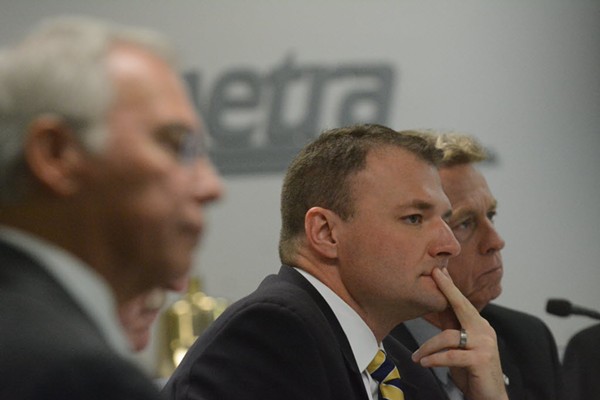
Why the Regional Transit Boards Skew White and Male, and Why That Matters
The board members' decisions may not always reflect the needs of commuters.

August 8, 2018
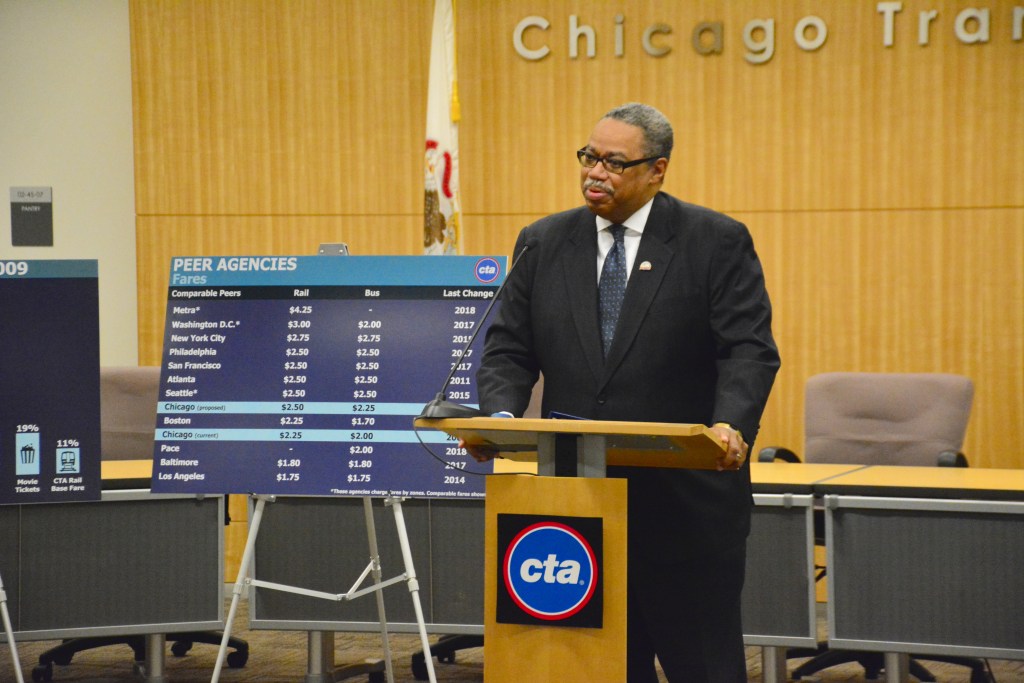
CTA’s Proposed Budget Includes 25-Cent Fare Hike, No Cuts to Service Hours, Frequency
The 2018 budget raises the fare for bus rides from $2 to $2.25, and the price of ‘L’ trips from $2.25 to $2.50.
November 22, 2017
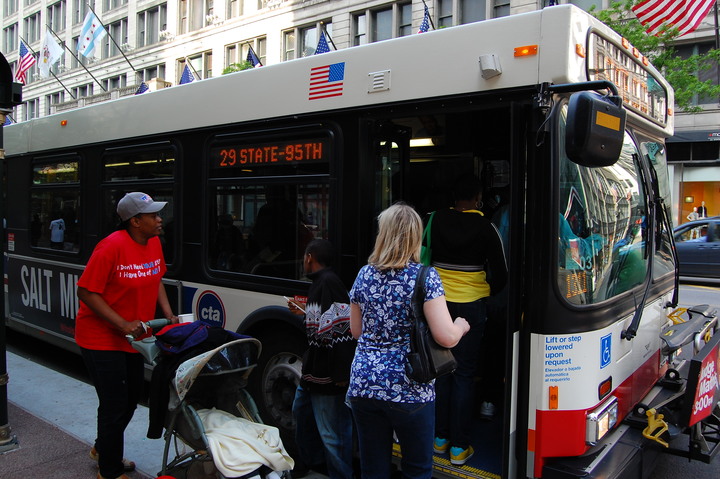
Upgrades to These Six Bus Routes Would Improve Transit Citywide
The Active Transportation Alliance proposed infrastructure upgrades for six specific routes across Chicago.
November 17, 2017
Chicago Transit Needs an Upgrade: 5 Universal Features of European City Transit
This isn't a wish list. These are five standard features of most bus networks in Europe.
January 23, 2017

Is $2 Billion Red Line Extension Best Way to Provide Transit in Far South Side?
The Chicago Transit Authority released a major study today, the next step in the developing project to extend the Red Line southward from the 95th Street terminal to 130th Street in the Altgeld Gardens neighborhood. The Environmental Impact Study is required by the federal government before the CTA can ask for funding from the U.S. Department of Transportation.
October 6, 2016
RTA: Pace and Metra Operate Efficiently But Collect Little Rider Revenue
The Regional Transportation Authority's newest report, issued last week, compares the Chicago Transit Authority, Metra, and Pace, to their respective peers around the country. The report found that the CTA is efficient, relative to rapid transit systems in Atlanta, New York City, Philadelphia, Boston, and Washington, D.C.
March 21, 2016
RTA Report: CTA Runs an Efficient Transit System Compared to Peer Agencies
This week, rapid transit headaches in Washington, D.C. and the Bay Area highlighted the need for better maintenance of U.S. public transportation infrastructure. However, a new report from Chicagoland's Regional Transportation Authority suggests that the CTA is in a little better shape than its peers.
March 18, 2016
Three Transit Campaigns: Do They Compete or Complement Each Other?
As the Chicago region grows in population, we're going to need to provide efficient and affordable transportation options in order to compete in the global economy, and that's going to require more and better transit. People who live near transit pay less in transportation costs as a portion of their household income, and have better access to jobs, compared to those who don't. GO TO 2040, the region's comprehensive plan, calls for doubling 2010 transit ridership levels by the year 2040 as a means to support population growth and reduce carbon emissions.
April 23, 2015
No Surprise: International Report Says Region’s Transit Not Up to Par
Last month, a report from the Organization for Economic Cooperation and Development validated what Chicago researchers, a task force convened by the governor, and millions of customers have all said for years: Transit in Chicagoland is fragmented, inefficient, and far from adequate to serve the region's transportation needs. The OECD, a "club of rich countries" that counts the United States among its 34 members, collects data and publishes research that countries and local organizations can use to understand their economies.
October 6, 2014
Metra Says It Already Welcomes Ventra (No, Not Really)
Even though Metra never plans to accept Ventra transit cards for payment aboard its trains, the commuter railroad now claims that it has accepted Ventra all along – and thus already fulfilled a state mandate to adopt Ventra by 2015. Metra spokesperson Michael Gillis told Streetsblog that "we can already accept" Ventra cards, but only in the most obtuse possible sense: as a MasterCard debit card, presented in person to a cashier.
September 25, 2014